Wondershare EdrawMind
MindMap Gallery Project Plan for Implementation of an Automated Investment Portfolio Management System
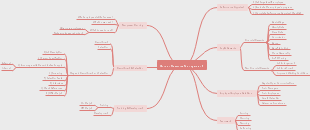
Project Plan for Implementation of an Automated Investment Portfolio Management System
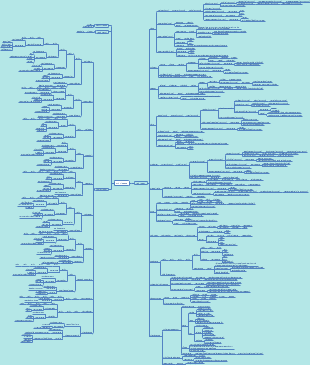
An automated investment portfolio management system, also known as a robo-advisor, is a digital platform that uses algorithms and computer algorithms to automatically manage and optimize investment portfolios. These systems typically use a combination of technology and financial expertise to provide personalized investment advice and manage portfolios based on individual goals, risk tolerance, and time horizon.
Edited at 2023-10-13 14:08:15
- my productivity
This mind map comprehensively analyzes the process of problem-solving and optimization. From problem identification to solution implementation, each step is meticulously organized. It first guides on recognizing various problems; then, it discusses targeted solutions; finally, it emphasizes the importance of optimization and assessment. This map is a powerful tool for solving problems and improving efficiency.
- Predictive Analytics with Machine Learning Models
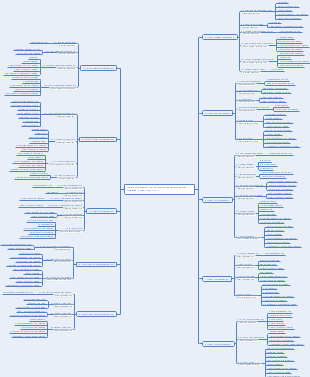
Predictive analysis is a technique that uses data and statistical methods to predict future events or trends. Through machine learning models, predictive analysis can utilize historical data and algorithms to identify patterns and trends, and predict future results. Machine learning models can make more accurate and reliable predictions by learning and automatically recognizing patterns from a large amount of data. This technology is widely used in various fields, such as finance, healthcare, marketing, etc. Through predictive analysis, enterprises can better understand customer needs, market trends, and risks, thereby making wiser decisions. Predictive analysis has become an important component of modern business intelligence, helping to improve the competitiveness and profitability of enterprises. This is a mind map about predictive analytics with machine learning models. The map contains 8 main branches, namely: Introduction, Machine learning models for predictive analysis, Data preparation for predictive analysis, Conclusion, Limitations and challenges, Deployment and utilization of predictive models, Evaluation and validation of predictive models, and Training machine learning models. Each main branch has a detailed description of its sub branches. Suitable for people interested in predictive analytics with machine learning models.
- Project Plan for Implementation of an Automated Investment Portfolio Management System
An automated investment portfolio management system, also known as a robo-advisor, is a digital platform that uses algorithms and computer algorithms to automatically manage and optimize investment portfolios. These systems typically use a combination of technology and financial expertise to provide personalized investment advice and manage portfolios based on individual goals, risk tolerance, and time horizon.
Project Plan for Implementation of an Automated Investment Portfolio Management System
- my productivity
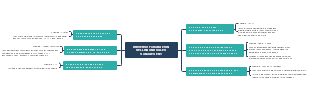
This mind map comprehensively analyzes the process of problem-solving and optimization. From problem identification to solution implementation, each step is meticulously organized. It first guides on recognizing various problems; then, it discusses targeted solutions; finally, it emphasizes the importance of optimization and assessment. This map is a powerful tool for solving problems and improving efficiency.
- Predictive Analytics with Machine Learning Models
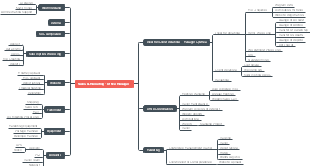
Predictive analysis is a technique that uses data and statistical methods to predict future events or trends. Through machine learning models, predictive analysis can utilize historical data and algorithms to identify patterns and trends, and predict future results. Machine learning models can make more accurate and reliable predictions by learning and automatically recognizing patterns from a large amount of data. This technology is widely used in various fields, such as finance, healthcare, marketing, etc. Through predictive analysis, enterprises can better understand customer needs, market trends, and risks, thereby making wiser decisions. Predictive analysis has become an important component of modern business intelligence, helping to improve the competitiveness and profitability of enterprises. This is a mind map about predictive analytics with machine learning models. The map contains 8 main branches, namely: Introduction, Machine learning models for predictive analysis, Data preparation for predictive analysis, Conclusion, Limitations and challenges, Deployment and utilization of predictive models, Evaluation and validation of predictive models, and Training machine learning models. Each main branch has a detailed description of its sub branches. Suitable for people interested in predictive analytics with machine learning models.
- Project Plan for Implementation of an Automated Investment Portfolio Management System
An automated investment portfolio management system, also known as a robo-advisor, is a digital platform that uses algorithms and computer algorithms to automatically manage and optimize investment portfolios. These systems typically use a combination of technology and financial expertise to provide personalized investment advice and manage portfolios based on individual goals, risk tolerance, and time horizon.
- Recommended to you
- Outline