 Wondershare EdrawMind
MindMap Gallery Carte mentale des outils des méthodes de gestion (grande collection)
- 20
Carte mentale des outils des méthodes de gestion (grande collection)
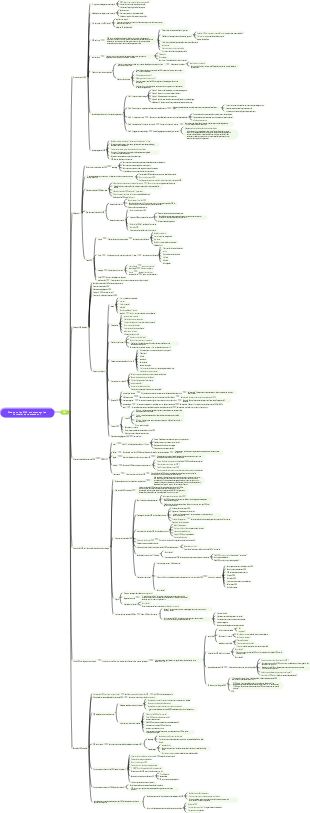
La pensée systématique utilise des ressources pour créer des profits, neuf outils pour définir des mécanismes, la gestion des objectifs, la gestion des processus, l'évaluation quantitative des objectifs, la gestion doit suivre le processus, huit cœurs de gestion des opérations et des documents de gestion du système.
Edited at 2023-12-07 11:12:16
Carte mentale des outils des méthodes de gestion (grande collection)
- Recommended to you
- Outline
Formation en leadership - Conseils de gestion d'équipe - Méthodes pratiques pour résoudre divers problèmes de gestion
- 10
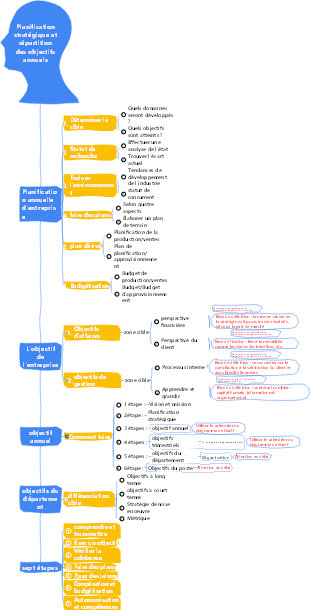
2-Gestion d'entreprise-02 Planification stratégique et répartition des objectifs annuels-015
- 13
Carte mentale des outils des méthodes de gestion (grande collection)
Réflexion systématique et utilisation des ressources pour créer des profits (méthodes de gestion, outils)
Gestion de la production
一、 Règles générales de fonctionnement de la gestion de la production
Équilibrer les flux de production, d’approvisionnement et de commercialisation et réduire l’arriéré de ressources humaines, financières et matérielles
Les règles globales de fonctionnement sont à prendre en compte : date de livraison, séquencement, quantité, amélioration
Règles de livraison
Revue de livraison
Déterminer la date d'achèvement du traitement des goulots d'étranglement des ordres de travail lancés
Déterminer le calendrier de livraison en fonction du calendrier des goulots d'étranglement et de la mise en mémoire tampon des goulots d'étranglement pour garantir que les ordres de travail sont livrés à temps
Examinez les dates de livraison des commandes en fonction de la planification des goulots d'étranglement et des délais d'expédition pour éviter de promettre arbitrairement des dates de livraison.
Revue complète
Assurez-vous que les matériaux, les instructions de processus, les outils, etc. requis pour exécuter le bon de travail sont disponibles avant que le bon de travail ne soit passé.
Règles de tri
Ordre d'exécution
Temps tampon de placement de matériaux® (ajuster la séquence d'exécution dans l'ordre rouge, jaune et vert)® (point d'étranglement, point de rassemblement, point d'expédition)
règle de quantité
Le traitement par lots
Production de masse
Production synchrone de petits lots (gain de temps)
améliorer les règles
Ajuster la mise en mémoire tampon
Ajustez dynamiquement le temps tampon en fonction du nombre de commandes rouges et de rappels "Correction"
Raccourcir le délai de livraison
Déterminer la priorité des améliorations en fonction du nombre de raisons de ticket rouge « Amélioration »
二、 Conseils pour travailler en équipe et atteindre rapidement les objectifs
Goulots d’étranglement et contraintes
goulot
La ressource a la capacité de production la plus faible et est incapable de répondre à la demande du marché pendant une période de temps donnée.
limiter
S’il n’est pas géré avec soin, il ne sera pas en mesure de faire face efficacement aux facteurs qui provoquent des goulots d’étranglement et épuisent leur capacité.
Contraintes matières premières
En raison de la pénurie temporaire de matières premières, elle n'est pas en mesure de faire face efficacement aux goulots d'étranglement et épuise sa capacité de production.
Contraintes de capacité
En raison d'une capacité de protection insuffisante, elle ne peut pas coopérer efficacement avec les goulots d'étranglement pour épuiser sa capacité de production.
Contraintes politiques
En raison des limites politiques, elle est incapable de faire face efficacement aux goulots d’étranglement et d’épuiser sa capacité de production.
mesurer les contraintes
En raison des limites de mesure, il ne peut pas se coordonner efficacement avec les goulots d'étranglement pour épuiser sa capacité de production.
Vitesse de conformité
Lorsque toute l'équipe suit le « Plan de planification des goulots d'étranglement » et l'exécute simultanément, l'équipe atteint l'objectif le plus rapidement.
三、 tampon
Gestion résiliente et mesures de protection pour faire face à l’incertitude
Aux points de contrôle critiques, allouez des tampons sous forme de temps, d’inventaire, de capacité, d’espace ou d’argent pour protéger le système des interruptions causées par l’incertitude.
Modèle de piste d'atterrissage
tampon de goulot d'étranglement
Pour garantir que le goulot d'étranglement fonctionne efficacement, un certain nombre d'ensembles de travaux sont détenus avant le goulot d'étranglement.
espace tampon
Pour éviter de bloquer les opérations de goulot d'étranglement, configurez une certaine quantité d'espace libre derrière le goulot d'étranglement.
classification tampon
tampon de temps
Faire face à l’incertitude créée par les fluctuations temporelles. Tels que : tampon de production, tampon de projet
Tampon de type de quantité
Faire face à l’incertitude liée aux fluctuations des quantités. Tels que : tampon de stock, tampon budgétaire
Tampon de ressources
Faire face à l’incertitude créée par la rareté des ressources. Tels que : tampon d’espace, tampon de capacité
tampon psychologique
Faire face à l'incertitude générée par l'anxiété psychologique. Tels que : tampon de file d’attente, tampon de collecte
四、 planification
« Algorithme de planification » basé sur un tampon
objectif de la planification
Planifier le plan d'exécution de la synchronisation des ressources
Paramètres d’alerte précoce pour faire face à l’incertitude
point de départ
Temps global (temps de traitement effectif, temps de préparation, temps d'attente, temps de sécurité)
Tampon de temps (zone d'action Safety Zone® Buffer Zone®)
fin
五、 Correction
Mécanisme de correction pour améliorer la fiabilité du système
Ajuster dynamiquement le tampon : un mécanisme correctif qui répond de manière flexible à l'incertitude
Processus de correction
planification
Programmer selon le « tampon de temps initial »
mettre en œuvre
Exécuter de manière synchrone dans l'ordre "rouge, jaune et vert"
Correction
Comptez le nombre de commandes rouges en pourcentage du total des commandes (les commandes rouges représentent > 15 %, augmentez le tampon de temps ; les commandes rouges représentent < 5 %, réduisez le tampon de temps)
retour
Ajustez le tampon temporel, réinjectez-le à la phase de planification et répétez le cycle
六、 mettre en œuvre
Contrôle de processus basé sur des tampons
Surveiller les fluctuations d’exécution
Utiliser des tampons : absorber les fluctuations, filtrer l’incertitude, lancer une intervention
Ordre d'exécution synchrone
Les ordres rouges sont exécutés en premier, les ordres jaunes sont exécutés en second et les ordres verts sont exécutés en dernier.
七、 Amélioration continue
L'amélioration continue est un mécanisme à long terme pour améliorer la stabilité du système
PDCA : Vérifiez la cause du problème et comptez la fréquence de nombreux problèmes pour déterminer la priorité d’amélioration
八、 Gestion de la capacité
Gestion des capacités pour le flux de produits (capacité) ou le flux de travail (département)
Gestion de la capacité basée sur la capacité goulet d'étranglement ou le département goulot d'étranglement
Capacité disponible
Sur la base de la capacité de goulot d'étranglement du système, il détermine le rendement effectif de l'ensemble du système.
Protéger la capacité de production
Protégez les goulots d’étranglement des pannes pour protéger le débit du système
capacité de réserve
Capacité qui dépasse la capacité protégée et peut être utilisée pour produire et vendre des produits gratuits
Capacité réservée en cas de goulet d’étranglement
Utilisé pour répondre à certaines commandes spéciales, telles que : les commandes premium pour une livraison rapide
Capacité de charge prévue = capacité de goulot d'étranglement - capacité réservée de goulot d'étranglement
Capacité de charge normale prévue
Utilisé pour organiser les commandes régulières
九、 Contrôle de qualité
Grâce à l'amélioration de la qualité et au contrôle des processus, toutes les activités de gestion garantissent que les différences de qualité des produits et des services sont minimisées et que les performances sont équilibrées et stables, tout en garantissant une réponse rapide aux besoins des clients et des délais de livraison fiables.
Réaliser des améliorations pertinentes en matière de qualité, de processus et d'activité
Gestion de la qualité ð Améliorer la qualité Améliorer les processus Améliorer les affaires ð Avantage concurrentiel sur le marché (plus, plus rapidement, mieux, économies)
十、 Plan de production basé sur les commandes
Méthodes de production pour faire face aux goulots d'étranglement internes et aux goulots d'étranglement du marché
Dans un environnement où le temps de production est inférieur au temps de tolérance du client, la production du produit et la fourniture du service ne démarrent qu'après que le client a passé une commande.
Les ressources internes constituent le goulot d'étranglement (selon le goulot d'étranglement interne de la production, livraison prévue) :
Bottleneck Scheduling® Bottleneck Buffer (Shipping Buffer)® Production Scheduling® Engagement Livraison
Les ressources externes sont le goulot d'étranglement (en fonction du goulot d'étranglement de la charge des ressources externes, la date de livraison est fixe) :
Engagement de livraison ® Tampon de production ® Planification de la production ® Surveillance de la capacité de production pour contrôler la charge des ressources
Production basée sur les commandes : générez des ordres de travail de réapprovisionnement en fonction des délais et des commandes des clients.
Solutions de production basées sur les commandes
module de planification
Clarifier le « taux de livraison précis » comme principal indicateur de mesure
Définir un délai pour guider la livraison ordonnée des bons de travail
module d'exécution
Trier par mise à jour de l'état du tampon lors de l'exécution des ordres de travail
Surveiller la disponibilité des matières premières et des composants critiques
Surveiller, identifier et gérer les ressources à capacité limitée
Mettre en œuvre la production simultanée de petites commandes par lots pour réduire les délais de livraison
Améliorer le module
Prendre des mesures correctives sur les bons de travail en fonction de l'état du tampon
Vérifiez les raisons et les quantités du ticket rouge pour une amélioration continue
十一、 Disponibilité des solutions de production
Méthode de production combinant stratégie marketing et stratégie de production
Un modèle d'approvisionnement qui combine une stratégie marketing avec une stratégie de production qui garantit une disponibilité immédiate des produits dans un environnement où les délais de production dépassent les tolérances des clients.
Inventory buffering® Génère des ordres de travail de réapprovisionnement en fonction de la consommation réelle de produits finis inventaire buffering® Production scheduling® Surveille les contraintes de capacité et les conditions de charge des ressources
tampon de stock
Coffre-fort (vert)
Alerte précoce (jaune)
consommation de tampon
Expédition (rouge)
état du tampon
Production basée sur les stocks : Déterminez la quantité de réapprovisionnement en fonction de la demande prévue du marché.
Disponibilité des solutions de production
module de planification
1. Clarifier la « disponibilité » comme principal indicateur de mesure
2. Générer des ordres de travail en fonction de la consommation réelle des tampons d'inventaire
module d'exécution
1. Trier par mise à jour de l'état du tampon lors de l'exécution des ordres de travail
2. Surveiller la disponibilité de toutes les matières premières et composants
3. Surveiller, identifier et gérer les ressources à capacité limitée
4. Mettre en œuvre une production simultanée en petits lots pour réduire les délais de livraison
Améliorer le module
1. Prendre des mesures correctives sur les bons de travail en fonction de l'état du tampon
2. Vérifier la raison et la quantité des commandes rouges (statut d'expédition) pour une amélioration continue
gestion de la chaîne d'approvisionnement
一、 Règles générales de fonctionnement de la gestion de la chaîne d'approvisionnement
1. En utilisant l'effet d'agrégation des fluctuations de la demande pour absorber les fluctuations de l'offre et de la demande, la création d'entrepôts d'usine ou d'entrepôts centraux peut absorber les fluctuations de la demande et de l'offre avec un stock minimal.
2. Tirez fréquemment le réapprovisionnement vers l'amont en fonction de la consommation réelle en aval de la chaîne d'approvisionnement et évitez de pousser les stocks vers l'aval de la chaîne d'approvisionnement en fonction des prévisions de la demande du marché.
3. Pour les ordres de travail de production ou les bons de commande, l'ordre d'exécution des ordres de travail ou des commandes est organisé en fonction de l'état du tampon de stock en aval de la chaîne d'approvisionnement.
二、 Réapprovisionnement synchrone
Mécanisme de réapprovisionnement synchrone axé sur la demande (le côté distribution, le côté entrepôt central et le côté production réapprovisionnent les marchandises de manière synchrone en fonction de la quantité vendue)
Principales fonctions de la mise en mémoire tampon des stocks
absorber les fluctuations de l’offre et de la demande
Raccourcir le délai de livraison
Générer une commande de réapprovisionnement
Formule de calcul du tampon de stock
Valeur de la zone verte = utilisation quotidienne moyenne * délai de livraison * facteur délai de livraison
Valeur de la zone jaune = utilisation quotidienne moyenne * date de livraison
Valeur de la zone rouge = valeur de base de la zone rouge valeur de sécurité de la zone rouge
Valeur de base de la zone rouge = utilisation quotidienne moyenne * délai de livraison * facteur délai de livraison
Valeur de sécurité de la zone rouge = valeur de base de la zone rouge * facteur de fluctuation
Tampon d'inventaire = valeur de la zone verte valeur de la zone jaune valeur de la zone rouge
Quantité de réapprovisionnement = quantité en stock - quantité en stock disponible
Les principales raisons de l'ajustement dynamique des réserves de stocks
Modifications de l'utilisation quotidienne moyenne
Modifications de la date de livraison
Modifications des facteurs de délai de livraison
Modifications des facteurs de volatilité
changements dans les facteurs saisonniers
Activités promotionnelles réalisées
Lancement de produit, radiation, transition
Modifications temporaires dans les achats, la production, la distribution
三、 points d'inventaire stratégiques
Accélérer la mise sur le marché de la chaîne d'approvisionnement
Grâce à l'analyse stratégique et à la sélection des points de stock, la mise en place de tampons de stock pour les matières premières, les travaux en cours et les produits finis peut contribuer à réduire les fluctuations et à accélérer la réponse aux commandes du marché.
四、 tampon de stock
Réduire les fluctuations de l’offre et de la demande et garantir que les produits sont immédiatement disponibles
Afin de faire face aux fluctuations de l'offre et de la demande causées par l'incertitude, une certaine quantité de stocks est conservée à des points clés de l'ensemble de la chaîne d'approvisionnement.
Tampon d'inventaire de poudre de matière première
Réduisez les délais d’approvisionnement et assurez la livraison à temps des matériaux
Tampon d'inventaire d'introduction des travaux en cours
Réduisez le temps de production et assurez une livraison à temps
Tampon d'inventaire de produits finis d'entrepôt de microbilles
Réduisez les délais de livraison et assurez une livraison à temps
五、 modèle d'approvisionnement
Les modèles d'approvisionnement varient en fonction des fluctuations de la demande et de la gestion des stocks.
Fourniture sur commande
Le délai de production étant plus court que le délai de commande, la production ne démarre qu’après que le client a passé la commande.
Caractéristiques de vente : les ventes de produits fluctuent par intermittence
Fonctionnalités de gestion des stocks : pas d'inventaire
Exécuter dans l'ordre de l'état du tampon temporel (rouge, jaune, vert)
Approvisionnement en stocks
Un modèle d'approvisionnement qui produit et réserve des produits à l'avance en fonction des quantités de demande prévues et attend que les clients les achètent.
Caractéristiques de vente : les ventes de produits fluctuent continuellement
Caractéristiques de la gestion des stocks : des hauts et des bas
Faites attention aux coûts des stocks et ignorez le temps de réapprovisionnement. Le niveau des stocks est relativement élevé et sujet aux pénuries et aux excédents.
Disponibilité
En fonction de la quantité réelle des ventes, des commandes de réapprovisionnement sont générées pour piloter la production de produits et le modèle d'approvisionnement en réapprovisionnement.
Caractéristiques de vente : les ventes de produits fluctuent continuellement
Fonctionnalités de gestion des stocks : petites hausses et baisses, réapprovisionnement continu des stocks
Faites attention à la rotation des stocks et réduisez le temps de réapprovisionnement. Le niveau des stocks est relativement faible et les produits sont disponibles immédiatement.
Exécuter dans l'ordre de l'état du tampon d'inventaire (rouge, jaune, vert)
Approvisionnement hybride (environnement mixte d'approvisionnement basé sur les commandes et d'approvisionnement selon la disponibilité)
L’offre sur commande domine et l’offre disponible représente moins d’un tiers de la demande totale.
La disponibilité domine et l’offre sur commande représente moins d’un tiers de la demande totale.
Disponibilité Renard mâle disponible sur commande, rare
六、 Distribution
Avoir le bon inventaire au bon moment et au bon endroit
Les fluctuations de la demande ont un effet d'agrégation et les fluctuations de la demande de l'usine principale sont inférieures à celles des usines secondaires.
Selon l'effet d'agrégation des fluctuations de la demande, davantage de stocks sont détenus en amont, là où la fluctuation est plus faible, et moins de stocks sont détenus en aval, là où la fluctuation est plus importante.
Distribution radiale
Ajouter un entrepôt central entre l'usine de production et les entrepôts régionaux
distribution multicentrique
distribution hybride
七、 Gestion intégrée de la chaîne d'approvisionnement
1. Déterminer les points d'inventaire stratégiques
Analyser les matières premières clés, les travaux en cours et les produits finis pour déterminer les points d'inventaire correspondants
2. Configuration du tampon d'inventaire
Configurer l'inventaire à des points d'inventaire stratégiques en fonction de paramètres tels que le délai de livraison et les fluctuations de la demande.
3. Ajustements du tampon de stock
Ajustez dynamiquement la valeur du tampon de stock en fonction des changements dans les modèles de demande renvoyés par la gestion du tampon
4. Favoriser le réapprovisionnement selon la demande
Effectuer le réapprovisionnement depuis l'amont en fonction de la consommation tampon de matières premières, de travaux en cours et de produits finis
5. Exécution de la synchronisation visuelle
Fournit des informations visuelles partagées telles que l'état du tampon, et les conseils ne peuvent être exécutés que par les départements.
八、 Surveiller les niveaux de stocks
Comment identifier les changements dans la demande du marché et ajuster dynamiquement les niveaux de stocks
Définir la mémoire tampon d'inventaire initiale
Mettre en place un mécanisme d'avertissement d'inventaire
Augmenter la réserve de stock
Réduire la marge de stock
九、 Optimiser l'inventaire
Comment filtrer les produits en stock et optimiser la structure des stocks
rotation des stocks
Best-seller
Articles populaires
Produits à vente lente
Retour sur investissement
produits à haut rendement
Des produits bénéficiant de
produits à faible rendement
Tirez le meilleur parti de l’argent et de l’espace
Focus sur le retour sur investissement, complété par le taux de rotation des stocks, pour sélectionner les produits
Pour les produits les plus vendus à faible rendement, demandez-vous si vous pouvez augmenter vos bénéfices en augmentant les prix.
Lors de l'élimination de produits, les raisons stratégiques de leur conservation doivent être prises en compte, telles que : les produits de support
Méthode d'amélioration TLS
一、 Avantages du mode TLS
Développer un ensemble d’indicateurs de performance
Motiver les collaborateurs à agir efficacement
Former un mécanisme d’amélioration
Bloquez des opportunités d’amélioration efficaces
Développer un ensemble de méthodes d’amélioration
Livrer rapidement des produits et des services
Avantages du mode TLS
Maigre
Réduisez sept types de déchets
surproduction
attendez
action
surtraitement
produits non qualifiés
en stock
transport
Théorie des contraintes intégrées (TOC)
Fournir une direction globale d’optimisation
Prendre des décisions précises en fonction des contraintes
Six Sigma
Réduire les variations et les biais
Contrôler les écarts et maintenir la stabilité
二、 Processus d'amélioration TLS
1. Identifier les contraintes actuelles
2. Tirer le meilleur parti des contraintes
3. Éliminer les sources de déchets
4. Variation du processus de contrôle
5. Coordonner avec les contraintes
6. Supprimer les contraintes
7. Identifier les contraintes ultérieures
三、 Méthodes et boîtes à outils d'amélioration TLS
一、 Le modèle KANO pour comprendre les besoins des clients
exigences incontournables
Besoins souhaitables
Une demande plus que prévue
二、 Carte de contrôle des processus VATI
Points de contrôle clés du processus : points de libération, goulots d'étranglement, points de convergence, points de divergence et points de livraison des matériaux et des travaux
Le flux de produits et de services peut être résumé en quatre types
Processus en forme de V
Processus de type A
Processus en forme de T
Processus de type I
三、 Diagramme en forme de U pour élaborer des plans d'amélioration des performances
Écart de performance (niveau de performance cible - niveau de performance actuel)
contraintes de temps
Contraintes de capacité
contraintes du marché
Processus de diagramme U d'amélioration des performances
1. faible niveau de performance actuel
2. analyse des écarts de performance
3. Identifier les problèmes fondamentaux
4. Déterminer la direction de l’amélioration
5. Construire la solution
6. Analyse de l'amélioration des performances
7. Viser des niveaux de performance élevés
四、 Organigramme de décision sur la valeur et les déchets
Tâches d'activité
nécessaire à la sortie
avoir
Contribuer aux clients
Tâches d'activité pour les clients à valeur ajoutée
Oui
Exécuter le plus rapidement possible et livrer à temps
aucun
aucun
Contribuer à l'entreprise
avoir
Activités et tâches commerciales à valeur ajoutée
Pour des besoins temporaires, essayez de simplifier, réduire, prévenir et éliminer
aucun
Tâches d'activités sans valeur ajoutée
Des déchets purs, complètement éliminés
五、 Amélioration des indicateurs d'heures de travail WCE
Efficacité du cycle de travail (WCE) = heures d'activité client à valeur ajoutée¸Durée totale du cycle
La durée totale du cycle comprend
Temps d'activité des clients à valeur ajoutée
Temps d’activité commerciale à valeur ajoutée
Temps d'activité sans valeur ajoutée
Aucun temps d'attente actif
Orientations pour améliorer les horaires de travail
Réduisez le temps d'activité des services à valeur ajoutée, réduisez le temps des activités sans valeur ajoutée et réduisez le temps d'attente sans activités.
六、 Outil de diagnostic pour améliorer la productivité OEE (Overall Equipment Effectiveness)
Efficacité globale de l'équipement = indice de temps ´ indice de vitesse ´ indice de qualité
Indice de temps = durée de fonctionnement effective¸ durée de travail prévue
Indice de vitesse = vitesse de fonctionnement réelle¸Vitesse de fonctionnement théorique
Indice de qualité = Quantité de sortie qualifiée¸ Quantité de sortie globale
七、 Schéma de configuration QFD pour améliorer la valeur client
Priorisation des besoins clients
exiger un classement compétitif
Classement de la qualité et de l'efficacité du service produit
Classement compétitif qualité et efficacité
La relation entre les besoins des clients et la qualité et l’efficacité
La relation entre qualité et efficacité
Valeur actuelle et valeur cible du poids de l'efficacité de la qualité
Attentes du client ® Efficacité de la qualité (répondre aux besoins du client) ® Caractéristiques de conception (répondre aux normes d'efficacité) ® Caractéristiques du processus (répondre aux normes de conception) ® Contrôle du processus (répondre aux normes de processus) ® Valeur client
八、 Indice de capabilité du procédé Cp et Cpk
indice de contrôle
Évaluer si la portée de contrôle des résultats du processus répond à la plage de spécifications requise par le client.
Plage de spécifications (exigences du client) = limite supérieure de spécification - limite inférieure de spécification
Plage de contrôle (exigences internes) = valeur limite de contrôle supérieure - valeur limite de contrôle inférieure
Indice de contrôle = Plage de spécifications¸Plage de contrôle
indice de biais
Évaluer l'écart de la plage de contrôle de la sortie du processus par rapport à la plage de spécifications requise par le client.
Valeur d'écart 1 = valeur limite supérieure de spécification - valeur moyenne de contrôle
Valeur d'écart 2 = valeur moyenne de contrôle - valeur limite inférieure spécifiée
Indice d'écart = valeur d'écart plus petite (la plus petite entre la valeur d'écart 1 et la valeur d'écart 2)¸3s
Lorsque les deux indices sont ≥1, cela signifie que le processus est contrôlable et que la capacité est suffisante. Lorsque l'indice de contrôlabilité ≥ 1 et l'indice d'écart < 1, cela signifie que le processus est contrôlable et que la capacité est insuffisante. Lorsque l'indice de contrôlabilité est <1, cela signifie que le processus est incontrôlable et que la variation doit être réduite.
九、 Analyse des déficiences de gestion et de contrôle AMDEC
1. Diagramme en arête de poisson de cause à effet (résumant les causes)
problème de gaspillage ou problème de variation
personnel
méthode
machine
mesure
matériaux
environnement
2. Diagramme de dérivation logique (remontant à la cause première)
problème de gaspillage ou problème de variation
Pourquoi? ®Pourquoi ? ®Pourquoi ? ®Pourquoi ? ®Pourquoi ? (méthode 5pourquoi)
En partant de la cause première, effectuez une dérivation inverse étape par étape et vérifiez si la relation logique à chaque niveau est établie.
Cause première
3. Méthode de sélection des facteurs de vérification CNE (dépistage des causes profondes)
Constantes
Facteurs dont la performance peut être prédite et contrôlée
BruitBruit
Facteurs aléatoires complètement imprévisibles et incontrôlables
Facteurs d'authentification
À vérifier s’il s’agit d’un facteur contrôlable
4. Méthode de résolution des défauts par analyse FMEA (amélioration de la cause première)
Analyse et évaluation
1. Services produits, qualité et efficacité, étapes du processus
2. Manifestation du défaut
3. Conséquences des défauts
4. score de gravité des conséquences
5. cause première
6. Score de probabilité de cause
7. Mesures de prévention et de contrôle actuelles
8. Score de capacité de prévention et de contrôle
9. Niveau de risque = gravité ´ probabilité d’occurrence ´ capacités de prévention et de contrôle
Actions d'amélioration
1. Programme d'amélioration
2. Personne responsable et délai de réalisation
3. Passer à l'action
Mettre à jour les résultats
1. Mise à jour sur la gravité des conséquences
2. Mise à jour de la probabilité de cause
3. Mise à jour du score des capacités de prévention et de contrôle
4. Mise à jour du niveau de risque
十、 Conception expérimentale du DOE pour optimiser les causes profondes
十一、 Évaluer le biais de mesure MSA
L'écart réel des choses. L'écart du système de mesure = l'écart des résultats observés.
Biais du système de mesure
Résolution (unités/dimensions)
Résolution de mesure : fait référence à la plus petite unité d'échelle de l'outil de mesure (règle 10:1)
Résolution d'attribut : fait référence à la dimension de segmentation de la mesure des "données d'attribut"
Précision (écart de position)
déviation
relation linéaire
la stabilité
Il fait référence au degré d'écart de position entre la valeur observée et la valeur de référence.
Précision (écart de distribution)
Répétabilité
Reproductibilité
Il fait référence au degré d'écart de distribution entre les valeurs observées et les valeurs observées.
十二、 AT efficace pour la comptabilité des extrants
Analyser et piloter la performance de l'entreprise
Ne pas imputer de coûts fixes aux stocks peut éviter de faux bénéfices et induire en erreur les analyses de performances et les décisions commerciales.
Retour sur investissement
bénéfice net
Dépenses de fonctionnement
débit
prix de vente
coûts variables directs
investir
en stock
immobilisations
États financiers (généraux)
bilan
état des flux de trésorerie
releve de revenue
Comptabilité de débit (TA)
débit
investir
Dépenses de fonctionnement
十三、 Système Poka Yoke
Efficacité des appareils Poka-Yoke
Pas besoin d'attention : pas d'erreur même si vous faites un oubli
Aucune expérience requise : les profanes peuvent le faire correctement
Aucune expertise requise : personne ne peut se tromper
Aucune inspection requise : faites les choses correctement du premier coup
Trois types d'appareils Poka-Yoke
Contacter les dispositifs anti-erreurs (par exemple, écrans multicouches)
Dispositif poka-yoke à valeur fixe (rectangle, cercle, carré)
Dispositif anti-erreur de type étape (carte de flux de produits)
Six idées pour prévenir les erreurs
Éliminez la possibilité d’erreurs en repensant votre produit ou processus
Adopter des processus plus fiables pour améliorer la stabilité de l’approvisionnement en produits et services
Réduisez la probabilité d’erreurs grâce à des usines de protection contre les erreurs pour les produits ou les processus
Facilitez le travail en simplifiant les techniques et en combinant les étapes
Identifiez les erreurs dans les processus précédents afin que les problèmes puissent être résolus rapidement
Minimiser au maximum les conséquences néfastes et l’impact des erreurs
十四、 Gestion de la demande pour une liquidité fluide
Efficacité de la gestion de la demande
Aide à faire correspondre les facteurs gagnant-gagnant et les capacités gagnant-gagnant
Aide à distinguer les exigences inefficaces des exigences utiles
Lisser les fluctuations de la demande, du calendrier et de l’offre
十五、 Opération standardisée SOP
Allouer et optimiser de manière raisonnable la combinaison du personnel, du travail, des ressources et d'autres éléments opérationnels pour former des processus, des étapes et des méthodes stables, reproductibles et performants.
Flux de travail®
Contraintes®
Allocation de ressources®
Bon de travail®
Procédures opérationnelles standard SOP®
Amélioration continue
十六、 DMAIC améliore la circulation
1. définition
Description du problème : pour expliquer quel problème doit être résolu
Éléments de qualité : pour définir clairement les limites du problème
Description de l'objectif : Déterminer les objectifs d'amélioration qui doivent être atteints. Les objectifs doivent être SMART.
2. mesure
Déterminer les métriques
Vérifier le système de mesure
Quantifier les améliorations de performances
3. analyser
Collecter des statistiques
Analyser les causes et les effets
Déterminer la cause première
4. améliorer
Des solutions idéales
Choisissez une solution
Vérifier la solution
5. contrôle
plan de contrôle du développement
Mettre en œuvre un plan de contrôle
pérenniser les progrès réalisés
十七、 Cycle de conception IDDOV
1. identifier
Recueillir des informations sur les clients
Déterminer les besoins des clients
Mise en place d'un projet de développement de la demande
2. définition
Quantifier les besoins des clients
Affiner les exigences clés
Déterminer les exigences de conception
3. développer
Les paramètres de conception
points de contrôle
Métrique
4. optimisation
Paramètres techniques
Paramètres de processus
Conception de tolérance
5. vérifier
Prototypes de conception de tests
Capacités du processus analytique
Établir un plan de contrôle
十八、 Modèle de gestion des processus SIPOC
Un cadre pour mesurer les capacités des processus et contrôler les variations des processus
1. fournisseur
2. entrer
3. processus
4. sortir
5. client
Dessiner des diagrammes de gestion de processus contrôlables
1. Identifier qui sont les clients internes ou externes impliqués
2. Déterminer les produits ou services à proposer pour satisfaire les clients
3. Identifier les activités du processus et déterminer la portée et les limites du processus
4. Déterminer le matériel, les informations et les ressources nécessaires au processus
5. Déterminer qui sont les fournisseurs de matériel, d’informations et de ressources
Coordination de la production, de l'approvisionnement et de la commercialisation
Neuf outils pour personnaliser les mécanismes
Organigramme d'évaluation des performances (huit étapes)
一、 Déterminer les objectifs de performance de l'entreprise
La stratégie de l’entreprise pour les 3 à 5 prochaines années
Le niveau actuel de l'entreprise
environnement de marché extérieur
Tendances de développement de l'industrie
二、 Décomposer les objectifs de l'entreprise en départements
Division des fonctions départementales
Règles de coopération départementale
Approbation de la direction de l'entreprise
三、 Décomposer les objectifs du département en postes
D'abord au groupe, puis au poste
Responsabilités professionnelles
四、 Présenter les objectifs de travail aux employés
Différentes capacités correspondent à différentes exigences en matière de résultats de travail.
Ceux qui en sont capables travaillent plus dur et ceux qui travaillent plus gagneront davantage.
Après l'attribution de l'objectif, les pondérations sont additionnées et révisées.
Communiquer la faisabilité des objectifs aux employés
Le KPI est la répartition des objectifs de travail
五、 Extraire les indicateurs d’évaluation
Extraire les indicateurs clés, c'est-à-dire les actions clés pour atteindre l'objectif
Analyser les réalisations clés nécessaires pour atteindre l'objectif
Lors de l’extraction des indicateurs, ne vous inquiétez pas de savoir s’ils couvrent 80 %, tant qu’ils reflètent les objectifs de travail.
Les indicateurs de performance sont divisés en priorités et associés aux pondérations correspondantes.
六、 Préciser la période d'évaluation
Une évaluation sans limite de temps n’a aucun sens
Les cycles d'évaluation sont séparés, ce qui non seulement est conforme aux caractéristiques des indicateurs, mais permet également d'économiser de l'énergie.
Principes SMART du système d’évaluation des performances
七、 Mettre en place un système d'évaluation
C'est-à-dire la norme de comptabilité
Définir clairement les normes d’achèvement à tous les niveaux
八、 Établir des normes de récompense et de punition
Les objectifs de performance comportent des récompenses et des pénalités claires, et les primes sont distribuées de manière raisonnable et fondée sur des preuves.
Clarifier la relation entre points et bonus
Un design simple et clair est le plus approprié, un design complexe ne convient pas
Trois images, trois tableaux, deux livres et un design
Biais de haut niveau
capacités stratégiques (objectifs)
La capacité à définir des mécanismes
Biais de niveau intermédiaire
Capacités de gestion (programmes)
Exécution de la formation
Biais populaire
Capacité d'exécution (méthode)
Capacité à obtenir des résultats
Trois photos
tableau de planification des objectifs stratégiques
Objectifs de performance, objectifs de coûts, objectifs de marché, objectifs de talents, objectifs de produits, objectifs de système
Organigramme
Droits, responsabilités, avantages, compétences
Tableau des canaux de promotion
Classement, lotissement, etc.
Directeur d'atelier
Excellent directeur d'atelier
Directeur d'atelier ordinaire
Directeur d'atelier par intérim
chef d'équipe
Excellent chef d'équipe
Chef d'équipe ordinaire
Chef d'équipe par intérim
personnel
Excellent personnel
État-major
Employés stagiaires
Trois tableaux
fiche d'analyse de poste
8 heures de travail à pleine charge pour réduire la perte de temps
Formulaire d'évaluation de performance
Obligé de grandir et de changer les habitudes de travail des employés
Promotion et rétrogradation
Considérez les gains et les pertes, l’avancement et le retrait
deux livres
Instructions de présentation des talents seniors
Lettre de responsabilité cible des employés
Un modèle
Conception des salaires
6 principes : Donner de l'argent, donner du pouvoir, donner des responsabilités, être compétitif, récompenser les bons et punir les mauvais, motiver les salariés à prévenir les risques
L'ensemble du processus : Objectifs (étayés par des données) ® Structure organisationnelle (objectifs répartis en départements et en employés) ® Analyse de poste (pour les postes) ® Évaluation des performances (pour les individus) ® Conception des salaires ® Promotion ® Formation (autonomisation, incitations positives et négatives). incitations) )® Licenciement Recrutement
Descriptif « Salaire »
Salaire (matériel, argent)
salaire
Terminez votre travail
prime
pour atteindre les objectifs
performance(performance)
récompense (spirituelle, sentiment)
honneur
Discipliné
promotion
Bon caractère et valeurs
comportement (effet)
Conception des dividendes
Finances et comptabilité
Conception des actions
Financement, cotation
Objectifs d'usine, gestion des processus système
gestion de la chaîne d'approvisionnement
Cible
Taux de livraison (nombre de lots retardés)
rotation des stocks
Des stocks en berne
cycle de réapprovisionnement
liste noire
Précision d'inventaire
Processus institutionnel
Trois méthodes de production sont utilisées
Cinq principes de planification de la production
Dix étapes pour améliorer le taux de cycle des stocks
Six étapes pour gérer les stocks morts
Huit façons d'améliorer la précision des stocks
Gestion complète des lots, des lots et des bons de travail
Gestion de la production
Cible
Efficacité de production UPPH
Effet de zone
efficacité
Efficacité globale de l'équipement
Temps de changement de ligne
Processus institutionnel
Dix étapes pour améliorer l’efficacité de la production
Huit étapes pour améliorer la qualité
Focus sur cinq étapes
Six étapes pour un changement de ligne rapide
Sept principes de gestion sur site
Liste d'inspection de référence de la ligne de production
gestion des ventes
Cible
précision des prévisions de ventes
Créances en souffrance
bénéfice brut à valeur ajoutée
Part de commande
Prévisions glissantes futures
Taux de croissance du prix unitaire moyen
Processus institutionnel
Gestion de la clientèle
Les plaintes des clients
Positionnement sur le marché
étude de marché
Recherche et développement de nouveaux produits
Prix du produit
Direction financière
Cible
Sept coûts majeurs des usines
Coût variable du matériel (coût du matériel)
Coût fixe de la main-d'œuvre (coût de la main-d'œuvre)
Honoraires (coût de fabrication) coût fixe
Gestion (frais administratifs) frais fixes
Ventes (coût des ventes) coût fixe
Frais fixes de recherche (coûts R&D)
Coûts financiers (coûts financiers) fixes
Comment gagner de l'argent et comment augmenter ses profits
méthodes d'analyse commerciale
Bénéfice brut à valeur ajoutée/montant des stocks
Bénéfice brut à valeur ajoutée/coûts d'exploitation
cycle de conversion en espèces
Processus institutionnel
Contrôle budgétaire et analyse commerciale
Structure salariale et indicateurs de processus
Stratégie produit et stratégie de prix
Formation des talents et optimisation des processus
Améliorer les règles et améliorer les processus
théorie de l'intégration verticale
Calcul de capacité
Cible
Calculer le nombre de lignes de demande/nombre d'unités d'équipement
Calculer le nombre de personnes nécessaires
Processus institutionnel
Calculer la production horaire requise
Table de production standard UPPH
Calculer le nombre de lignes de production nécessaires
Tableau de configuration standard des effectifs pour chaque ligne
Calculer le nombre de personnel requis
Comparaison du nombre réel et requis de personnes
Rapport mensuel et amélioration continue
Ventes et bénéfices
Valeur de production mensuelle par habitant
Cycle de production
Jours d'inventaire
Taux de livraison précis et taux de réussite de la qualité
Projets d'amélioration et d'innovation technologique
plan de carrière
Gérant/Gérant adjoint
gestion de la chaîne d'approvisionnement
Taux de stock/livraison
Directeur/Directeur d'usine
Gestion de la production et de la qualité
Production/Qualité
Directeur général/Vice-président
Gestion du directeur général
Finances/Ventes/Ressources humaines
travail quotidien
Rapports réguliers
Rapport à mi-chemin
Apportez trois plans pour demander des instructions
Communication entre pairs
Audacieux et proactif
Quantification des objectifs de production (gestion des cibles)
rapport de travail
situation de base
Le contenu principal du rapport de travail est un aperçu et une description de la situation de travail réelle.
Leçons apprises
L’expérience et les leçons peuvent souvent être résumées dans le travail réel, ce qui revêt une grande importance pour les travaux futurs.
Réalisations et lacunes
Les réalisations et les lacunes sont au cœur du reporting. Le but du reporting est d’affirmer les réalisations et d’identifier les lacunes.
Plans futurs
Lorsque vous rédigez un rapport de travail, vous devez tirer les leçons de l'expérience et des leçons tirées de la période de travail précédente, indiquer l'orientation des efforts futurs et proposer des mesures d'amélioration en fonction des tâches et des exigences de travail futures.
Évaluation quantitative des objectifs de gestion de la production
Valeur de production/ventes
La production de produits atteint des tonnes
qualité
Le taux de qualification qualité atteint %
Taux de reprise %
Taux de retour client %
La date de livraison
Taux de livraison précis %
coût
Les coûts de production sont contrôlés dans les limites du budget, économisant % ou dépassant %
Production sûre
Organisation saine, système parfait, inspection de sécurité, formation à la sécurité, contrôle et reporting des accidents de sécurité
Évaluation quantitative des objectifs de production
Éléments de production
Taux de réalisation des tâches de production
Nombre réel de corps verts frittés dans le four/Nombre de corps verts théoriquement cuits dans le four*100 %
Rendement de production
Rendement vert
Big Ball examine les données de la section de formage et de criblage
La petite boule regarde les données de la section de sélection
Sortie de billettes cuites
La quantité de billette cuite filtrée en stockage
ventes
Ventes du mois
Solde de l’inventaire des travaux en cours
Bilan des matières premières
Bilan total des travaux en cours verts
Solde de plomb
Solde des matières retournées
Nombre total de soldes d'en-cours cuits
Productivité
Valeur de production mensuelle par habitant
Effet de zone
efficacité
Projet Qualité de Production
Taux de produits qualifiés
Taux de rebut des produits
Taux de reprise
Éléments du calendrier de production
Taux de réalisation des livraisons
Nombre de retards de lots
Nombre de lots reportés
éléments de coût de production
Taux de réduction de la consommation énergétique unitaire
Taux de réduction du coût unitaire des produits
Projet de sécurité de production
Nombre d'incidents de sécurité
Taux de réalisation du plan de formation sécurité
Projet d'équipement de production
Taux d’intégrité des équipements
Nombre de stations de maintenance des équipements/nombre total d'équipements*100 %
Utilisation de l'équipement
Projets de processus de production
Taux d'achèvement dans les délais des tests de processus
Progression du processus et description des résultats
Nombre de R&D procédés
La gestion consiste à suivre le processus (gestion des processus)
Conception des processus de gestion des opérations d'entreprise et normes de travail
Processus de conception
Que l'exécution soit visible sur la carte et discernable depuis le chemin
exécuter le programme
Qu'il y ait des étapes à suivre et des points clés à saisir lorsque l'on marche tout droit
Norme de travail
Que l’exécution ait une base à laquelle se référer et une échelle à mesurer.
Indicateurs d'évaluation
Laissez l'exécution avoir des résultats à tester et des bénéfices à calculer
Spécifications d'exécution
Cependant, il existe des systèmes à suivre pour la mise en œuvre et des plans disponibles
La gestion consiste à suivre le processus
organigramme
nœud de processus
Service responsable ou personne responsable
Informations et formulaires associés
Description du flux
nœud de processus
Nom du nœud de processus
Personne ou service responsable
Description de l'emploi
Comprendre le processus
Processus de production
Optimiser le processus
Standardiser le processus
Processus d'inspection
Contrôler le processus
Processus de mise en œuvre
Huit cœurs de gestion des opérations (gestion des opérations)
1. gestion des flux d'informations
La base de la gestion des opérations et la construction d'un système de gestion des flux d'informations
2. gestion par objectifs
Combiner les objectifs de processus avec les objectifs de résultat
Combiner les objectifs à court terme avec les objectifs à moyen et long terme
Bien réussir dans le présent est ce que les entreprises attendent le plus avec impatience
3. Surveillance dynamique
4. Aide à la décision
facteurs environnementaux externes
Facteurs de gestion opérationnelle interne
5. Construction du système
6. la gestion des processus
7. Gestion des évaluations
8. contrôle des risques
Documents système (gestion du système)
Fichiers système
manuel
fichiers de programme
Organigramme de la procédure
Mode d'emploi
Procédures opérationnelles, spécifications opérationnelles, systèmes de gestion, réglementations
formulaire
Formulaires, formulaires, enregistrements, grands livres, listes