心智圖資源庫 Occupational Therapy for Children——儿童职业治疗全解析
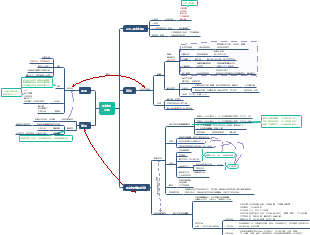
本思维导图使用EdrawMax绘制,全面解析儿童职业治疗。涵盖治疗定义、治疗师服务对象、评估内容(儿童环境、需求、表现技能等)、干预目标(如增强肌肉控制、感觉整合等)和所用技巧(运动控制、感觉整合、神经发育治疗等多种技术),还提及标准化评估的作用。清晰呈现儿童职业治疗的完整体系与关键要点。
編輯於2022-04-05 12:36:33This mind map aims to delve into the profound and often overlooked therapeutic bond between pets and people. It will explore the multifaceted benefits of pet ownership. By mapping out these interconnected aspects, this mind map seeks to provide a comprehensive understanding of the therapeutic value that pets bring to people's lives.
本思维导图使用EdrawMax绘制,全面解析儿童职业治疗。涵盖治疗定义、治疗师服务对象、评估内容(儿童环境、需求、表现技能等)、干预目标(如增强肌肉控制、感觉整合等)和所用技巧(运动控制、感觉整合、神经发育治疗等多种技术),还提及标准化评估的作用。清晰呈现儿童职业治疗的完整体系与关键要点。
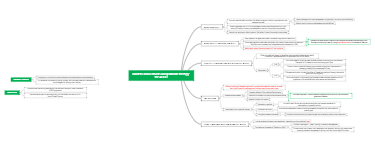
这张由EdrawMax绘制的思维导图,是关于ADHD(多动症)职业治疗的知识指南。涵盖ADHD的定义与影响人群,职业治疗的定义及主要目标——使环境适应个体。阐述了职业治疗对ADHD患者的作用,包括相关实验及结果。还介绍了治疗技巧,如考虑患者特定挑战、可采用的模型和三个治疗层次等,以及ADHD的其他治疗方式,如行为治疗和药物治疗。
This mind map aims to delve into the profound and often overlooked therapeutic bond between pets and people. It will explore the multifaceted benefits of pet ownership. By mapping out these interconnected aspects, this mind map seeks to provide a comprehensive understanding of the therapeutic value that pets bring to people's lives.
本思维导图使用EdrawMax绘制,全面解析儿童职业治疗。涵盖治疗定义、治疗师服务对象、评估内容(儿童环境、需求、表现技能等)、干预目标(如增强肌肉控制、感觉整合等)和所用技巧(运动控制、感觉整合、神经发育治疗等多种技术),还提及标准化评估的作用。清晰呈现儿童职业治疗的完整体系与关键要点。
这张由EdrawMax绘制的思维导图,是关于ADHD(多动症)职业治疗的知识指南。涵盖ADHD的定义与影响人群,职业治疗的定义及主要目标——使环境适应个体。阐述了职业治疗对ADHD患者的作用,包括相关实验及结果。还介绍了治疗技巧,如考虑患者特定挑战、可采用的模型和三个治疗层次等,以及ADHD的其他治疗方式,如行为治疗和药物治疗。
Occupational Therapy for Children
What is Occupational Therapy for Children ?
occupation for children: play, exploration of an environment, and social interaction
Play helps the child to learn new skills, improve social/family interaction and develop other functions
goal:making kids independent in each area of life
Where therapist provides their service?
special children’s having disorder
children having issues in daily life tasks and dependency on others.
Assessment
evaluates children and their environment
what the child wants and needs to do and identifying those factors
the direct observation of the child performing self-care, play, and school related activities
Evaluation of the child’s occupation
performance skills :gross motor skills, fine motor skills, process skills
performance patterns :habit, routine
performance context :cultural, physical, social
evaluate and observe some neuromotor functions
Standardized Assessments v.s.non-standardized
intervention
A child moves into and out of position fluidly and with ease, exploring their world, learning about their bodies and developing motor, cognitive, sensory and social skills.
goals
Goal setting
depend on each child's problem
they might be achievable and realistic
Example
cerebral palsy kids: manage muscle tone/improve coordination, balance, and hand function/improve communication/improve transition from one surface to othersIndependent seating, standing and walking/improve play/improve ADL tasks/improve handwriting skills/Potty training
Autism and ADHD kids: improve attention and seating tolerance/lessen sensory issues ( like tactile defensiveness)/improve social interaction/follow multiple commands
techniques
Motor Control
ability to regulate or direct the mechanisms essential to the movement
goals: Improve Abnormal muscle tone/Sensory dysfunction/Muscle weakness/Poor endurance
approaches:Sensory Integration/Neurodevelopmental therapy/Strength training/Perceptual motor training
decrease the underlying deficit improving performance and helping to improve postural control, balance, visual perception, and body awareness
Sensory integration
based on the senses and its adaptive integration to make it effective.
different sensory strategies (such as joint compression, blanket wrap, and slow rocking)
A variety of equipment (such as scooter board, and bolster swing) used
Neurodevelopmental therapy (NDT)
NDT is based on the normal development and movement
therapist develops a program which helps the child to avoid any abnormal patterns of movement because of abnormal muscle tone
different techniques:Weight-bearing over the affected side/trunk rotation/Facilitation of slow and controlled movements/Proper positioning/Incorporating the upper extremity into functional activity
hand skills
include reach, grasp, carry and voluntary release, in-hand manipulation, and bilateral hand use
OT provides visual motor integration it includes the interaction of visual skills, visual perceptual skills, and motor skills
therapy:Improvement in postural tone and control/muscle strength/isolated arm and hand movement/Use of splint and adaptive devices
Improve social participation
individual and group therapy program development, and consultation
Challenging behavior
Behavior management strategies
Role:prevent challenging behavior from occurring/supporting desired behavior/intervening when challenging behavior already exists
Prevention techniques(can be taught to parents/caretaker):Minimize aversive events/Providing an environment that promotes successful engagement/Support self-regulation
Support desired behavior:Meeting sensory needs/Building new skills/Positive reinforcement
Feeding Intervention
OT can help improving in sucking, drinking, biting, and chewing
Environmental adaptations, positioning adaptations, intervention for sensory problems, adaptive equipment, modification of food and liquid properties
Activities of daily living
OT train kids in toilet training, hygiene training, one to one training in dressing, assistive technology, and environmental modification
Play
OT uses play as a modality in intervention planning
Prewriting and handwriting skills
sitting posture/pencil gripping pattern/perception/visual motor integration/eye-hand coordination.
Standardized Assessments
depends upon the therapist’s general observation and child’s disability to prefer the specific tests
Purposes
assistance with medical/ educational diagnosis
documentation of developmental and functional status
planning of intervention programs