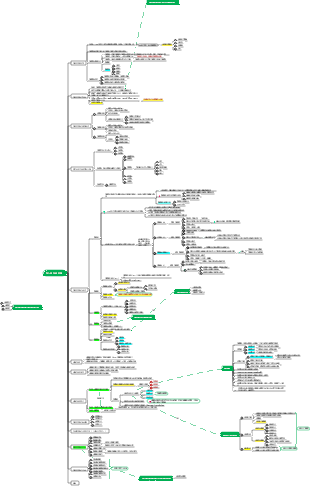
心智圖資源庫 《思考,快與慢》
《思考,快與慢》是一本值得一讀的心理學暢銷書。透過閱讀這本書,讀者可以了解人類思考的兩種模式,並意識到在快速思考模式下容易受到的偏見和錯誤。同時,讀者也可以學習如何應用緩慢思考模式,做出更深入理性的決策。
編輯於2024-11-21 16:09:31This template shows the structure and function of the reproductive system in the form of a mind map. It introduces the various components of the internal and external genitals, and sorts out the knowledge clearly to help you become familiar with the key points of knowledge.
This is a mind map about the interpretation and summary of the relationship field e-book, Main content: Overview of the essence interpretation and overview of the relationship field e-book. "Relationship field" refers to the complex interpersonal network in which an individual influences others through specific behaviors and attitudes.
This is a mind map about accounting books and accounting records. The main contents include: the focus of this chapter, reflecting the business results process of the enterprise, the loan and credit accounting method, and the original book of the person.
This template shows the structure and function of the reproductive system in the form of a mind map. It introduces the various components of the internal and external genitals, and sorts out the knowledge clearly to help you become familiar with the key points of knowledge.
This is a mind map about the interpretation and summary of the relationship field e-book, Main content: Overview of the essence interpretation and overview of the relationship field e-book. "Relationship field" refers to the complex interpersonal network in which an individual influences others through specific behaviors and attitudes.
This is a mind map about accounting books and accounting records. The main contents include: the focus of this chapter, reflecting the business results process of the enterprise, the loan and credit accounting method, and the original book of the person.
《思考,快與慢》
核心概念
系統 1 與系統 2
系統 1 特性:快速、自動、無意識、聯想式、情緒化,基於本能和經驗迅速做出反應,幾乎不消耗認知資源,例如看到一張憤怒的臉能立刻辨識出情緒。
系統 2 特性:慢速、受控、有意識、理性、分析式,需要集中註意力和付出努力,能夠進行複雜的計算、邏輯推理等任務,如解一道複雜的數學題。
相互關係:系統 1 持續運行,為系統 2 提供印象、直覺等資訊;系統 2 通常處於放鬆狀態,當系統 1 遇到難題或違背常理時被啟動。
認知偏差
啟發式判斷
代表性啟發式:根據事物與典型案例的相似程度判斷機率,忽略基礎比率,例如認為一個喜歡閱讀且文靜的人更可能是圖書館管理員而非銷售員,而忽略了銷售員群體數量遠大於圖書館管理員群體數量這一事實。
可得性啟發式:依據記憶中資訊的容易提取程度來評估事件發生的機率,例如近期頻繁看到飛機失事報道,會高估飛機失事的機率,而實際上其機率可能極低。
錨定效應:在做決策時,過度依賴最初獲得的資訊(錨),後續的判斷都會圍繞該錨點進行調整,如在談判中,先提出的價格往往會成為雙方討價還價的錨定點。
過度自信
表現形式:對自己的知識、判斷、預測能力等過度樂觀,高估成功機率,低估風險和失敗可能性,例如創業者過度相信自己的商業創意能成功,而忽略市場競爭等風險因素。
心理根源:自我認知偏誤、自身能力的不當評估、忽略外在環境的不確定性等。
框架效應
定義:對同一問題的不同表述方式(框架)會影響人們的決策,即使問題的本質相同,例如描述某種手術的成功率,說“手術後90% 的人能存活” 比“手術後10%的人會死亡” 更能讓人接受手術。
影響因素:語言表達、重點、情感色彩等。
決策與判斷
前景理論
核心觀點:人們在面對收益時傾向於風險厭惡,在面對損失時傾向於風險偏好;人們對損失的敏感度高於對收益的敏感度,例如在選擇確定獲得1000 元或有50% 機會獲得2000 元時,多數人會選擇確定收益;而在面臨確定損失1000 元或有50% 機會損失2000 元時,很多人會選擇冒險賭一把。
價值函數與權重函數:價值函數反映收益與損失對人的心理價值影響呈S 型,在損失區域較陡峭;權重函數則反映人們對不同機率事件的主觀權重並非與實際機率一致,對小機率事件可能高估,對大機率事件可能低估。
決策中的情感因素
情緒啟發式:情緒會影響對事件的認知和判斷,正向情緒可能導致更樂觀的評估,負向情緒則相反,如在心情好時更可能對投資項目做出樂觀預期。
情緒與認知資源:強烈的情緒可能佔用認知資源,幹擾系統 2 的理性分析,例如在憤怒時做出衝動的決策。
思維與記憶
聯想機制
聯想的形成:基於經驗、知識、感知等建立事物之間的聯繫,如看到火焰會聯想到熱度、危險等。
聯想對思考的影響:能快速提供資訊和啟發,但也可能導致認知偏誤和錯誤判斷,例如因對某個品牌的不良聯想而拒絕購買其產品。
記憶的特性
記憶的編碼與儲存:訊息透過感官進入大腦,在不同腦區進行編碼與存儲,分為短期記憶與長期記憶,例如記憶電話號碼時先在短期記憶中短暫停留,若反覆使用則可能進入長期記憶。
記憶的提取與重構:提取記憶時並非完全準確重現,而是根據線索和當前情境進行重構,可能出現記憶偏差和錯誤,如回憶事件時加入了自己的想像或受到他人影響而改變記憶內容。
應用與啟示
在生活中的應用
個人決策優化:意識到思考迷思,在做重要決策時主動啟動系統 2,進行理性分析,如購買大額商品時對比多家產品、分析利弊。
人際溝通策略:瞭解他人可能存在的認知偏差,避免因框架效應等產生溝通誤解,採取更恰當的表達方式,如在說服他人時選擇合適的表述框架。
在商業與經濟領域的應用
行銷策略:利用框架效應、錨定效應等設計產品宣傳和定價策略,如設定高價錨點後推出折扣產品,利用消費者的心理錯覺促進銷售。
投資決策分析:考慮投資者的過度自信、損失厭惡等心理因素對市場波動的影響,制定更合理的投資策略,例如分散投資以降低風險。