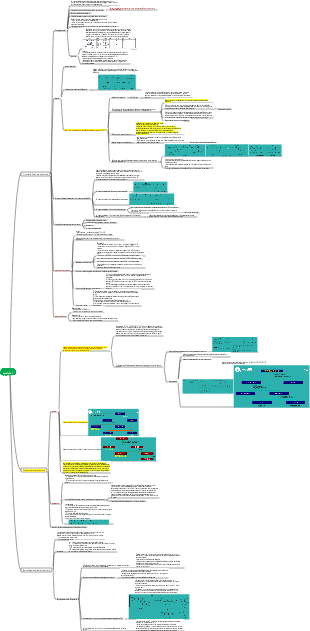
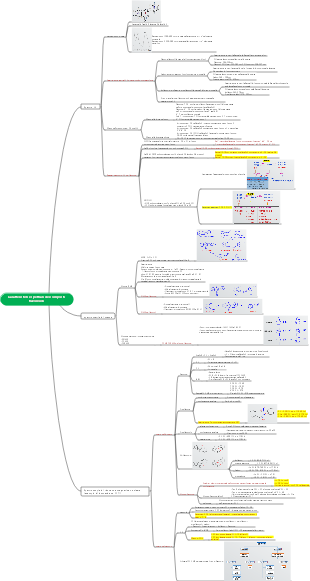
MindMap Gallery PMP-Chapter 4 - 32 Reasons to Implement a Holistic Change Control Program
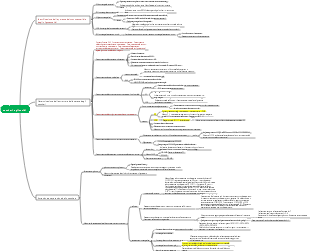
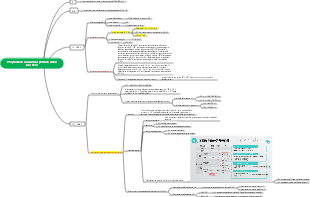
The project will face a lot of changes, mainly from 8 major aspects and 32 small points. This map comprehensively lists them.
This is a mind map about bacteria, and its main contents include: overview, morphology, types, structure, reproduction, distribution, application, and expansion. The summary is comprehensive and meticulous, suitable as review materials.
This is a mind map about plant asexual reproduction, and its main contents include: concept, spore reproduction, vegetative reproduction, tissue culture, and buds. The summary is comprehensive and meticulous, suitable as review materials.
This is a mind map about the reproductive development of animals, and its main contents include: insects, frogs, birds, sexual reproduction, and asexual reproduction. The summary is comprehensive and meticulous, suitable as review materials.
change control
1.Scope changes
1.1 Increase/decrease in demand from relevant parties
1.2 Scope changes due to technical reasons
1.3 (Customer) scope confirmation failed
2. Progress changes
2.1 Task delay
2.2 (Customer) changes the construction period
2.3 Supplier delays
2.4 Progress changes caused by technical reasons
2.5 Using progress reserve
3. Cost changes
3.1 Cost deviation
3.2 (Client) Change Budget
3.3 Cost changes caused by technical reasons
3.4 Changes in purchase price
3.5 Use cost reserves
4.Quality issues
4.1 Quality failed inspection
4.2 (Customer) changes in quality standards
4.3 Take corrections or defect remediation
4.4 Supplier quality issues
5. Risk issues
5.1 Unknown risks occur
5.2 Activate emergency plan
5.3 Start the rebound plan
5.4 Non-automatic changes
6. Resource issues
6.1 Changes in resource quantity
6.2 Resources are not available
6.3 Resources are not up to the task
7. Procurement issues
7.1 Changing suppliers
7.2 Modify the contract
7.3 Supplier fails to deliver as planned
7.4 Supplier resistance to changes
8. Relevant parties and communication
8.1 Add or exit relevant parties
8.2 Requests from relevant parties to influence the plan
8.3 Ineffective communication with relevant parties
8.4 Relevant parties have differences of opinion