MindMap Gallery ACT Preparation Core Strategy: The 8-Step Guide to Success
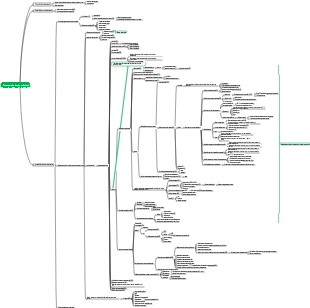
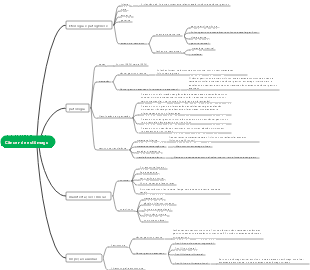
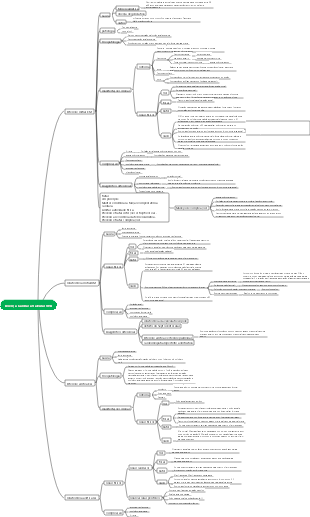
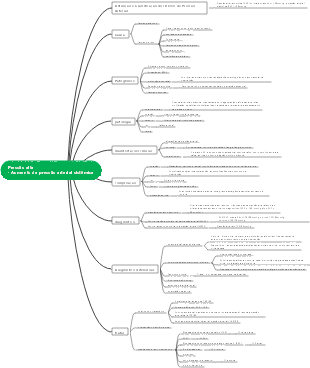
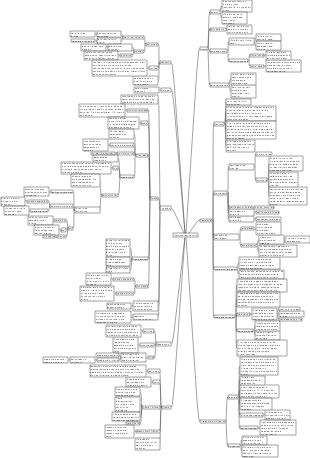
This mind map, created using EdrawMax, outlines a comprehensive 8-step core strategy for ACT preparation. It guides students through understanding the exam pattern, creating a study plan, taking diagnostic tests, section-wise preparation, setting realistic goals, creating a study schedule, practicing test-taking strategies, and preparing for the exam day. Each step is detailed with specific actions and tips to help students systematically approach their ACT preparation and achieve success.
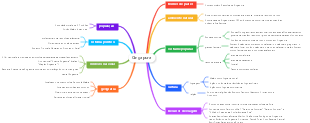
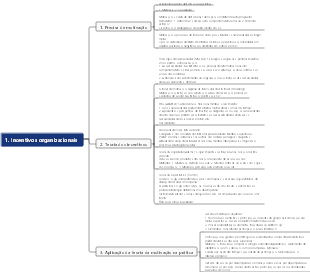
Edited at 2026-02-04 02:42:20This Product Launch Timeline is a streamlined and visually engaging template created using EdrawMax, designed to outline the key stages involved in launching a product. It features a horizontal timeline with distinct phases including Start-up, Market Research, Core Positioning, New Product Launch, and Data Review, each represented by an icon and accompanied by a timeframe. This template provides a clear roadmap for teams to follow, ensuring that each step in the product launch process is executed in a timely and organized manner, thereby enhancing the chances of a successful market entry.
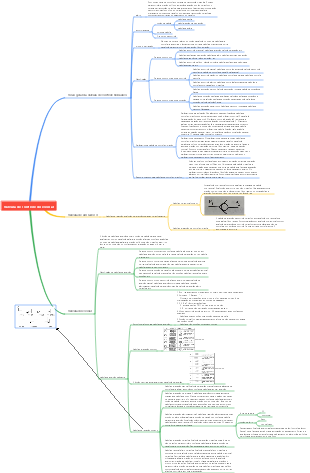
This Resource Allocation Impact Chart is a strategic and analytical template designed using EdrawMax to assess the relationship between the probability of resource allocation and its influence on project outcomes. It features a matrix with probability levels ranging from extremely low to very high on one axis and influence levels from low to high on the other. Each cell within the matrix is color-coded and numbered to indicate the frequency or impact of resource allocation scenarios, providing a clear visual representation to aid in decision-making and resource management strategies.
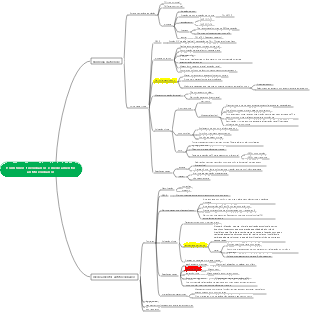
This Resource Allocation Chart is a comprehensive and visually structured template created using EdrawMax, designed to facilitate efficient planning and distribution of resources across various projects and tasks throughout the year. It features a timeline from January to December, with color-coded sections for different categories such as Process Optimization, Team Empowerment, and Data-driven initiatives. Each task is clearly outlined with its respective timeframe, enabling managers to allocate resources effectively, monitor progress, and ensure timely completion of objectives.
This Product Launch Timeline is a streamlined and visually engaging template created using EdrawMax, designed to outline the key stages involved in launching a product. It features a horizontal timeline with distinct phases including Start-up, Market Research, Core Positioning, New Product Launch, and Data Review, each represented by an icon and accompanied by a timeframe. This template provides a clear roadmap for teams to follow, ensuring that each step in the product launch process is executed in a timely and organized manner, thereby enhancing the chances of a successful market entry.
This Resource Allocation Impact Chart is a strategic and analytical template designed using EdrawMax to assess the relationship between the probability of resource allocation and its influence on project outcomes. It features a matrix with probability levels ranging from extremely low to very high on one axis and influence levels from low to high on the other. Each cell within the matrix is color-coded and numbered to indicate the frequency or impact of resource allocation scenarios, providing a clear visual representation to aid in decision-making and resource management strategies.
This Resource Allocation Chart is a comprehensive and visually structured template created using EdrawMax, designed to facilitate efficient planning and distribution of resources across various projects and tasks throughout the year. It features a timeline from January to December, with color-coded sections for different categories such as Process Optimization, Team Empowerment, and Data-driven initiatives. Each task is clearly outlined with its respective timeframe, enabling managers to allocate resources effectively, monitor progress, and ensure timely completion of objectives.
ACT Preparation Core Strategy: The 8-Step Guide to Success
Step 1
Understand the Exam Pattern & Prepare Yourself
Understand the Exam Structure and Content
Familiarize yourself with the sections (English, Math, Reading, Science), question types, and time constraints by researching past papers and official ACT resources.
Create a Study Plan and Schedule
Allocate dedicated time daily to review all sections, ensuring a balanced focus. Incorporate regular practice tests to track progress.
Step 2
Take a Diagnostic Test to Assess Your Skills
Attempt a Diagnostic/Mock Test
Begin your preparation by taking a test to understand the exam pattern and identify the topics and formats.
Analyze Performance and Utilize Tools
Identify your strong and weak areas. Use performance analysis tools, like those from EduRev, to get feedback on your strategies and refine your study plan.
Step 3
Section-Wise Preparation
ACT English Preparation
Focus on Usage/Mechanics (grammar, punctuation) and Rhetorical Skills (strategy, organization, style). Review common grammar rules and practice extensively, using answer choices as clues.
ACT Mathematics Preparation
Cover pre-algebra, elementary algebra, intermediate algebra, coordinate geometry, plane geometry, and trigonometry. Master number properties and use the "picking numbers" strategy to simplify problems (avoid 0 and 1).
ACT Reading Preparation
Practice with the four passage types: prose fiction, social science, humanities, natural science. Always read the passage first before answering the questions.
ACT Science Preparation
Prepare for data representation, conflicting viewpoints, and research summaries passages. Most questions are passage-based, but 3-4 require outside knowledge. Revise basic concepts in biology, chemistry, and physics.
ACT Writing Preparation
Practice planning and writing essays that evaluate multiple perspectives and present your own. Form opinions on current events by engaging in debates.
Step 4
Set a Target Score
Assess Your Starting Point
Use your diagnostic test score as a baseline.
Set a Realistic and Aligned Goal
Consider your preparation time and aim for a score within the middle 50% range of your target schools.
Step 5
Create a Study Schedule
Prioritize Consistency
Establish a consistent weekly study schedule instead of cramming.
Calculate Time and Share for Accountability
Calculate weekly study hours needed. Designate specific study times and share your schedule with someone to stay on track.
Step 6
Practice, Practice, & Practice
Diversify Your Practice
Engage with a wide variety of question formats to adapt to the exam's challenges.
Sharpen Skills and Identify Weaknesses
Use practice to improve problem-solving, familiarize yourself with the test, and accurately target areas for improvement.
Step 7
Master Test-Taking Strategies
General Strategies
Answer every question (no penalty for wrong answers), underline keywords, use the process of elimination, and save time to review answers.
Section-Specific Strategies
English: Know grammar rules; be cautious of "no change" answers.
Math: Memorize formulas; solve problems independently first.
Reading: Start with your strongest passage type; predict answers before looking at options.
Science: Save the "conflicting viewpoints" passage for last; rely heavily on the figures and charts.
Step 8
ACT Exam Day Plan
Prepare the Day Before
Pack all essentials (pencils, approved calculator) to avoid last-minute stress.
On Exam Day
Prioritize a full night's sleep and a nutritious breakfast. Adhere to your practiced test-taking strategies during the exam.
The 8-Step Guide to Success
ACT Preparation Core Strategy