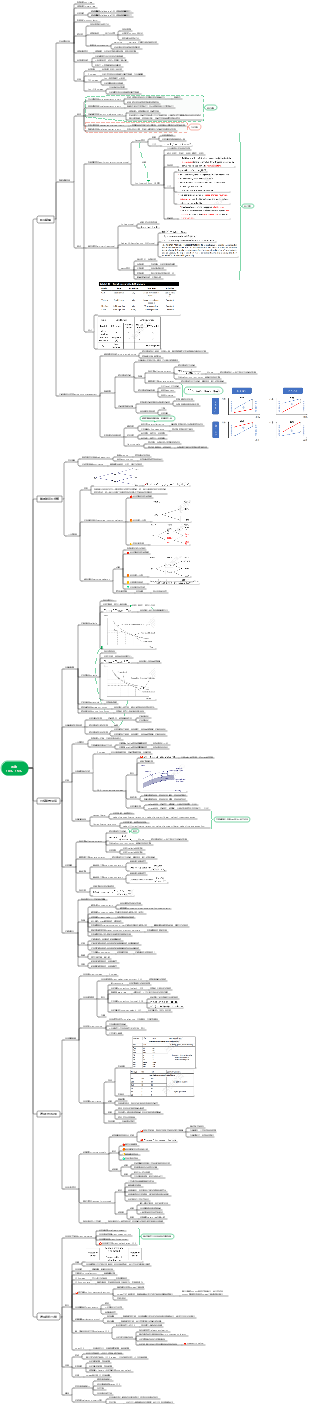
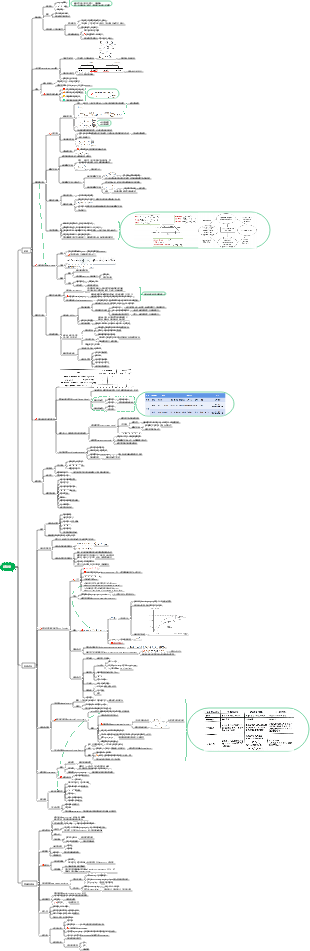
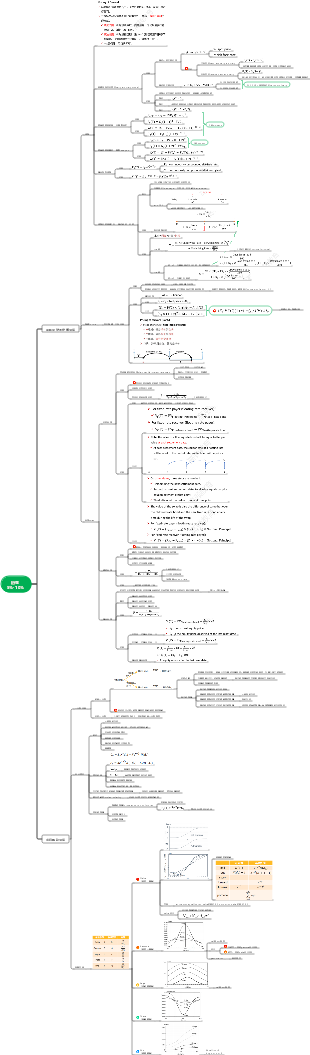
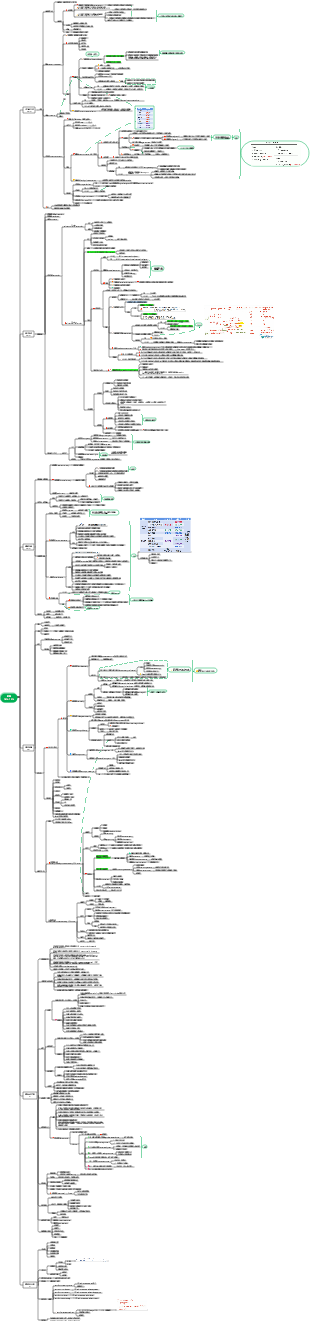
心智圖資源庫 Neurology-11 Degenerative Diseases of the Nervous System
Mind map of university clinical medicine major - "Neurology" 11 Degenerative diseases of the nervous system, produced according to the teaching PPT and corresponding textbook ("Neurology 8th Edition") during classroom learning, with detailed content. It can be used for students in related majors to study and take exams, or for friends who are interested in medicine to understand and refer to. Due to different teaching syllabuses, some content in the textbook has not been produced. Friends who need it can leave a message in the comment area and it will be updated later. Maps of other courses in the major can be viewed on the homepage after following it. Comments and corrections are welcome. Like, collect and follow to get more information and not get lost. update record: 2023.11.30-Publish works, paid clones
編輯於2023-11-30 22:58:42Neurodegenerative diseases
Overview
definition
A group of chronic and progressive diseases of unknown origin that damage the central nervous system and sometimes the peripheral nervous system.
feature
Multiple selective damage to specific anatomical structures and specific neurons
Often have family aggregation
The onset is relatively insidious and gradually worsens
Treatment is relatively difficult, and there are many unavailable therapeutic drugs.
Alzheimer's disease【AD】
Overview
Dementia and cognitive impairment
cognition
concept
The human brain receives external information, processes it, and converts it into internal psychological activities, which is the process of acquiring knowledge or applying knowledge.
content
Memory, language, visual space, execution, application, calculation and understanding judgment, etc.
Cognitive impairment
Impairment of one or more of the above cognitive functions
dementia
Two or more of the above cognitive domains are affected and affect the individual's daily or social abilities
Alzheimer's disease
definition
A degenerative disease of the central nervous system that occurs in old age and pre-elderly years and is characterized by progressive cognitive dysfunction and behavioral impairment.
The most common type of dementia in old age, 50% to 70%
Main pathological changes: senile plaques and neurofibrillary tangles
The pathophysiological changes of AD have already appeared in the pre-dementia stage.
Epidemiology
The prevalence of AD among people over 65 years old is about 3-7%, ∝ age
Female>Male
risk factors
Low education, dietary factors, smoking, reduced estrogen levels in women, high blood sugar, high cholesterol, high homocysteine, vascular factors
AD etiology classification
Familial AD [FAD]-autosomal dominant inheritance
Amyloid precursor protein (APP) gene mutation located on chromosome 21
Presenilin 1 (PS1) gene mutation located on chromosome 14
Presenilin 2 (PS2) gene mutation located on chromosome 1
Sporadic AD【SAD】
Apolipoprotein E [APOE] gene, APOEε4 carriers are high-risk groups for sporadic AD
Pathogenesis
β-Amyloid (Aβ) Cascade Hypothesis
Excessive production and clearance of Aβ are the initial events leading to neuronal degeneration and dementia.
Tau protein hypothesis
Hyperphosphorylated Tau protein causes neurofibrillary tangles and disrupts the normal function of neurons and synapses.
neurovascular hypothesis
Abnormal cerebrovascular function leads to neuronal dysfunction and reduced Aβ clearance, leading to cognitive impairment.
other
Cell cycle regulatory protein disorders, oxidative stress, inflammatory mechanisms, mitochondrial dysfunction
pathology
Gross pathology
Brain size reduction and weight loss
Cerebral sulci deepen and widen
Gyral atrophy, temporal lobe atrophy, especially hippocampal area atrophy
Histopathology
Neuritic plaques (NP)
Optic nerve axonal processes form around Aβ
Neurofibrillary tangles (NFTs)
Hyperphosphorylated microtubule tau protein is highly spiralized in neurons
Neuronal loss and gliosis
clinical manifestations
Course of disease
Often insidious onset and progressive progression
Clinical manifestations include cognitive decline and non-cognitive neuropsychiatric symptoms
two stages
predementia stage
Mild cognitive impairment (pre-MCI)
No clinical manifestations of cognitive impairment or only mild complaints of memory loss
This concept is currently mainly used in clinical research
Mild cognitive impairment (MCI)
Mild memory impairment and reduced ability to learn and retain new knowledge
Does not affect basic daily living abilities and does not reach the level of dementia
dementia stage
Mild
Mainly manifested as memory impairment, first of all, recent memory loss, gradually long-term memory loss, visuospatial disorders, fatigue, anxiety and negative emotions, personality disorders, such as not being clean, slovenly, irritable, irritable, selfish and suspicious
Moderate
Memory impairment continues to worsen, and the ability to work, learn new knowledge, and social contacts decreases
Decreased logical thinking and comprehensive analysis abilities, repetitive speech, decreased calculation ability, and obvious visual-spatial impairment
Behavioral and mental abnormalities, personality changes, focal brain symptoms, epilepsy, myotonic-oligokinesia syndrome
Severe
The aforementioned symptoms gradually worsened, including apathy, erratic crying and laughing, loss of speech and daily living abilities, bedridden, loss of ability to contact the outside world, limb rigidity or flexion paralysis, sphincter dysfunction, and systemic complications.
Auxiliary inspection
laboratory tests
Routine blood and urine tests, and blood biochemistry tests were normal.
CSF examination can reveal a decrease in Aβ₄₂ levels and an increase in total Tau protein and phosphorylated Tau protein.
electroencephalogram
Early days
Reduced amplitude and slowed alpha rhythm
medium term
As the disease progresses, wider theta activity gradually appears
Late stage
diffuse slow waves
Film degree exam
CT examination
See brain atrophy and ventricular enlargement
Brain MRI
Especially bilateral temporal lobe and hippocampus atrophy
SPECT
Especially the blood flow and metabolism in the bilateral temporal lobes and hippocampus are reduced
neuropsychological examination
Cognitive assessment areas (7): orientation, attention, memory function, perception (vision, hearing, perception), speech function, executive function, application ability
genetic testing
Can perform APP, PS1, PS2, APOε4 gene detection
clinical tools
general rating scale
Mini-Mental Status Examination (MMSE)
Alzheimer's Disease Cognitive Assessment Scale (ADAS-cog)
Hasegawa Dementia Scale (HDS)
Mattis Dementia Scale
Cognitive Ability Screening Inventory (CASI), etc.
grading scale
Clinical Dementia Rating Scale (CDR)
Global Decline Scale (GDS)
Hachinski ischemia scale
scale for identification
Hachinski ischemia scale
Psychiatric Behavior Rating Scale
Dementia Behavior Disorder Scale (DBD)
Hamilton Depression Rating Scale (HAMD)
Neuropsychiatric Inventory (NPI)
diagnosis
Clinical diagnostic criteria for AD dementia stages
Likely AD dementia
core clinical standards
① Meet the diagnostic criteria for dementia
②The onset is insidious, and symptoms gradually appear over months to years.
③Have a clear history of cognitive impairment
④ Manifested as amnestic syndrome (decreased learning and recent memory, accompanied by impairment of one or more other cognitive domains), or non-amnestic syndrome (impairment of one of language, visuospatial or executive functions, accompanied by impairment of one or more other cognitive domains) Impairment in 1 or more other cognitive domains)
Exclusion criteria
① Accompanied by a history of stroke related to the occurrence or worsening of cognitive impairment, or the presence of multiple or extensive cerebral infarctions, or the presence of severe white matter lesions
② Have core symptoms of dementia with Lewy bodies
③ Significant features of frontotemporal lobe dementia
④ Have significant characteristics of primary progressive aphasia
⑤ Have other neurological diseases that cause progressive memory and cognitive function impairment, or non-neurological diseases, evidence of drug overdose or abuse
Support standards
① Evidence of progressive cognitive decline found in assessments based on information provided by informants and formal neuropsychological testing
② Find evidence of mutation of the disease-causing gene (APP, PS1 or PS2)
Possible AD dementia: Diagnosis can be made when any of the following conditions exist
atypical process
Meets criteria 1 and 4 of the diagnostic criteria for probable AD dementia, but cognitive impairment occurs suddenly, or the medical history is unknown, or there is insufficient objective evidence of progressive cognitive decline
Meets all core clinical criteria for AD dementia but has evidence of
① Accompanied by a history of stroke related to the occurrence or worsening of cognitive impairment, or the presence of multiple or extensive cerebral infarctions, or the presence of severe white matter lesions
② Have dementia characteristics caused by other diseases, or dementia symptoms can be explained by other diseases and causes
Clinical diagnostic criteria for AD-derived MCI
Clinical manifestations consistent with MCI
Changes in cognitive function reported by patients or discovered by informants or doctors
Objective evidence of impairment in one or more cognitive areas, especially memory impairment
Maintain independence in daily living activities
Not meeting criteria for dementia
Consistent with the pathophysiological process of AD
Exclude vascular, traumatic, and iatrogenic cognitive impairment
There is evidence of sustained cognitive decline with longitudinal follow-up
There are causes related to genetic factors of AD
treat
Life care
supportive care
non-pharmacological treatment
medical treatement
Improve cognitive function
acetylcholinesterase inhibitor
Donepezil, Rivastigmine, Huperzine A
NMDA receptor antagonist
Memantine
brain metabolism activator
Oxiracetam et al.
Control mental symptoms
antidepressants
Selective 5-HT reuptake inhibitor
Atypical antipsychotics
Olanzapine, quetiapine
prognosis
The course of AD is about 5-10 years. A few patients can survive for 10 years or longer, and most of them die from lung infection, urinary tract infection, etc.
For the pre-dementia stage of AD, a combination of dietary modification (Mediterranean diet), physical exercise and cognitive training can delay cognitive decline.
Frontotemporal dementia [FTD]
Overview
definition
A group of non-Alzheimer's dementia syndromes associated with frontotemporal lobar degeneration
Features
6% of all people with dementia and 8%-17% of people under 70 years old with dementia
Characterized by pronounced personality, behavioral changes, and cognitive impairment
Can be combined with parkinsonism and motor neuron disease
Etiology and pathogenesis
Decreased 5-hydroxytryptamine (5-HT) neurotransmitters in the frontal and temporal cortex
Decreased dopamine release in brain tissue and cerebrospinal fluid
Significantly reduced number of muscarinic acetylcholine receptors
Most patients have an obvious genetic family history. Tau protein gene mutations lead to hyperphosphorylation, affect the formation of microtubules, promote the collapse of microtubules, and form insoluble deposits in neurons, causing neuronal damage.
pathology
Gross pathology
Brain atrophy, primarily affecting the frontal and/or temporal lobes
Often bilaterally asymmetrical, with the left hemisphere severely affected in most patients
Amygdala atrophy is more obvious than hippocampus
Both gray matter and white matter can be affected
Mild to moderate enlargement of the lateral ventricles
Histopathology
The number of neurons in each layer of the cortex in the atrophic brain is significantly reduced.
The remaining neurons show varying degrees of deformation and atrophy
Diffuse astrocyte proliferation with spongy changes
Pathological classification
3R-Tauopathies
4R-Tauopathies
3R and 4R-Tauopathies
clinical manifestations
General characteristics
crowd
45-70 years old, rare onset after 65 years old
No gender differences
The onset is insidious and progresses slowly
About half of the patients have a family history, and the inheritance mode is autosomal dominant inheritance.
It is characterized by obvious personality changes, behavioral changes and language impairment, and memory and visual space are well preserved.
PD and M can be merged
Behavioral Abnormality FTD【bvFTD】
90% of patients partially or completely lack insight
2/3 of patients have moderate to severe apathy and speech abnormalities
More than 1/2 have moderate to severe hyperactivity, loss of inhibition, loss of social awareness, continuous movement or lack of personal hygiene
Some patients may develop the characteristic Kluver-Bucy syndrome
dull, indifferent
Hyperactive mouth, putting anything in the mouth to test
Changes such as easy hunger, overeating, obesity, increased sexual behavior, etc.
Cognitive impairment
Memory and spatial orientation are well preserved
Marked impairments in behavior, judgment, and language
Delusions, sensory disturbances, and pyramidal or extrapyramidal system damage may occur
Primary progressive aphasia [PPA]
Non-fluent aphasia [PFNA]
It usually starts slowly after the age of 60 and manifests as language expression difficulties, decreased conversational ability, reduced language, word-finding difficulties, and phonetic and grammatical errors. Patients often remain silent and have relatively preserved understanding.
Semantic dementia [SD]
Semantic memory impairment appears earliest and is the most severe. Patients speak fluently and have correct grammar, but cannot understand the meaning of words and have difficulty finding words. They are accompanied by varying degrees of facial agnosia. Naming aphasia is a specific manifestation. Behavioral abnormalities may occur in the later stages, but visual space, attention, and memory are relatively preserved.
Auxiliary inspection
laboratory tests
Reduced CSF tau/AB₄₂ levels
neuropsychological examination
“Frontal lobe type” amnesia
Poor executive function performance
noncognitive symptoms
Film degree exam
CT/MRI: Frontal lobe and/or anterior temporal lobe atrophy, asymmetry
SPECT: Asymmetric frontal and temporal blood flow reduction
PET: Asymmetric frontal and temporal hypometabolism
diagnosis
Progressive signs of behavioral or cognitive impairment
① Early and progressive changes in personality
② Early and progressive changes in language
Resulting in significant impairment in social or occupational functioning
The course of the disease is characterized by insidious onset and continued exacerbation.
Not due to other neurological disorders, physical illnesses, or drug dependence
Excluding damage that occurs during delirium
The impairment cannot be explained by a mental illness (such as depression)
treat
There is no effective treatment, and acetylcholinesterase inhibitors are usually ineffective
Sedatives: Irritability, restlessness, aggression
Controlling your diet: Kluver-Bucy syndrome
Late stage: Prevent respiratory and urinary system infections and bedsores, etc.
prognosis
Poor
Course of disease 5-12 years
Most died from complications such as lung and urinary tract infections, bedsores, etc.
Dementia with Lewy bodies [DLB]
Overview
definition
A degenerative disease of the nervous system, the main clinical manifestations of which are fluctuating cognitive impairment, Parkinson's syndrome and mental symptoms with visual hallucinations as the most prominent representatives.
Ranks second among dementias caused by neurodegenerative diseases
The prevalence of DLB among the elderly is 3.6%-7.1%
Slightly more men than women
The age of onset is between 60-80 years old
Etiology and pathogenesis
The cause and risk factors are not yet clear; the disease is mostly sporadic and the pathogenesis is unclear
Alpha-synuclein gene mutations
Alpha-synuclein gene mutations can lead to protein misfolding and disordered arrangement to form Lewy bodies, causing neuronal dysfunction and apoptosis.
Parkin gene mutation
Parkin gene mutations lead to parkin protein synthesis disorders, affecting the ubiquitination process of damaged proteins, which cannot be cleared by proteolytic enzymes, leading to neuronal death.
clinical manifestations
cognitive impairment
Executive function and visuospatial dysfunction are prominent
Recent memory function is less impaired early in life
fluctuating cognitive impairment
Sudden and transient cognitive impairment
Other functions have declined during this period
visual hallucination
50%-80% of patients present early in the disease
Vivid content
Auditory and olfactory hallucinations may occur
Parkinson's syndrome
Resting tremor is often less noticeable
Other symptoms: sleep disorders, autonomic nervous system disorders, personality changes, etc.
rapid eye movement sleep behavior disorder
One of the earliest symptoms
Body movements and sleep talking occur
autonomic nervous system disorder
One of the earliest symptoms
Possibly due to damage to the lateral horn cells of the spinal cord
personality change
Increased aggression and depression are common
Auxiliary inspection
laboratory tests
Non-specific laboratory testing methods
neuropsychological examination
Cognitive dysfunction mainly manifests as visuospatial dysfunction
Film degree exam
CT/MRI: no typical manifestations, cortical atrophy can be seen
Dopaminergic tracing imaging: reduced dopaminergic activity
Cerebral perfusion imaging: low blood perfusion
PET: Comparison of metabolic rates in occipital cortex
diagnosis
Must-have symptoms of probable DLB and possible DLB
① Progressive decline in cognitive function that significantly affects social or occupational functions
② Cognitive functions are most obviously impaired, with attention, executive function and visuospatial function being the most obvious.
③ There may be no memory impairment in the early stage of the disease, but as the disease progresses, memory impairment becomes more and more obvious.
Three core symptoms: cognitive function fluctuations, visual hallucinations, and Parkinson’s symptom clusters
If two of the three characteristics are present at the same time, the diagnosis is probable DLB.
If there is only one, the diagnosis is possible DLB
suggestive symptoms
① Have REM sleep disorder
② Overly sensitive to antipsychotic drugs
③ SPECT or PET indicates reduced dopaminergic activity in the basal ganglia
≥1 core symptom 1 suggestive symptom → probably DLB No core symptoms, but ≥1 suggestive symptom → possible DLB
supporting evidence
① Repeated falls, syncope or temporary loss of consciousness
② Autonomic nervous system disorder (such as orthostatic hypotension)
③ Hallucinations and delusions of other senses
④ Systemic delusion
⑤ Depression
⑥ CT or MRI shows that the temporal lobe structure is intact
⑦ SPECT/PET shows that the metabolic rate of the occipital cortex is reduced
⑧ Myocardial angiography shows reduced uptake of metaiodobenzylguanidine
⑨ The electroencephalogram shows slow waves and short bursts of sharp waves in the temporal lobe.
Requirements for the order of symptom onset (differentiation from Parkinson’s disease dementia)
① For DLB, dementia symptoms generally appear earlier than or at the same time as Parkinson’s syndrome
② If Parkinson's disease appears first, the "1-year rule" should be followed, that is, if dementia occurs within 1 year after the onset of Parkinson's disease, DLB can be considered, and if dementia appears after 1 year, it should be diagnosed as Parkinson's disease combined with dementia.
Conditions for DLB diagnostics not supported
① Focal neurological signs or neuroimaging evidence of stroke
② The examination indicates other physical diseases or brain diseases that can cause similar clinical symptoms
③ Symptoms of Parkinson’s syndrome appear only when dementia is severe
treat
drug of choice
Cholinesterase inhibitors, the efficacy is relatively certain
New Atypical Antipsychotics
Aripiprazole, clozapine, quetiapine
Improve mood
Selective 5-HT receptor reuptake inhibitor
Taboo
Classic antipsychotics such as haloperidol and thioridazine
Use with caution
Levodopa, plus bell hallucinations
prognosis
Prognosis is poor, 5-7 years
The final cause of death is often malnutrition, pneumonia, etc.
Differential diagnosis of dementia
Frontotemporal dementia [FTD]
Dementia with Lewy bodies [DLB]
Parkinson's disease dementia [PDD]
Vascular dementia [VaD]
Often have a history of hypertension, diabetes, and stroke
Multiple acute onset, with fluctuating and stepwise progression of symptoms
Have neurological localization signs
CT/MR can detect stroke lesions
① Diffuse, localized cortical or subcortical multiple lacunar infarcts
② Large area infarction
③ Infarction of key parts, such as thalamus, limbic brain, frontal lobe, etc.
④ Leukoaraiosis
⑤ Brain atrophy, lateral ventricle enlargement
depression
Main manifestations: depression, lack of interest in various things
Combined cognitive impairment: memory impairment, attention disorder, etc.
Accompanied by sleep disorders: insomnia, early awakening, etc.
With somatization symptoms: easy fatigue or weakness
other
normal pressure hydrocephalus
progressive mental decline
ataxic gait
urinary incontinence
Evan’s Index
The ratio of the maximum distance between the anterior horns of the lateral ventricles on both sides to the maximum cranial cavity (internal plates of the skull on both sides) at the same level is >0.3
Huntington's disease【HD】
Progressive supranuclear palsy [PSP]
Infections, poisoning, metabolic diseases
Motor neuron disease [MND]
Overview
definition
A series of chronic progressive neurological degenerative diseases characterized by damage to upper and lower motor neurons.
Epidemiology
More males than females, 1.2-2.5:1
Most cases occur in middle age, and the course of disease is usually 2-6 years.
The annual incidence rate is 1.5/100,000-2.7/100,000
The prevalence rate is approximately 2.7/100,000-7.4/100,000
Cause and pathogenesis
Cause
Infection and Immunity
Elevated CSF immunoglobulins in ALS patients
Abnormal number and function of T cells in blood, formation of immune complexes
Anti-ganglioside antibodies positive
metal element
Related to certain metal poisoning or deficiencies of certain elements
MND patients with a history of aluminum exposure have elevated plasma and CSF aluminum levels
genetic factors
Sporadic, autosomal dominant inheritance
Copper (zinc) superoxide dismutase gene
TAR DNA-binding protein gene mutations
nutritional disorders
Vitamin B₁ and vitamin B monophosphate were reduced in the patient's plasma
Neurotransmitters
Neurotoxic effects of excitatory amino acids (mainly glutamate and aspartate)
The pathogenesis is not yet clear
It may be caused by the accumulation of toxic substances in the nervous system for various reasons, especially the increase in free radicals and excitatory amino acids, which can damage nerve cells and cause disease.
pathology
naked eye
Spinal cord atrophy and thinning
Light microscopy
Degeneration and loss of spinal cord anterior horn cells and cerebral cortex motor area pyramidal cells
Brainstem motor nucleus degeneration
Gliosis
ubiquitinated inclusion bodies
Exists in the cytoplasm of neurons, its main component is TDP-43, which is a characteristic pathological change of ALS
Other performance
The anterior roots of spinal nerves become thinner, axons are broken, myelin is lost, and fibers are reduced.
The pyramidal tract develops from the distal end to the proximal end, and demyelination and axonal degeneration occur.
Muscle denervation atrophy
In the late stage, other tissues in the body such as myocardium and gastrointestinal smooth muscle may also undergo degenerative changes.
clinical manifestations
Usually onset is insidious and progresses slowly
Clinical manifestations include different combinations of muscle weakness, muscle atrophy, and pyramidal tract signs.
Amyotrophic lateral sclerosis [ALS]-classic type
The most common manifestation is simultaneous damage to the anterior horn cells of the spinal cord, brainstem motor nuclei, pyramidal tracts, and upper and lower motor neurons.
Initial symptoms: Clumsy and weak finger movements, atrophy of small hand muscles, and hands may be in the shape of eagle claws
Muscle atrophy of both upper limbs, muscle tone is low, but tendon reflexes are hyperactive, and Hoffmamn's sign is positive; Spastic paralysis of both lower limbs, high muscle tone, hyperreflexia, and positive Babinski sign
There are often subjective sensory symptoms and normal sphincter function. Bulbar paralysis and pseudobulbar paralysis may occur in the late stage.
Extraocular muscles are generally not affected
Progressive muscular atrophy [PMA]
Damage limited to cells in the forefoot of the spinal cord, lower motor neuron manifestations: weakness and muscle atrophy without pyramidal tract signs
The first symptom is often atrophy and weakness of small muscles in one or both hands, gradually affecting the forearm, upper arm and shoulder girdle muscles.
Affected muscles have obvious atrophy, reduced muscle tone, fasciculations, weakened tendon reflexes, and negative pathological reflexes.
Sensation and sphincter function are generally intact.
Progressive bulbar palsy [PBP]
Isolated damage to the medulla bulbar motor nucleus manifests as atrophy and weakness of the laryngeal and tongue muscles.
True bulbar palsy: progressive unclear articulation, hoarseness, difficulty swallowing, choking on drinking water, laryngeal muscle atrophy, and loss of gag reflex
The tongue muscles are obviously atrophied and have fasciculations
There may be pseudobulbar palsy: forced crying and forced laughter, and mandibular hyperreflexia.
Primary lateral sclerosis [PLS]
Only damage to the pyramidal tract, upper motor neuron damage, rare
The first symptoms were symmetrical stiffness and weakness in both lower limbs, and walking with a scissor gait, which progressed slowly and gradually affected both upper limbs.
The muscle tension of the limbs is spasmodically increased, the tendon reflexes are hyperactive, and the pathological reflexes are positive
Generally no muscle atrophy or fasciculations
No sensory impairment, no sphincter function affected
Pseudobulbar palsy may occur
Auxiliary inspection
EMG
It has high diagnostic value and shows typical neurogenic damage.
Fibrillation potentials and positive sharp waves can be seen in the resting state
When contracting with small force, the time limit of the motor unit increases, the amplitude increases, and the polyphasic wave increases.
During vigorous contraction, the recruitment phase decreases and becomes a simple phase.
Motor nerve conduction may show reduced amplitude of compound muscle action potential, and less likely motor nerve conduction velocity abnormalities.
Sensory nerve conduction is abundant without abnormality
Progressive denervation and chronic reinnervation phenomena
cerebrospinal fluid examination
Lumbar puncture pressure is normal or low, cerebrospinal fluid examination is normal or protein is slightly increased, and immunoglobulin may be increased.
blood test
Serum creatine phosphokinase activity is normal or slightly increased
Both cellular immunity and humoral immunity may be abnormal
CT and MRI
The spinal cord becomes thinner (the waist and neck are more obvious)
muscle biopsy
Pathological changes in neurogenic muscular atrophy can be seen
diagnosis
Insidious onset after middle age, chronic and progressive disease course
The main clinical manifestations are different combinations of muscle weakness, muscle atrophy, bulbar paralysis and pyramidal tract signs caused by upper and lower motor neuron damage.
No sensory impairment
Electromyography shows neurogenic damage
Cerebrospinal fluid was normal and imaging showed no abnormality.
Differential diagnosis
cervical spondylosis
Muscle atrophy is often limited to the upper limbs, and is more common in hand muscle atrophy.
Signs often include sensory disturbances, sphincter disorders may be present, and there is no manifestation of bulbar paralysis.
Medulla oblongata and syringomyelia
Atrophy of small muscles in hands and fasciculations
segmental dissociative sensory disorder
MRI scan may show spinal cord or bulbar syrinx
multifocal motor neuropathy
Asymmetric limb weakness, atrophy, fasciculations, minimal sensory involvement, preserved tendon reflexes, and segmental motor nerve conduction showing multifocal motor block.
The serum anti-GM1 antibody titer increased, and intravenous immunoglobulin was effective
Cervical spinal cord tumors
Fasciculations are generally absent, and radicular pain and tract sensory disturbances are often present
Lumbar puncture can reveal spinal canal obstruction and increased cerebrospinal fluid protein content.
Myelography, CT or MRI: space-occupying lesions in the spinal canal
Upper limb peripheral nerve damage
Mostly muscle weakness and atrophy of one side of the upper limbs, with sensory impairment
benign fasciculations
Coarse fasciculations may occur, without muscle weakness or atrophy, and electromyography examination is normal.
spinal muscular atrophy
recessive genetic disease
Progressive symmetrical proximal muscle weakness and atrophy are the main manifestations
Selective involvement of lower motor neurons
treat
in principle
Combined treatment with multiple methods such as etiological treatment, symptomatic treatment and various non-drug treatments
Cause treatment
Anti-excitatory amino acid toxicity, neurotrophic factors, antioxidant and free radical scavenging, new calcium channel blockers, anti-apoptosis, gene therapy and neural stem cell transplantation
medical treatement
Riluzole
Inhibiting the release of glutamate can delay the course of the disease and prolong the survival of patients with bulbar paralysis.
Edaravone
Free radical scavengers, which can slow down the progression of disease under certain conditions
immunosuppressant
Prednisone, cyclophosphamide, etc.
Symptomatic treatment
For the treatment of complications and accompanying symptoms such as swallowing, breathing, articulation, spasm, pain, and nutritional disorders, patients with respiratory failure can undergo tracheotomy and mechanical ventilation.
prognosis
The prognosis of motor neuron disease varies depending on the type of disease and age at onset
Primary lateral sclerosis progresses slowly and has a good prognosis
Some patients with progressive muscular atrophy can maintain their condition for a longer period of time without improving
The prognosis of patients with amyotrophic lateral sclerosis, progressive bulbar palsy, and some progressive muscular atrophy is poor. The disease continues to progress, and more than 5 years die from respiratory muscle paralysis or lung infection.
central theme
theme
theme
theme
theme
Chapter 11 Neurodegenerative diseases Overview Traditionally, neurodegenerative diseases are a group of chronic and progressive diseases of unknown origin that damage the central nervous system, sometimes involving Peripheral nervous system. Due to the current development of science and technology, including the development of molecular imaging, molecular pathology, molecular diagnosis and neurobiology, we have We have gained new insights into the causes and progression of many degenerative diseases. In the current process of accelerated aging of society, neurodegenerative diseases have has become a hot area of concern, Neurodegenerative diseases often have the following characteristics: ① Multiple selective damage to specific anatomical structures and specific neurons, such as amyotrophic lateral cords Sclerosis mainly affects motor neurons in the cortex, brain and spinal cord, manifesting as symptoms and body damage to upper motor neurons and lower motor neurons. Symptoms; ②The onset is relatively insidious and gradually worsens. There is a long asymptomatic period in the early stages of the disease, and there is often no relief when clinical symptoms appear. Process: ③ Mostly have familial aggregation, which can be divided into familial and sporadic. For example, Alzheimer's disease is divided into sporadic and familial; ④ Treatment phase For difficulties, there are often no therapeutic drugs for the cause. However, clinical trials of drugs for neurodegenerative diseases have become a hot research area. It is mostly divided into symptomatic treatment and cause-modifying treatment, and new drugs may be available in the future. Section 1 Motor neuron disease Motor neuron disease (M ND) is a series of chronic diseases characterized by damage to upper and lower motor neurons. Progressive neurodegenerative diseases. Clinical manifestations include different combinations of upper and lower motor neuron damage, characterized by muscle weakness and atrophy Constriction, bulbar paralysis, and pyramidal tract signs usually leave the sensory system and sphincter function unaffected. Most cases occur in middle age, and the course of disease is 2 to 6 years. Those with a longer course of disease. There are more men than women, and the prevalence ratio is (1.2~2.5):1. The annual incidence rate is 1.5/100,000 to 2.7/100,000. The rate is about 2.7/100,000 to 7.4/100,000. [Cause and pathogenesis] There are currently many hypotheses regarding the etiology and pathogenesis of MND: genetic mechanisms, oxidative stress, excitotoxicity, neurotrophic factors disorders, autoimmune mechanisms, viral infections and environmental factors, etc. Although the exact pathogenic mechanism is not yet known, there is currently a relatively unified understanding Yes, oxidative damage and excitotoxicity based on genetic background jointly damage motor neurons, mainly affecting mitochondria and cells. Structure and function of the cytoskeleton. Some data show that older men, history of trauma, and excessive physical labor (such as miners, heavy manual laborers, etc.) are all may be a risk factor for the disease. In addition, possible relevant factors include: 1. Infection and immunity Some scholars believe that the pathogenesis of ALS is related to myovirus and human immunodeficiency virus (human immunodeficiency vi- rus, HIV). Immune function tests have found that ALS patients have elevated CSF immunoglobulin and abnormal T cell number and function in the blood. Immune complexes were formed, anti-gangliolipid antibodies were positive, and antibodies to acetylcholine receptors were even detected. It is speculated that ALS serum may be There are toxic effects on nerve tissues such as anterior horn cells. 2. Metal elements Some scholars believe that the onset of ALS is related to certain metal poisoning or lack of certain elements. Many people noticed Patients with MND have a history of aluminum exposure, and elevated levels of aluminum were found in the patient's plasma and CSF. Can a radi consider retrograde axonal flow in aluminum Can cause anterior horn cell poisoning and lead to ALS. Differences in the content of metal elements in the environment may be responsible for the geographically high incidence of ALS in certain areas s reason 3. Genetic factors The disease is mostly sporadic, 5% to 10% of patients have a family history, and the inheritance pattern is mainly autosomal dominant. pass. The most common disease-causing gene is the copper (zinc) superoxide dismutase (superoxide di smut as e 1, SOD-1) gene, about 20% of families 261
262 Chapter 11 Neurodegenerative diseases Familial ALS and 2% of sporadic ALS are related to mutations in this gene. In recent years, researchers have discovered the TAR DNA junction on chromosome 1 TAR DNA binding protein (TD P-43) gene mutations are associated with both familial and sporadic ALS; mutations on chromosome 9 The GG G GCC hexanucleotide repeat sequence in the noncoding region of the C 9 orf 72 gene is associated with about 25% of familial ALS. These studies reveal The pathogenesis of ALS brings new hope. 4. Nutritional disorders. Polo ni et al. found that vitamin B and vitamin B monophosphate were reduced in the plasma of ALS patients. Ask-Up mark 5 cases of ALS were reported after gastrectomy, suggesting that nutritional disorders may be related to the onset of ALS. 5. Neurotransmitters The level of the inhibitory neurotransmitter GABA in CSF of ALS patients was significantly lower than that of the control group, while norepinephrine It is higher than that of the control group. The more serious the condition, the more obvious this change is. In recent years, studies have suggested that excitatory amino acids (mainly glutamate and tertiary The neurotoxic effects of aspartate) play an important role in the pathogenesis of ALS. In short, the cause and pathogenesis of this disease are still unclear. It may be caused by the accumulation of toxic substances in the nervous system for various reasons, especially Especially the increase in free radicals and excitatory amino acids can damage nerve cells and cause disease. 【pathology】 Atrophy and thinning of the spinal cord are visible to the naked eye. Under light microscopy, degeneration and loss of anterior horn cells of the spinal cord are most evident in the cervical spinal cord, followed by the thoracolumbar spinal cord: cerebral cortex movement The pyramidal cells in the dynamic area also undergo degeneration and loss. There is a ubiquitinated inclusion body in the cytoplasm of neuronal cells in ALS patients, and research has found that it The main component is TD P-43, which is a characteristic pathological change of ALS. Among the brainstem motor nuclei, the degeneration of the hypoglossal nucleus is the most prominent. The nucleus, motor nucleus of the trigeminal nerve, dorsal nucleus of the vagus nerve, and facial nerve nucleus also have degenerative changes, and the oculomotor nucleus is rarely involved. Lesion Different degrees of gliosis can be seen, and the endocytic activity is not obvious. The front roots of spinal nerves become thinner, axons are broken, myelin is lost, and fibers are reduced. cone The degeneration of the tract develops from the distal end to the proximal end, and demyelination and axonal degeneration occur. Sometimes changes in other conductive tracts, such as cortical connections, can also be seen. Department of fibers, posterior longitudinal fasciculus, rubrospinal tract, and various other conductive tracts in the brainstem and spinal cord. Muscles show denervation atrophy. in Asia In both acute and chronic cases, sprouting of nerve fibers can be seen within the muscle, which may be evidence of nerve regeneration. In the later stages, other tissues in the body such as the heart Muscles and gastrointestinal smooth muscles may also undergo degenerative changes [Clinical manifestations] Usually the onset is latent and slowly progresses; subacute progression is occasionally seen. Depending on the location of the damage, clinical manifestations include muscle weakness and muscle atrophy. and different combinations of pyramidal tract signs. If the damage is limited to the anterior horn cells of the spinal cord, showing weakness and muscle atrophy without pyramidal tract signs, it is progressive. Progressive muscular atrophy (PM A). Damage to the medulla bulbar motor nucleus alone results in weakness of the laryngeal and tongue muscles, Those with shrinkage are progressive bulbar palsy (P BP). Involves only the pyramidal tracts and manifests as weakness and pyramidal signs The patient is primary lateral sclerosis (PL S). If both upper and lower motor neurons are damaged, the symptoms are muscle weakness and muscle weakness. Those with rhomboids and pyramidal tract signs have ALS. However, many cases show one type of symptoms first, and then another type of symptoms, and finally Later evolved into ALS. Therefore, it is sometimes difficult to determine which type it belongs to in the early stages of the disease. 1. Amyotrophic lateral sclerosis, the most common type, is also called the classic type, and other types are called variants. Mostly acquired A few are familial. The age of onset is mostly between 30 and 60 years old, and most cases occur over the age of 45. More men than women. Typical up and down movement Clinical features of simultaneous neuronal damage. Common first symptoms are clumsiness and weakness in finger movements on one or both sides, followed by the development of small hand muscles. Rhomboid contraction is most obvious in the major and hypothenar muscles, interosseous muscles, and radix muscles. The hands can be in the shape of eagle claws, and gradually extend to the forearm, upper arm and shoulder girdle muscles. As the disease progresses, muscle weakness and atrophy extend to the trunk and neck, eventually involving the facial and pharyngeal muscles. Muscle atrophy and weakness in rare cases Start with the lower limbs or trunk muscles. There is often obvious muscle bundle movement in the affected area. Muscle atrophy of both upper limbs, muscle tone is low, but tendon reflexes are hyperactive, Positive Hoffmann's sign; degenerative paralysis with pain in both lower limbs, muscle atrophy and mild muscle fascicle movements, high muscle tone, hyperactive tendon reflexes, positive Bab in ski sign sex. Patients generally have no objective sensory impairment, but often have subjective sensory symptoms, such as numbness. Sphincter function often remains good. patient Consciousness remains awake at all times. Bulbar palsy generally occurs in the late stages of the disease, and may be the first symptom in a few cases. The tongue muscles are often involved first, and the surface Presently, there is atrophy of tongue muscles, facial binding, and weakness of tongue extension. Subsequently, atrophy and weakness of the waist, pharynx, larynx, and masticatory muscles occurred, resulting in unclear articulation and difficulty swallowing. Difficult, unable to chew. Because there is damage to both corticobulbar tracts at the same time, pseudobulbar paralysis may occur. Among the facial muscles, the calcarus oris muscle is most obviously affected. show. Extraocular muscles are generally not affected. The prognosis is poor, and most people die from respiratory muscle paralysis or lung infection within 3 to 5 years. 2. The age of onset of progressive muscular atrophy is between 20 and 50 years old, mostly around 30 years old, slightly earlier than ALS, and is more common in men. motor neurons Degeneration is limited to the anterior horn cells of the spinal cord and brainstem motor nuclei, with symptoms and signs of lower motor neuron damage. The first symptoms are often
263 Chapter 11 Neurodegenerative diseases It is atrophy and weakness of small muscles in one or both hands, gradually affecting the forearm, upper arm and shoulder girdle muscles. In a few cases, muscle atrophy may begin in the lower limbs. The affected muscles have obvious atrophy, reduced muscle tone, visible muscle bundle movements, weakened reflexes, and negative pathological reflexes. Generally no sensation or sphincter function Disability. This type progresses slowly and can last for more than 10 years or longer. In the later stage, it develops to muscle atrophy and weakness throughout the body, and the person cannot live independently. management, often resulting in death from lung infection 3. Progressive bulbar paralysis, rare. The age of onset is later, usually after the age of 40 or 50. Mainly manifested as progressive hair loss Unclear speech, hoarse voice, difficulty swallowing, choking on drinking water, and weakness in chewing. The tongue muscles were significantly atrophied, and there was also atrophy of the facial, labial, and throat muscles. The gag reflex disappears. Sometimes, both cortical brain tracts are damaged at the same time, resulting in forced crying, forced laughter, and hyperactive subcollar reflexes, resulting in true and pseudobulbar anesthesia. Paralysis coexists. The disease progresses rapidly, and death usually occurs within 1 to 2 years due to respiratory muscle paralysis or lung infection. 4. Primary lateral sclerosis is clinically rare. It usually occurs after middle age, and the onset is insidious. The common first symptom is symmetry of both lower limbs Stiffness, weakness, and walking with a scissors gait. It progresses slowly and gradually affects both upper limbs. The muscle tension of the limbs is increased with pain and degeneration, and the tendon reflexes are hyperactive Progress, pathological reflexes are positive, generally there is no muscle atrophy and muscle bundle movement, no sensory impairment, and sphincter function is not affected. If bilateral cortical brainstem tracts are affected If damaged, pseudobulbar palsy may occur. Progresses slowly and can survive for a long time It was previously believed that MND was a purely motor system disease, without damage to the intelligence, sensory system, extrapyramidal system, and autonomic nervous system. Clinical manifestations. However, clinical observation did find that a small number of MND patients developed manifestations other than the motor system, such as dementia, pyramidal External symptoms, sensory abnormalities, bladder and rectal dysfunction, etc. Extraocular muscle movement disorders may also occur in a small number of patients. It is customary to accompany MND with these rare manifestations is called atypical MND. Its exact pathogenesis is still unclear, and patients with MND may be accompanied by other diseases. disease, or MND disease involving other systems 【Auxiliary inspection】 1. Electromyography has high diagnostic value and shows typical neurogenic damage. ALS patients often have low-end areas in the medulla oblongata, neck, chest and waist. Muscles innervated by the same nerve segment undergo progressive denervation and chronic renervation. Mainly manifested in resting state It can be seen that the fiber potential and positive sharp wave are widened, the motor unit time limit is broadened, the amplitude is increased, and the polyphasic wave is increased during small-force contraction, and the recruitment is reduced during strong contraction. Few, simple phase; motor nerve conduction examination may show compound muscle action potential (compound muscle action potential, C MAP) amplitude is reduced, motor nerve conduction velocity abnormalities are less common, and sensory nerve conduction tests are mostly normal. 2. Cerebrospinal fluid examination, lumbar puncture pressure is normal or low, cerebrospinal fluid examination is normal or protein is slightly increased, immunoglobulin may be increase height. 3. Blood tests and routine blood tests were normal. Serum creatine phosphokinase activity is normal or slightly increased but its isoenzymes are not elevated Immune function tests, including cellular immunity and humoral immunity, may be abnormal. 4. CT and MRI examination showed that the spinal cord became thinner (the lumbar and cervical enlargements were more obvious), but there were no other special findings. 5. Muscle biopsy shows pathological changes of neurogenic muscle atrophy 【diagnosis】 According to the course of the disease, which starts insidiously after middle age and gradually worsens over time, the main clinical manifestations are muscle damage caused by damage to upper and lower motor neurons. Different combinations of weakness, muscle atrophy, fasciculations, bulbar palsy and pyramidal tract signs, no sensory impairment, electromyography showing neurogenic damage, cerebrospinal The fluid is normal and the imaging findings are normal, so it is generally not difficult to make a clinical diagnosis. The World Federation of Neurology first proposed the EI Escorial diagnostic criteria for this disease in Spain in 1994, and published this standard in 2000. The revised version is as follows: 1. The diagnosis of ALS must meet the following three points: (1) Clinical, electrophysiological or pathological examination shows evidence of lower motor neuron disease. (2) Clinical examination shows evidence of upper motor neuron disease (3) Medical history or examination shows that the above symptoms or signs extend within one site or from one site to other sites 2. At the same time, the following 2 points must be excluded (1) Electrophysiological or pathological examination suggests that the patient may have other diseases that cause upper and lower motor neuron lesions (2) Neuroimaging suggests that the patient may have other diseases that cause the above clinical or electrophysiological changes. 3. Further based on the sufficiency of clinical evidence, ALS can be diagnosed hierarchically (Table 11-1)
264 Chapter 11 Neurodegenerative diseases Table No. 11-1 Revised clinical diagnostic criteria for El Escorial ALS clinical diagnostic certainty Clinical features Diagnosed with ALS Signs of upper and lower motor neuron disease in at least 3 locations Likely ALS There are signs of upper and lower motor neuron disease in at least 2 locations, and some upper motor neuron signs must be Must be located proximal to (above) the lower motor neuron sign Lab Support Likely ALS Only signs of upper and lower motor neuron disease in one site, or signs of upper motor neuron disease in one site, plus EMG evidence of lower motor neuron damage in at least two limbs Possible ALS Signs of upper and lower motor neuron disease in only one site, or upper motor neuron disease in two or more sites sign, or the lower motor neuron sign is proximal to (above) the upper motor neuron sign [differential diagnosis] MND needs to be differentiated from other diseases in which upper motor neuron and/or lower motor neuron lesions are the main symptoms (Table 11-2) Differential diseases related to motor neuron disease Table 11-2 Idiopathic spinal muscular atrophy amyotrophic lateral sclerosis Proximal adult or youth onset type (Ku gel berg-We lander Variants of amyotrophic lateral sclerosis disease) progressive bulbar palsy X-linked bulbar spinal muscular atrophy (Kennedy disease primary lateral sclerosis distal spinal muscular atrophy progressive muscular atrophy Hexosaminidase A deficiency Single-limb muscle atrophy (benign focal muscle atrophy) Other diseases that need to be identified Infection or after infection Cervical spondylosis or lumbar spondylosis polio Poisoning (such as lead poisoning) postradiotherapy syndrome post polio syndrome retroviruses-associated syn- immune-mediated demyelinating motor neuropathy Multifocal motor neuropathy with conduction block d rome s) West Nile encephalitis Atypical chronic inflammatory demyelinating polyradiculoneuropathy hereditary Motor neuropathy associated with lymphoma and other malignancies familial amyotrophic lateral sclerosis 1. Cervical spondylosis or lumbar spondylosis. Cervical spondylosis can cause hand muscle atrophy. When the spinal cord is compressed, it can also cause lower limb tendon hyperreflexia and bilateral pathology. Symptoms and signs of upper and lower motor neuron lesions such as positive reflexes. It can also have a chronic and progressive course, and it is sometimes difficult to differentiate between the two. but Muscle atrophy in cervical spondylosis is often limited to the upper limbs, mostly hand muscle atrophy, which is not as widespread as ALS. It is often accompanied by pain in the upper limbs or shoulders, and objective examination often There may be sensory impairment, and there may be sphincter disorder, without bulbar paralysis; lumbar spondylosis is also often limited to one lower limb, accompanied by waist or leg pain. chest lock There were no abnormalities in the needle electromyography examination of the mastoid muscles and thoracic paraspinal muscles. Cervical spine X-rays, CT or MRI show cervical bone hyperplasia and intervertebral foraminal degeneration Narrowing, intervertebral disc degeneration or prolapse, and even meningeal sac compression are helpful in identification. For the elderly, when cervical spondylosis is combined with lumbar spondylosis, clinical It is more likely to be confused with ALS than electromyography. At this time, the abnormal spontaneous potential of needle pole electromyography of the thoracic paravertebral muscles of the latter is helpful for identification. 2. Clinically, bulbar and syringomyelia often include atrophy of the small muscles of the hands and muscle bundle movements, which can progress to true bulbar paralysis. Pyramidal tract signs may occur. However, the clinical progress is slow, often combined with other malformations, and there is segmental dissociated sensory disorder. MRI can show the medulla oblongata. or syringomyelia, which helps in identification. 3. Multifocal motor neuropathy (MM N) Chronically progressive focal lower movements Neuronal damage, presumably an autoimmune disease related to anti-ganglioside (GM 1) antibodies. The clinical manifestations of MM N are mostly asymmetric Sexual limbs are weak, contracted, and muscle bundles are twitching, but the feeling of involvement is very mild. Tendon reflexes may be preserved. Segmental motor nerve conduction measurements can show Multifocal motor block, increased serum anti-GM 1 antibody titer, intravenous immunoglobulin is effective, and can be differentiated from it 4. Cervical spinal cord tumors may have upper limb muscle atrophy and limb tendon hyperreflexia, with positive pathological reflexes on both sides. But generally no muscle fascicles Movement, often with radicular pain and tract sensory disturbances. Lumbar puncture can reveal spinal canal obstruction and increased cerebrospinal fluid protein content. Myelography, CT
265 Chapter 11 Neurodegenerative diseases Or MRI showing space-occupying lesions in the spinal canal can help confirm the diagnosis 5. Peripheral nerve damage to the upper limbs may cause muscle weakness and atrophy of the upper limbs, but it mostly affects one side and has sensory impairment, which can be treated with identification. 6. Benign muscle fascicle movements: Normal people may sometimes have thick muscle fascicle movements, but there is no muscle weakness or muscle atrophy, and electromyography is normal. 7. Spinal muscle atrophy (SMA) is a group of genetic diseases, most of which are recessive inheritance. Motor neuron survival genes on chromosome 5. Clinically, progressive symmetrical proximal muscle weakness and atrophy are the main manifestations. Selective involvement of lower motor neurons without involvement of upper motor neurons. The most severe form of SMA occurs in infancy (We rd nig Hoffmann's disease), most die within 2 years of age. The prognosis of SMA (Kugelberg-Welander disease) that starts in children, adolescents or adults is good. 【treat】 The treatment of MND includes etiological treatment, symptomatic treatment and various non-drug treatments. It must be pointed out that MND is a heterogeneous group of diseases. The causative factors of the disease are diverse and interact with each other, so its treatment must be a combination of multiple methods. Expected to be completed with a single drug or single treatment It is unrealistic to completely block the progression of the disease. The current development direction of etiological treatment includes anti-excitatory amino acid toxicity, neurotrophic factors, antioxidant and free radical scavenging, new Type calcium channel blockers, anti-apoptosis, gene therapy and neural stem cell transplantation. Riluzole inhibits glutamate release The effect of radiotherapy, 50 mg twice a day, taken for 18 months, can delay the course of the disease and prolong the survival period of patients with medullary anesthesia. free radicals The scavenger edaravone can slow the progression of the disease under certain conditions. Prednisone, cyclophosphamide, etc. have also been tried to treat this disease, but Blood count and liver function must be reviewed regularly. Symptoms of bulbar paralysis can be improved in some cases after medication, but it is not suitable for patients with limb weakness and muscle atrophy. The patient is of little help. Symptomatic treatment includes treatment of complications and accompanying symptoms such as swallowing, breathing, articulation, pain, pain, and nutritional disorders. Difficulty swallowing Those with difficulty should be fed nasal feeding. Patients with respiratory failure may undergo tracheotomy and mechanical ventilation. While providing symptomatic treatment, full attention should be paid to the adverse reactions that may occur. In clinical application, it is necessary to carefully weigh the benefits and individualize the medication according to the patient's condition. 【Prognosis】 The prognosis of motor neuron disease varies depending on the type of disease and age at onset. Primary lateral sclerosis progresses slowly and The condition is good; some patients with progressive amyotrophic atrophy can maintain their condition for a long time but will not improve: amyotrophic lateral sclerosis, progressive amyotrophic lateral sclerosis The prognosis of patients with bulbar palsy and some progressive muscular atrophy is poor, the disease continues to progress, and more than 5 years die from respiratory muscle paralysis. Thin or lung infection. Section 2, Alzheimer’s disease Alzheimer's disease (AD) is a disease that occurs in old age and pre-elderly years and is characterized by progressive cognitive dysfunction and behavioral impairment. Degenerative disease of the central nervous system characterized by damage. Clinical manifestations include memory impairment, aphasia, apraxia, agnosia, and visual-spatial ability impairment. Harm, impairment of abstract thinking and calculation ability, personality and behavior changes, etc. AD is the most common type of dementia in the elderly, accounting for approximately 50%~70%. As the understanding of AD continues to deepen, it is currently believed that there is an extremely important dementia before the dementia stage of AD. In the early stage, there may be AD pathophysiological changes in this stage, but there are no or only mild clinical symptoms. 【Epidemiology】 AD is one of the most common chronic diseases in old age. The World Health Organization (WH 0) estimates that the global prevalence of AD among people over 65 years old is The prevalence rate is 4% to 7%. The prevalence rate of AD is closely related to age. For every 6.1 years of increase in age, the prevalence rate doubles; when the age is above 85 years old, the prevalence rate doubles. Among the elderly population in the world, the prevalence of AD can be as high as 20% to 30%. In 2001, there were more than 20 million AD patients worldwide, and it is expected that by 2040 will exceed 80 million. AD is the most common disease that causes the elderly to lose their ability to perform daily activities, and it is also the third leading cause of death in the elderly. Five causes. AD not only brings great pain to patients, but also brings heavy mental pressure and medical and care burdens to families and society. Worldwide spending on AD in 2010 was estimated at $604 billion. Therefore, AD has become a global public health and social major issues of sustainable development.
266 Chapter 11 Neurodegenerative diseases [Cause and pathogenesis] AD can be divided into familial AD and sporadic AD. Familial AD is inherited in an autosomal dominant manner and most often begins before the age of 65. What is seen is the amyloid precursor protein (APP) gene located on chromosome 21, and the amyloid precursor protein (APP) gene located on chromosome 14. Presenilin 1 (pre sen il in 1, PS 1) gene and presenilin 2 (pre sen il in 2, PS 2) gene located on chromosome 1 are mutated. carry Almost 100% of people with APP and PS 1 gene mutations will develop AD, while people with PS 2 gene mutations are more likely to develop AD. The rate is about 95%. For sporadic AD, which accounts for more than 90%, although there are many candidate genes, it is currently believed that apolipoprotein E (apo lipoprotein E, A POE) genes are most relevant. A POE 4 carriers are a high-risk group for sporadic AD. Studies have shown that they carry an A POE 4 allele. People with A POE 4 alleles have a risk of developing AD that is approximately 3.2 times that of normal people, while people who carry two A POE 4 alleles have a risk of developing AD. The risk of AD is about 8 to 12 times that of normal people. There are many theories regarding the pathogenesis of AD, among which the B-amyloid (β-amyloid, A) waterfall hypothesis has a wide impact. (the amyl oid cascade hypothesis), it is believed that the imbalance in the production and clearance of AB is the initial event leading to neuronal degeneration and dementia. All three gene mutations in familial AD can lead to the overproduction of AB, which is strong evidence for this theory. Patients with Down syndrome have There is an extra APP gene in the body, and Aβ deposition plaques appear at an early age, which also proves this theory from the side. Another important theory is tau eggs Bai Xue said that it is believed that hyperphosphorylated tau protein affects the stability of neuronal skeleton tubulin, thereby leading to the formation of neurofibrillary tangles. formation, thereby destroying the normal functions of neurons and synapses. in recent years Later, some scholars proposed the neurovascular hypothesis, proposing that the cerebral blood vessels Abnormal function leads to neuronal cell dysfunction, and AB Reduced clearance ability, leading to cognitive impairment. besides There are also cell cycle regulatory protein disorders, oxidative stress, and inflammatory mechanisms. control, mitochondrial dysfunction and other hypotheses. Risk factors for the onset of AD include low education level, dietary factors Vitamin E, smoking, reduced estrogen levels in women, high blood pressure, high blood pressure Sugar, high cholesterol, high homocysteine, vascular factors, etc. 【pathology】 The gross pathological manifestations of AD include brain size reduction and reorganization. Figure 11-1 Coronal section of Alzheimer’s disease brain tissue The volume is reduced, the sulci are deepened and widened, the brain gyri are shrunk, especially the granular lobes It can be seen that the bilateral hippocampus is significantly atrophied, the parahippocampal gyrus is narrowed, and the lateral ventricles are correspondingly The hippocampus area shrinks (Figure 11-1). Typical changes in histopathology expand Becomes a neuron formed by the deposition of beta-amyloid substances outside nerve cells Neurofibrillary tangles formed by the accumulation of inflammatory plaques and hyperphosphorylated tau protein in nerve cells, neuron loss and glial cells Cell proliferation (Figure 11-2). Figure 11-2, Pathological manifestations of Alzheimer’s disease in the brain A. Neuritic plaques B. Neurofibrillary tangles (arrow
267 Chapter 11 Neurodegenerative diseases 1. Neuritic plaques (NP) are found in the cerebral cortex, hippocampus, and certain subcortical nuclei of AD patients, such as A large number of NPs are present in the amygdala, basal forebrain nuclei, and thalamus. NP has Aβ deposition as the core, and the core is surrounded by more AB and various cell components. Since the 1970s, researchers have successively formulated neuropathological criteria for the number of cerebral cortical NPs required to diagnose AD. Physical diagnostic criteria, currently widely used are the semi-quantitative diagnostic criteria proposed by American scholar Mir ra et al. in 1991, using image matching method Estimation of the number of NP in severely affected areas of the neocortex in three lobes. To be produced within the neuronal cell body, some may extend to the proximal dendritic trunk. Most neuronal cells containing NFT have shown degenerative changes NFT is also commonly found in the amygdala, basal forebrain nuclei, certain hypothalamic nuclei, the raphe nucleus of the brainstem, and the locus coeruleus of the pons. Mild AD In patients, NFT may be limited to the endocortex and hippocampus The pathological changes of AD may appear many years before the symptoms, that is, there are pathological changes without cognitive impairment. Pathological changes and recognition When cognitive function impairment coexists, patients mostly have moderate or severe AD. If only mild symptoms of cognitive impairment are observed AD pathological changes are likely to be caused by other diseases, and AD is not diagnosed. [Clinical manifestations] AD usually starts latent and develops continuously, mainly manifesting as cognitive decline and non-cognitive neuropsychiatric symptoms. according to According to the latest staging, AD includes two stages: pre-dementia stage and dementia stage. 1. Pre-dementia stage, this stage is divided into pre-mild cognitive impairment (pre-MCI) and mild cognitive impairment (MCI). There is no clinical cognitive impairment in the pre-MCI stage of AD. Performance or only mild complaints of memory loss, this concept is currently mainly used in clinical research. The MCI stage of AD, that is, the source of AD MCI is one of the many causes of cognitive impairment not dementia (C IN D). It manifests as mild memory impairment, reduced ability to learn and retain new knowledge, and other cognitive domains such as attention, executive ability, and language ability. Mild impairments in visual and spatial abilities may also occur, but this does not affect basic daily living abilities and does not reach the level of dementia. 2. The dementia stage, which is AD in the traditional sense, is a stage in which the patient’s cognitive function impairment leads to a decline in daily living ability. According to the cognitive The degree of damage can be roughly divided into three levels: mild, moderate and severe. (1) Mild: The main manifestation is memory impairment. The first thing that appears is memory loss of recent events. People often compare the things they do every day with a commonly used one. Some items were forgotten. As the disease progresses, long-term memory loss may occur, that is, forgetting things and people that have happened long ago. part The patient has visual spatial impairment, cannot find his way home after going out, and cannot accurately view the three-dimensional view of the tomb. Facing unfamiliar and complex things They are prone to fatigue, anxiety and negative emotions, and may also show personality disorders, such as not being clean, unkempt, irritable, irritable, Selfish and suspicious. (2) Moderate: In addition to the continued aggravation of memory impairment, the ability to work, learn new knowledge and social contact is reduced, especially the knowledge that has been mastered. There is a significant decline in knowledge and skills. There is a decrease in logical thinking and comprehensive analysis abilities, repetitive speech, decreased calculation ability, and obvious visual spatial impairment. Disorders such as being unable to find their own room at home, aphasia, apraxia, agnosia, etc. Some patients may also suffer from epilepsy, rigidity-less movement. syndrome. At this time, patients often have obvious behavioral and mental abnormalities. Introverted patients become irritable, excited and euphoric, and speak more. Patients who were originally extroverted can become silent, lose interest in anything, experience obvious personality changes, and even make Some behaviors that lose a sense of shame (such as open defecation, etc.) (3) Severe: In addition to the gradual worsening of the above symptoms, patients in this period also have apathy, erratic crying and laughing, loss of speech ability, and other symptoms. Resulting in the inability to complete simple daily tasks such as dressing and eating. Being speechless and lying in bed all day long, gradually losing contact with the outside world (including relatives and friends) ability. There is stiffness or flexion of the limbs, paralysis, phlegm, and sphincter dysfunction. In addition, patients during this period often suffer from symptoms of systemic diseases. Symptoms such as lung and urinary tract infections, pressure ulcers, and systemic failure can ultimately lead to death from complications. 【Auxiliary inspection】 1. Laboratory examination Routine blood and urine tests, and blood biochemical tests were normal. C SF examination can reveal reduced AB levels, total tau protein and Increased phosphorylated tau protein. 2. EEG The early EEG changes in AD are mainly amplitude reduction and alpha rhythm slowing. A few patients have early EEG The waves are significantly reduced or even disappear completely. As the disease progresses, more extensive activities may gradually appear, especially in the frontal and parietal lobes. In the late stage, it shows
268 Chapter 11 Neurodegenerative diseases It is a diffuse slow wave. 3. Imaging CT examination showed brain atrophy and ventricular enlargement; MRI examination of the head and face showed bilateral lobe and hippocampal atrophy (Figure 11 3). SPEC T perfusion imaging and fluorodeoxyglucose PET imaging can reveal the parietal, granular, and frontal lobes, especially the hippocampus of the bilateral granular lobes. Regional blood flow and metabolism are reduced. PET imaging techniques using various ligands (such as PIB-PET, AV 45-PET) can visualize AB deposition in the brain. Product (Figure 11-4) Figure 11-3 MRI shows atrophy of the granular lobes and hippocampus in Alzheimer’s disease A.T-weighted image: Bilateral ventricular granular angles are enlarged, the granular lobes are atrophic, and the medial lobes and hippocampal uncinate are significantly shrunk (arrows); B. FLAIR image: The hippocampal uncinate gyrus is high in signal due to shrinkage of the inner lobe 18 F-AV 45 PET shows A deposition in the brain Figure 11-4 4. Neuropsychological examination. Cognitive assessment areas for AD should include memory function, speech function, orientation, and application ability. Seven areas: strength, attention, perception (sight, hearing, perception) and executive function. Commonly used clinical tools can be divided into: ① General assessment Scales, such as Mini-Mental State Examination (MM SE), Montreal Cognitive Test (MoCA), Alzheimer's disease cognitive function Assessment scale (ADAS-cog), Hasegawa Dementia Scale (HDS), Mattis Dementia Scale, Cognitive Ability Screening Scale (CAS I), etc.; ②Grading scales, such as Clinical Dementia Rating Scale (CDR) and Global Decline Scale (GDS); ③Psychiatric behavioral rating scales, such as Hami Hilton Depression Rating Scale (HAMD), Neuropsychiatric Questionnaire (NP I); the scale used for identification, Hachinski ischemia scale. should also refer to The point is that which scale to use and how to evaluate the test results must be combined with clinical manifestations and other auxiliary examination results. judge.
269 Chapter 11 Neurodegenerative diseases 5. Genetic testing. Patients with clear family history can undergo APP, PS 1, PS 2 and A POE 4 gene testing. The discovery of mutations can help for diagnosis and early prevention of disease. 【diagnosis】 The most widely used diagnostic criteria for AD are those developed by the National Institute of Neurology, Speech-Language Disorders and Stroke and Alzheimer's Disease and Related Disorders. the National Institute of Neurological and Communicative Disorders and Stroke and the Alzheimer Diseases and Related Disorders Associations, N IN CDS-ADR DA) formulated in 1984, the 2011 U.S. National Institute on Aging The Institute and the Alzheimer Association have revised this standard, formulated diagnostic criteria for different stages of AD (NIA-A A), and recommended AD Diagnostic criteria for dementia stage and MCI stage for clinical use 1. Clinical diagnostic criteria for AD dementia stages (1) Likely AD dementia 1) Core clinical criteria: ① Meet the diagnostic criteria for dementia; ② The onset is insidious, with symptoms gradually appearing over months to years; ③ Have Clear history of cognitive impairment; ④ Manifested as amnestic syndrome (decreased learning and recent memory, accompanied by 1 or more other cognitive domains) Impairment) or non-amnestic syndrome (impairment of one of language, visuospatial, or executive functions, accompanied by 1 or more other cognitive impairments) domain damage). 2) Exclusion criteria: ① A history of stroke related to the occurrence or worsening of cognitive impairment, or the presence of multiple or extensive cerebral infarctions, or the presence of severe Severe white matter lesions; ② those with core symptoms of Lewy body dementia: ③ those with prominent features of frontal lobe dementia: ④ those with primary progressive aphasia Distinctive features: 5 have other neurological diseases, non-neurological diseases, or drugs that cause progressive memory and cognitive function impairment evidence of overdose or abuse 3) Support criteria: ① During the assessment based on information provided by informants and obtained from formal neuropsychological tests, progressive symptoms were found Evidence of cognitive decline; ② Find evidence of mutations in the causative gene (APP, PS 1 or PS 2) (2) Possible AD dementia: Diagnosis can be made when any of the following conditions exist. 1) Atypical process: meets items 1 and 4 of the diagnostic criteria for probable AD dementia, but cognitive impairment occurs suddenly, or The medical history is unknown or there is insufficient objective evidence of progressive cognitive decline. 2) Meet all core clinical criteria for AD dementia, but have the following evidence: ① Accompanied by stroke associated with the occurrence or worsening of cognitive impairment Have a moderate history, or have multiple or extensive cerebral infarctions, or have severe white matter lesions; ② Have dementia characteristics or symptoms caused by other diseases Can be explained by other diseases and causes 2. Clinical diagnostic criteria for AD-derived MCI (1) Clinical manifestations consistent with MCI: ① Patient complaints, or changes in cognitive function discovered by insiders or physicians; ② One or more cognitive impairments Objective evidence of impairment in cognitive areas, especially memory impairment; ③ Daily living ability is basically normal; ④ Does not meet the criteria for dementia. (2) The pathogenesis is consistent with the pathophysiological process of AD: ① Exclude cognitive dysfunction caused by vascular, traumatic, and iatrogenic causes; ② There is evidence of continued decline in cognitive function during longitudinal follow-up; ③ There is a history of genetic factors related to AD. In clinical studies, the diagnostic criteria for MCI and Pre-MCI stages also adopted two major types of AD biomarkers. A kind of anti One reflects Aβ deposition, including cerebrospinal fluid AB 4 levels and PET amyloid imaging; the other reflects neuronal damage, including cerebrospinal fluid Total tau protein and phosphorylated tau protein levels, structural MRI showing hippocampal volume reduction or medial facial lobe atrophy, fluorodeoxyglucose PET imaging, SPEC T perfusion imaging, etc. The current understanding of these biomarkers is limited, and their clinical application needs further development. Improve and perfect. 【Differential Diagnosis】 For details, see Section 5 of this chapter "Differential Diagnosis of Dementia" 【treat】 It is currently difficult to treat the cognitive decline of AD patients. Comprehensive treatment and care may alleviate the condition and delay the progression. 1. Life care, including the use of certain specific equipment, etc. Effective care can extend and improve patients’ lives quality, and can prevent accidents such as falls and failure to return home after going out. 2. Non-drug treatments include vocational training, music therapy, etc.
270 Chapter 11 Neurodegenerative diseases 3.Drug treatment (1) Improve cognitive function: ① Acetylcholinesterase inhibitors (AChE I): including donepezil, rivastigmine, huperzine A, etc., mainly To increase the level of acetylcholine in the brain and strengthen synaptic transmission. ②NMDA receptor antagonist: memantine can antagonize N-methyl-D-aspart NMDA receptor, which regulates glutamate activity, has been used in the treatment of patients with moderate to severe AD. ③ Clinically, sometimes Use brain metabolism activators such as oxiracetam. (2) Control of mental symptoms: Many patients develop mental symptoms at a certain stage of the disease, such as hallucinations, delusions, depression, anxiety, agitation, For sleep disorders, etc., antidepressants and antipsychotics can be given. The former is commonly used selective 5-HT reuptake inhibitors, such as fluoxetine, paclitaxel, etc. Roxetine, cisupram, sertraline, etc. The latter are commonly used atypical antipsychotics, such as risperidone, olanzapine, and quetiapine. of these drugs The principles of use are: ① low dose starting; ② slow increment: ③ slightly longer increment interval: try to use the minimum effective dose: 5 treatments body; be aware of drug-drug interactions. 4. Support and treat severe patients whose ability to live is severely reduced, often leading to malnutrition, lung infection, urinary tract infection, and pressure ulcers. and other complications, supportive care and symptomatic treatment should be strengthened At present, there is no confirmed drug that can effectively reverse cognitive impairment, and the development of drugs targeting different points in the pathogenesis of AD is still in its infancy. Experimental stage. Patients in the pre-dementia stage of AD should combine dietary adjustment (Mediterranean diet), physical exercise and cognitive training to prolong their life. Slow cognitive decline. 【Prognosis】 The course of AD is about 5 to 10 years. A few patients can survive for 10 years or longer. Most of them die from lung infection, urinary tract infection and pressure. Sores and other complications. Section 3•Frontal lobe dementia Fronto temporal dementia (FTD) is a group of non-Alzheimer's disease dementias related to frontotemporal lobe degeneration. The syndrome has significant heterogeneity in clinical manifestations and pathological features. Usually includes two major categories: personality and behavior The main characteristics are behavioral-variant F TD (behavioural-variant F TD, b vF TD) and a latent decline in language function. Primary progressive aphasia (PPA) with symptoms, which can be divided into progressive non-fluent aphasia (progressive non-fluent aphasia, PN FA) and semantic dementia (SD). F TD in dementia praecox It ranks second among people aged 45 to 65, with a prevalence rate of 15/100,000 to 22/100,000, accounting for about 10% of AD in this age group. 1/2 of the rate. [Cause and pathogenesis] The cause and pathogenesis of FTD are still unclear. Studies have shown that patients with F TD have 5-lighttryptamine (5 Hydroxytryptamine, 5-HT) neurotransmitters are reduced, and the release of dopamine in brain tissue and cerebrospinal fluid is also reduced. The cholinergic system is usually the same. often. However, in recent years, some scholars have found that in the leaves of F TD patients without Pick bodies, the number of physalis-like acetylcholine receptors is significantly higher. Significantly reduced. This damage to choline receptor neurons is more severe than damage to presynaptic cholinergic neurons, and cholinesterase inhibitor treatment invalid. About 30% to 50% of F TD patients have a genetic family history, and about 50% of familial F TD have microtubule knots on chromosome 17. Mutations in tau gene (MAP T) and granulin (GR N) genes, V CP, CH MP 2 B, TARD P and FU S gene mutations. F TD with Parkinson's disease linked to chromosome 17 (FT DP-17) is an important family The familial F TD subtype is caused by mutations in the tau gene. Tau is a key protein for microtubule assembly and stability and plays an important role in the development of the nervous system. effect. In the adult brain, there are 6 isoforms of tau protein, 3 of which have 3 microtubule-binding domains, called 3R-tau; the other 3 isoforms The body has 4 microtubule-binding domains, called 4R-tau. Mutations in the tau protein gene can lead to hyperphosphorylation of tau protein and affect microtubule shape It causes the disintegration of microtubules and the formation of insoluble deposits in neurons, causing neuronal damage. PG RN proteins are widely expressed and A functional growth factor that plays an important role in individual development, cell cycle progression, damage repair, and inflammation. PG RN gene mutations can cause Decreased or lost function
271 Chapter 11 Neurodegenerative diseases 【pathology】 The common pathological feature of F TD is fronto temporal lobe degeneration (F TLD), which is the main symptom in gross specimens. The pathological feature is brain atrophy, mainly involving the frontal lobe and/or granular lobes, usually showing bilateral asymmetry, and the left hemisphere is severely affected in most patients. In severe cases, the atrophy of the amygdala is more obvious than that of the hippocampus, both gray matter and white matter can be affected, and the lateral ventricles show mild to moderate enlargement. Histology shows atrophied lobar cortex The number of neurons in each layer was significantly reduced, especially in layers II and III. Most of the remaining neurons showed varying degrees of degeneration and atrophy; cortex and diffuse proliferation of astrocytes in the subcortical white matter with spongy changes. According to the abnormal deposition of proteins in cells, FTLD is divided into three main subtypes: 1.F TLD-tau, accounting for 40% of all F TLD cases, can be divided into two subgroups: 3 R-tau and 4 R-tau: 3 R-tau is found in Pick's disease, 4 R-tau seen in FT DP-17, all belong to the category of tauopathies, which also include progressive supranuclear palsy and cortical Basal ganglia degeneration syndrome, etc. 2.F TLD-TD P , accounting for 50% of all F TLD cases, found in F TD-M ND, SD and some b vF TD 3.F TLD-fus Accounting for 10% of all F TLD cases, it is also an important type of frontal lobar degeneration. [Clinical manifestations] The age of onset is between 45 and 70 years old, and most patients develop the disease before the age of 65. There is no obvious gender difference. Hidden onset, slow progression 40% of b vF TD patients have a family history, whereas family history is rare in SD patients. Clinically apparent personality, behavioral changes and language impairment Characterized by symptoms of parkinsonism and motor neuron disease 1. Behaviorally abnormal F TD (b vF TD) is the most common subtype of F TD. Personality, emotional, and behavioral changes appear early and prominent and throughout the entire course of the disease. Patients often appear stubborn, irritable, or emotionally apathetic, and then gradually develop behavioral Abnormalities, inappropriate behavior, stereotyped behavior, indifference to the outside world, lack of empathy, and impulsive behavior. Some patients may develop characteristic Klu ver-Bucy syndrome, characterized by dullness and indifference; hyperactivity of the mouth, putting everything in hand into the mouth to test; easy to Changes in food habits such as hunger, overeating, and obesity; increased sexual behavior, etc. 90% of patients partially or completely lack insight, especially men Sex patients. As the disease progresses, patients will develop cognitive impairment; however, the cognitive impairment is milder than that of Alzheimer's disease, especially in spatial orientation. The condition is well preserved, but behavioral judgment and language ability are obviously impaired. The patient becomes unable to think, has reduced speech, poor vocabulary, and rigidity Language and imitation of language, even silence. Late-stage patients may develop mental symptoms such as delusions and sensory disturbances, and some patients may Symptoms of pyramidal or extrapyramidal damage 2. Primary progressive aphasia (PPA) Including PN FA and SD two types. P FNA usually starts slowly in the 60s and manifests as It is a disorder of language expression, decreased conversational ability, reduced language, difficulty in finding words, and errors in pronunciation and grammar. The patient is unwilling to talk but prefers to listen Don't like to talk, eventually become silent, have difficulty reading and writing, but relatively retain understanding, daily life ability, behavior and personality Change is extremely rare. SD is the earliest and most severe form of semantic memory impairment. Patients can speak fluently and have correct grammar, but cannot understand. The meaning of words, difficulty finding words, inability to understand language by others, loss of knowledge about objects, accompanied by varying degrees of facial agnosia, naming aphasia is a special Opposite sex performance. Behavioral abnormalities may occur in the later stages, but visual space, attention, and memory are relatively preserved. 【Auxiliary inspection】 1. Laboratory tests, blood and urine routine, and blood biochemical tests were normal. There is currently a lack of early detection methods with both sensitivity and specificity As a marker of F TD, some studies have suggested that the levels of tau/A 4 in serum or CSF of patients with F TD are reduced, and TD P-43 in the cerebrospinal fluid of patients with F TD-M ND. The content may be increased, and the levels of progranulin in serum or CSF of FTD patients with GR N gene mutations are reduced. 2. Imaging examination shows that CT or MRI shows characteristic frontal and/or prefrontal lobe atrophy, brain gyrus narrowing, brain sulci widening, and side lobes. The frontal angles of the ventricles are enlarged, and the frontal cortex and anterior pole cortex are thinned, while the parieto-occipital lobe is rarely affected. The above changes can appear in the early stages of the disease, often in the form of Bilateral asymmetry. SPEC T usually shows asymmetry and reduced blood flow in the lobe; PET usually shows asymmetry and reduced metabolism in the lobe. Conducive to early diagnosis of this disease. 3. Neuropsychological examination Mini-Mental State Assessment Scale, Frontal Lobe Assessment Test and Cambridge Assessment of Cognitive Function can be used Tables and others conduct preliminary screening of F TLDs. 【diagnosis】 The diagnostic criteria are shown in Table 11-3~Table 11-5.
274 Chapter 11 Neurodegenerative diseases 【Differential Diagnosis】 See Section 5 of this chapter "Differential Diagnosis of Dementia" for details. 【treat】 There is currently no effective treatment for this disease, and symptomatic treatment is the main approach. Acetylcholinesterase inhibitors are usually ineffective. for irritability Patients who are irritable, restless, or have aggressive behavior can be given selective 5-HT reuptake inhibitors, low-dose dixiban, etc. If the patient develops Klu- ver-Bucy syndrome, you should pay attention to diet control. In the late stage of the disease, the main purpose is to prevent respiratory tract, urinary system infections and pressure ulcers. Conditional Patients can be given appropriate life and behavioral guidance and symptomatic treatment by trained caregivers. 【Prognosis】 The prognosis is poor, with a course of 5 to 12 years, and most people die from complications such as lung infection, urinary tract infection, and pressure ulcers. Section 4 Dementia with Lewy bodies Dementia with Lewy bodies (D LB) is a degenerative disease of the nervous system, with main clinical manifestations of fluctuations. Cognitive impairment, parkinsonism, and psychiatric symptoms highlighted by visual hallucinations. Before the 1980s, cases of dementia with Lewy bodies There were not many reports until the advent of cellular immunohistochemistry methods, which greatly increased the detection rate. Some scholars believe that the incidence of DLB is second only to AD ranks second among dementias caused by neurodegenerative diseases. 【Cause and pathogenesis The etiology and pathogenesis of DLB are not yet clear. It is mostly sporadic. Although it occasionally occurs in families, there is no clear genetic predisposition. Towards. Pathology suggests that the substances in Lewy bodies are α-synuclein (α-sy nuclei n) and ubiquitin (ubiquitin), etc. These abnormal proteins Deposition may lead to neuronal dysfunction and apoptosis 1. Alpha-synuclein gene mutation, alpha-synuclein is a pre-synaptic protein composed of 140 amino acids, known as neocortex The content is higher in the plasma, hippocampus, corpuscles, striatum and thalamus, and the gene is on chromosome 4. Normal secondary structure of a-synuclein is an alpha helix. Studies have shown that -synuclein gene mutations can lead to protein folding errors and disordered arrangement. fibrous or agglomerated Alpha-synuclein aggregates, together with other proteins, form certain inclusions, commonly known as Lewy bodies. a-synuclein The gene has 4 exons. For example, the bird's cry at position 209 has become the gland's cry, which means that alanine at position 53 of the amino acid sequence is replaced by threonine. generation, destroying the α-helix of the protein and easily forming a B-sheet structure, which is involved in the self-aggregation of the protein and the formation of amyloid structures. Feany et al. used transgenic methods to express wild-type and mutant α-synuclein in Drosophila. It was observed that after development into adulthood, the expression of mutant α-synuclein increased. Drosophila flies with the mutant gene show motor dysfunction, loss of dopaminergic neurons in the brainstem, and Lewy bodies in the neurons. The ubiquitin-proteasome system exists in the endoplasm of eukaryotic cells 2. Park in gene mutation In the network and cytoplasm, they mainly include ubiquitin and proteolytic enzymes, which can efficiently and highly selectively degrade damaged cells. protein to avoid the deposition of abnormal proteins, thus playing an important role in protein quality control. During this process, the damaged protein must interact with Only when ubiquitin is bound can it be recognized by proteolytic enzymes, a process called ubiquitination. Ubiquitination requires the participation of multiple enzymes, one of which is called Substrate recognition protein (Park in protein or E3 enzyme), which is encoded by the Park in gene. If mutations in the Parkin gene cause substrate recognition proteins If the whitening function is damaged or lost, the above-mentioned mutated α-synuclein cannot be degraded by ubiquitination and accumulates in cells, eventually causing cell die. 【pathology】 Gross observation shows color changes in the substantia nigra of the midbrain and atrophy of the basal ganglia. The degree of atrophy of the cerebral hemispheres is similar to that of normal elderly people. Lewy bodies were first discovered by German pathologist Lewy in 1912. This is a circular eosinophilic (HE stained) inclusion seen in neurons They are diffusely distributed in the cerebral cortex and penetrate deep into the limbic system (hippocampus and amygdala, etc.), substantia nigra or other nuclei of the brainstem. 1980s In the 1990s, it was discovered through cell immunostaining that Lewy contained ubiquitin protein. Later, anti-α-synuclein antibodies were used for immunolabeling. record, further improving the diagnostic rate. Lewy bodies are not unique to DLB, and neurodegenerative diseases such as Parkinson's disease can also occur; in addition, Lewy bodies can occur in DLB neurons or in the brain. There may also be the following non-specific changes: neuritic plaques, neurofibrillary tangles, local neuron loss, microvacuolation, synaptic disappearance, nerve
275 Chapter 11 Neurodegenerative diseases Transmitter depletion, etc. These changes can also be seen in Parkinson's disease and AD, but the distribution and severity are different, so they can be distinguished [Clinical manifestations] The onset age of DLB is between 50 and 85 years old. The clinical manifestations can be attributed to three core symptoms: fluctuating cognitive impairment, visual hallucinations and Parkinson's disease. syndrome. 1. Fluctuating cognition: Cognitive function impairment often manifests as executive function (executive fun c- tion) and visuospatial impairment (vi suo spatial impairment), while the early damage to recent memory function is mild. Visual spatial dysfunction often If the symptoms are more prominent, the patient is likely to get lost in a familiar environment, such as going to the bathroom between meals, and may not be able to get lost after coming out. Couldn't find his way back to his table. Compared with the progressive deterioration of AD, the clinical manifestations of DLB fluctuate. Patients often experience sudden and transient cognitions The disorder may last for minutes, hours, or days, followed by dramatic recovery. For example, a patient is having a normal conversation with others and suddenly becomes confused. He was silent and his eyes were straight. After a few hours, he suddenly got better. The patient himself may have a characteristic subjective description of this: “Suddenly he didn’t know anything. "It's like falling into a fog". During this period, the patient's cognitive function, orientation, language ability, visuospatial ability, attention and judgment abilities all declined. There is a decline. 2. visual hallucination 50% to 80% of patients have visual hallucinations early in the disease. content of visual hallucinations It is a vivid, but not necessarily painful and terrifying impression, and sometimes it is even a pleasant hallucination that the patient is willing to accept. Early patients can Distinguish hallucinations from real objects. Common descriptions include Huru and pets walking around the house. Visual hallucinations often occur at night. listen Hallucinations and hallucinations can also exist. When experiencing auditory hallucinations, the patient may hold an unconnected phone to chat, or steal photos of relatives and friends. Whisper. In the later stages, patients are unable to identify hallucinations and will become very agitated when denied by others. 3. Parkinson's syndrome (Parkinson syndrome) mainly includes bradykinesia, increased muscle tone and resting tremors. For details, please refer to See Chapter 14, Section 1. The resting tremors in DLB are often less pronounced than in classic Parkinson's disease. 4. Other symptoms include sleep disorders, autonomic nervous system disorders, and personality changes. Rapid eye movement sleep behavior disorder (rapid eye movement sleep behavior disorder) eye movement sleep behavior disorder) is considered to be the earliest symptom of DLB. Patients may experience symptoms during rapid eye movement sleep Body movements and dream eating. Common disorders of autonomic nervous system include orthostatic hypotension, sexual dysfunction, constipation, urinary retention, hyperhidrosis, hypohidrosis, Dizziness, dry eyes, dry mouth, etc. Autonomic neuropathy may be caused by damage to the lateral horn cells of the spinal cord. Common personality changes include increased aggression, Depression etc. 【Auxiliary inspection】 There is no specific laboratory test method for DLB, so the purpose of the test is differential diagnosis. need to be carried out 1. Laboratory examination The tests include: blood routine, thyroid function, vitamin B concentration, syphilis antibody, Lyme disease antibody, HIV antibody test, etc. 2. Imaging examination There are no typical tables for MRI and CT Now, SPEC T and PET have found that metabolism in the occipital cortex of DLB patients rate decreases, striatal dopaminergic activity decreases, and there is a certain identification significance. 3. Main tables of cognitive dysfunction in neuropsychological examination Now with visuospatial dysfunction, for example, asking the patient to draw a clock face, although The numbers, hour, minute and second hands on the clock face are all available, but is that the relationship between them is completely confusing, and the numbers may be concentrated in Figure 11-5 The hut where patients with Lewy body dementia lay before their graves On one side of the clock face, the hour and minute hands are disproportionately long. Another example A. The correct shape of the cabin; B. The shape of the tomb of patients with Lewy body dementia Draw a three-dimensional hut. Although all parts are complete, the spatial relationship is wrong, and the patient completely ignores the perspective relationship (Figure 11-5) 【diagnosis】 In 2005, McKeith et al revised the diagnostic criteria for DLB, as follows: 1. Symptoms necessary to diagnose D LB (1) Progressive cognitive function decline that significantly affects social or occupational functions. (2) Cognitive functions are most obviously impaired in attention, executive function and visuospatial function.
276 Chapter 11 Neurodegenerative diseases (3) There may be no memory impairment in the early stages of the disease, but as the disease progresses, memory impairment becomes more and more obvious. 2. Three core symptoms dog. If two of the following three characteristics are present at the same time, the diagnosis is likely D LB. If only one is present, then Diagnosis of possible D LB (1) Fluctuating cognitive dysfunction, the patient’s attention and alertness change significantly (2) Recurrent episodes of detailed visual hallucinations. (3) Spontaneous Parkinson’s syndrome symptoms 3. Suggestive symptoms: one or more core symptoms and one or more suggestive symptoms If there are symptoms, the diagnosis is likely DLB; if there are no core symptoms, but one or more suggestive symptoms are present, the diagnosis is possible DLB. D LB. (1) REM sleep disorder (2) Oversensitivity to antipsychotic drugs (3) SPEC T or PET indicates reduced dopaminergic activity in the basal ganglia 4. Supporting evidence (DLB patients often have symptoms that are not diagnostically specific (1) Repeated falls, fainting or temporary loss of consciousness (2) Autonomic nervous system disorders (such as orthostatic hypotension, urinary incontinence) (3) Hallucinations and delusions of other senses. (4) Systemic delusion. (5) Depression. (6) CT or MRI indicates that the structure of the question leaf is intact (7) SPEC T/PET indicates that the metabolic rate of the occipital cortex is reduced. (8) Meta-iodine BG (MI BG) scintigraphy shows reduced myocardial uptake rate. (9) The electroencephalogram showed slow waves and short bursts of sharp waves in the lobes. 5. Conditions for D LB diagnosis are not supported (1) Focal neurological signs or neuroimaging evidence of stroke. (2) The examination indicates other body diseases or brain diseases that can cause similar clinical symptoms (3) Symptoms of Parkinson's syndrome appear only when dementia is severe. 6. Requirements on the order of symptom occurrence. For Lewy body dementia, dementia symptoms generally appear earlier than or at the same time as Parkinson's syndrome. For patients with definite Parkinson's disease combined with dementia, Parkinson's disease dementia should be diagnosed. If you need to differentiate between Parkinson's disease dementia and DLB, The "1-year rule" should be followed, that is, if dementia occurs within 1 year after the onset of Parkinson's symptoms, DLB can be considered, and if dementia occurs after 1 year Dementia should be diagnosed as PD D. 【Differential Diagnosis】 For details, see Section 5 of this chapter "Differential Diagnosis of Dementia" 【treat】 There is currently no specific treatment, and medication is mainly symptomatic treatment. For improving cognition, cholinesterase inhibitors are currently more effective and can be used as the drug of choice. Donepezil is effective for improving visual hallucinations. Rivastigmine is effective in improving apathy, anxiety, hallucinations and delusions. At the same time, cholinesterase inhibitors can improve movement disorders It also has a certain effect. Memantine has a mild alleviating effect on the overall clinical condition and behavioral disorders. When cholinesterase inhibitors are ineffective for psychiatric symptoms, new atypical antipsychotics such as olanzapine, chloramphenicol, and chloroquine can be used with caution. Zapine and quetiapine are relatively safe drugs. Classic antipsychotics such as haloperidol and thioridazine can be used in AD, but are contraindicated Avoid using it with D LB. Such drugs can aggravate movement disorders and lead to increased muscle tone throughout the body. In severe cases, malignant antipsychotic drug syndrome may occur. Neuro leptic malignancy syndrome is life-threatening. Selective 5-HT receptor reuptake inhibitors improve mood It has a certain effect. Levodopa can aggravate hallucinations and is not effective in improving Parkinson's symptoms in DLB patients, so it should be used with caution. when exercising
277 Chapter 11 Neurodegenerative diseases When the disorder affects daily life ability, the enzyme can be administered from the minimum dose in slow increments. 【Prognosis】 The prognosis of this disease is poor. Life expectancy is 5 to 7 years, which is shorter than AD. The final cause of death of patients is often malnutrition, lung infection, falls, pressure Sores etc. Differential diagnosis of dementia Section 5 Different types of dementia have different clinical manifestations. In addition to cognitive impairment, mental and behavioral abnormalities also often occur, and in many cases Each type of dementia syndrome has different emphases, and understanding the psychiatric symptoms of these diseases can help in differential diagnosis (Table 11-6). Various neuropsychiatric symptoms and corresponding dementia syndromes Table 11-6 neuropsychiatric symptoms dementia syndrome Alzheimer's disease depression Parkinson's Disease vascular dementia corticobasal degeneration Dementia with Lewy bodies hallucination Dementia with Lewy bodies Parkinson's disease, after treatment with dopaminergic drugs Vascular dementia, visual center infarction Delusion Dementia with Lewy bodies Late stage Alzheimer's disease Parkinson's disease, after treatment with dopaminergic drugs Emotional indifference progressive supranuclear palsy Frontal lobe dementia Dementia with Lewy bodies Alzheimer's disease vascular dementia loss of inhibition frontal lobe dementia Agitation and/or aggression Alzheimer's disease Dementia with Lewy bodies Frontal lobe dementia Dementia with Lewy bodies REM sleep behavior disorder Parkinson's Disease Alzheimer's disease is the most common type of dementia in the elderly. It has been described in detail in the second section of this chapter. Here we only briefly describe other common types. Characteristics of dementia compared with it. 1. Vascular dementia (V aD), including ischemic or hemorrhagic cerebrovascular disease, or heart and Various clinical dementias caused by low blood perfusion caused by circulatory disorders are one of the common types of dementia. Clinical manifestations of AD and V aD There are many similarities, but the etiology and pathology are quite different, and the treatment and prognosis are also different (Table 11-7). V aD often begins relatively suddenly (measured in days to weeks), with a fluctuating course that is common in patients with recurrent cortical or subcortical damage (multi-infarct dementia) However, it should be noted that the onset of subcortical small vessel dementia is relatively insidious and its progression is slow. Neuropsychological tests such as S troop Color word test, verbal fluency test, MM SE, digital symbol conversion test, structural imitation, maze test, etc. are helpful in identifying the two. A score of ≥7 on the Hachi n ski ischemia rating scale indicates V aD, a score of ≤4 indicates AD, and a score of 5 or 6 indicates mixed dementia. This rating scale It is simple, easy to implement and widely used. But the disadvantage is that it does not include imaging indicators
278 Chapter 11 Degenerative diseases of the nervous system Table 11-7 Key points in identifying Alzheimer’s disease (AD) and vascular dementia (V aD) AD v gender More common in women More common in men Progressive, continuous development Volatility Progress Course of disease subjective symptoms few Common, headache, dizziness, numbness of limbs, etc. Cognitive function Comprehensive dementia, personality damage Patchy damage, relatively preserved personality accompanying symptoms Abnormal mental behavior Focal neurological symptoms and signs neuropsychological examination Prominent early episodic memory impairment Impairment of episodic memory is often subtle, and impairment of executive function is common CT/MRI Brain atrophy Cerebral infarction or hemorrhage Symmetrical low blood flow in granular and parietal lobes Localized, asymmetrical hypovascularity PET/SPEC T 2. Fronto temporal dementia (F TD) The morphological characteristic of F TD is atrophy of the frontal pole and the problem pole. However, in the early stages of the disease, these changes are not obvious. As the disease progresses, typical localized brain atrophy can be seen on MRI, SPEC T and other examinations. and low metabolism. In visuospatial short-term memory, word immediate and delayed, cued memory and recognition, implicit memory, sustained attention test Among them, F TD patients performed better than AD patients, while executive functions such as Wisconsin card sorting test, S troop test, and connecting test B Performance is worse than AD patients. The pattern of F TD memory impairment is "frontal lobe type" amnesia, non-cognitive behavior, such as lack of insight, interpersonal communication Anomie, antisocial behavior, lack of will, etc. are important basis for identifying F TD and AD (Table 11-8) 3 Key points in identifying frontal lobe dementia and Alzheimer’s disease Table 11-8 F TD AD loss of insight Common, appears early Common, appears late in the disease Food celebrations and weight loss are more common changes in eating Strong appetite and love of carbohydrates common rare Stereotypic behavior common decreased speech Late onset of disease Yes, but to a lesser extent loss of inhibition common rare Euphoria common Common, not serious Emotional indifference common, serious common Self-neglect (poor self-care) Less frequently, the disease appears later Appear early, severe memory impairment Appears late in the disease Most patients present at a late stage executive dysfunction Early onset, progressive aggravation early involvement relatively reserved visuospatial ability early involvement relatively reserved Calculate ability 3. Dementia with Lewy bodies (D LB) Compared with AD, D LB patients have poorer recall and recognition functions All are relatively preserved, and the impairment in speech fluency, visual perception, and completion of operational tasks is more serious. At a comparable cognitive level Under this condition, LB patients have more severe functional impairment and more severe motor and neuropsychiatric disorders than AD patients. At the same time, the lives of patients with this type of dementia The ability to take care of oneself is even worse. 4. Parkinson's disease dementia (PDD) PDD refers to the cognitive impairment of patients with Parkinson's disease. to the point of dementia. Compared with impairments in other cognitive areas, patients with PD D have particularly severe impairments in executive functions. PD patients with short Both short-term and long-term memory abilities are reduced, but the severity is less severe than AD. Deficits in visuospatial function are also common manifestations and are more severe than AD is heavy. PD D and D LB have many overlaps in clinical and pathological manifestations. Recurrent episodes of visual hallucinations are common in both disorders However, in patients with Parkinson's disease, symptoms of dementia usually appear 10 years or more after motor symptoms. However, in addition to symptoms appearing smoothly In addition to differences in sequence, age of onset, and slight differences in response to levodopamine preparations, patients with DLB and PD D have differences in cognitive impairment, neurological Psychological manifestations, sleep disorders, autonomic nervous system impairment, Parkinson's disease symptoms, neuroleptic hypersensitivity, and cholinesterase inhibition
279 Chapter 11 Neurodegenerative diseases The efficacy and many other aspects of the drugs are very similar. Therefore, some scholars point out that it is unscientific to completely separate the two. D LB and PD D possible They are different manifestations in the broad Lewy body disease spectrum. 5.Others (1) Normal pressure hydrocephalus: It is characterized by three main symptoms: progressive mental decline, ataxic gait and urinary incontinence. Partially elderly Normal pressure hydrocephalus can be confused with vascular dementia, but the onset of the former is hidden and there is no clear history of stroke. Normal pressure hydrocephalus is Common causes of treatable dementia. In addition to medical history inquiry and detailed physical examination, determining the type of hydrocephalus requires a combination of CT, MRI, ventricles and cisterns. Scan and wait to make a judgment. (2) Huntington disease (HD): It is an autosomal dominant genetic disease, which usually occurs between the ages of 35 and 40. initial performance It is involuntary movements of the whole body or athetosis, accompanied by abnormal behaviors, such as irritability, apathy, depression, etc. Intelligence gradually declines after a few years. Early days Intellectual impairment is mainly characterized by memory, visuospatial dysfunction and language fluency, and later develops into comprehensive cognitive decline, especially dyspraxia. write. Based on typical family history, movement disorders and progressive dementia. Combined with imaging examination methods, the diagnosis is not difficult. (3) Progressive supra nuclear palsy (PSP): It is a neurodegenerative disease whose cause is still unknown. Indeed. Pathology can include neurofibrillary tangles, granular vacuolar degeneration, neuron loss, etc. in some subcortical structures. Clinically, it is mostly hidden circles The disease manifests as personality changes, abnormal mood, unsteady gait, and visual and speech impairments. The main features are supranuclear eye muscle paralysis and axial muscle hypertrophy. straight parkinsonism, pseudobulbar palsy, and dementia. It is not difficult to diagnose typical patients, but in early stages of the disease and cases with atypical symptoms Need to be differentiated from Parkinson's disease, cerebellar disease and basal ganglia disease (4) Infection, poisoning, and metabolic diseases: Dementia may also be caused by a variety of central nervous system infectious diseases such as HIV, neurosyphilis, and One of the manifestations of proteinopathy, encephalitis, etc. Vitamin B, deficiency, hypothyroidism, alcoholism, carbon monoxide poisoning, heavy metal poisoning Dementia can occur The diagnosis of dementia and its subtypes requires comprehensive clinical, imaging, neuropsychological, laboratory examination, pathology and other aspects of examination. Finish. Section 6 Multiple System Atrophy Multiple system atrophy (MSA) is a group of adult-onset, sporadic neurological degenerative diseases. Manifested as varying degrees of autonomic nervous system dysfunction, Parkinson's syndrome that is poorly responsive to levodopa drugs, and cerebellar ataxia and pyramidal tract signs. Because these three systems are involved in different sequences at the onset of the disease, the resulting clinical manifestations are different. but As the disease progresses, pathological and clinical manifestations of damage to all three systems eventually appear. Foreign epidemiological surveys show that people over 50 years old The annual incidence rate of MSA in the above population is about 3/100,000, and there is no complete epidemiological data in China. [Cause and pathogenesis] The cause is unclear. It is currently believed that the pathogenesis of MSA may have two pathways: one is the primary oligodendrocyte lesion hypothesis, that is, Oligodendrocyte degeneration characterized by α-synuclein (a-sy nuclei n)-positive inclusions first appears, leading to neuronal myelin degeneration. loss, activate microglia, induce oxidative stress, and then lead to neuron degeneration and death; second, the α-synuclein of neurons itself is abnormal Often aggregate, causing neuronal degeneration and death. The cause of abnormal aggregation of α-synuclein is not yet clear and may be related to genetic susceptibility and environmental factors. factors related MSA patients rarely have family history, genome-wide single nucleotide polymorphism association analysis shows - synuclein gene (S NCA) The rs 11931074, rs 3857059 and rs 3822086 polymorphisms can increase the risk of MSA. Other candidate genes include: tau protein Gene (MAP T), Park in gene, etc. The role of environmental factors is not yet clear. Some studies suggest that occupation, living habits (such as organic solvents) (exposure to plastic agents, plastic monomers and additives, exposure to heavy metals, and agricultural work) may increase the risk of MSA, but these risk factors are not yet Not fully confirmed. 【pathology】 The pathological hallmark of MSA is the finding of eosinophilic inclusions in the cytoplasm of glial cells. Other characteristic pathological findings include neurological Neuron loss and gliosis. The lesions mainly involve the striatal-nigral system, the olivo-pontine-cerebellar system and the middle and outer parts of the spinal cord.
280 Chapter 11 Neurodegenerative diseases Lateral cell columns and On uf nuclei. The core component of MSA inclusion bodies is α-synuclein (α-sy nuclei n), which is a unique pathological feature. because Therefore, MSA, along with Parkinson's disease and dementia with Lewy bodies, are classified as synucleinopathies (sy nuclei no path y). [Clinical manifestations] It occurs in adulthood, and is more common between the ages of 50 and 60. The average age of onset is 54.2 years old (31-78 years old). The incidence rate is slightly higher in males and the onset is slow. Progress gradually. The first symptoms are mostly autonomic nervous system dysfunction, Parkinson's syndrome and cerebellar ataxia. A few patients also have muscular atrophy. Shrinking and sick. No matter what kind of neurological symptom cluster occurs, when the disease progresses further, two or more neurological systems will appear. Symptom cluster. Previous MSA included Shy-Drag er syndrome (SDS), striatonigra degeneration (S ND) and olivopontocerebellar atrophy (OPC A). At present, MSA is mainly divided into two There are three clinical subtypes, among which the clinical subtype with parkinsonism as the most prominent manifestation is called MSA-P type, with cerebellar ataxia as the most prominent one. The performer is called MSA-C type 1. Autonomic dysfunction is often the first symptom and one of the most common symptoms. Common clinical manifestations include: urinary incontinence, urinary frequency, urinary urgency and retention, male erectile dysfunction, orthostatic hypotension, dysphagia, pupil Anomalies and Horner syndrome, asthma, apnea and dyspnea, requiring tracheotomy in severe cases. Marks and cold hands are autonomic nerves It is caused by functional impairment and is characteristic. The earliest symptom is erectile dysfunction in men and urinary incontinence in women. 2. Parkinsonism is a prominent symptom of MSA-P subtype and one of the common symptoms of other subtypes. one. The main characteristics of MSA parkinsonism are bradykinesia, myotonia and tremor, with bilateral involvement at the same time, but the severity may be different. Anticholinergic drugs can relieve some symptoms, but most respond poorly to levodopa (L-dopa) treatment. One-third of patients are effective, but they do not last long. long, and prone to adverse reactions such as dyskinesia (dy skin es i as) 3. Cerebellar ataxia (cerebella rata xia) It is a prominent symptom of MSA-C subtype and is also common in other MSA subtypes. See one of the symptoms. The clinical manifestations are progressive gait and limb ataxia, starting from the lower limbs, with the lower limbs becoming more prominent and obvious. Cerebellar ataxias such as dysarthria and nystagmus. Examination can reveal signs of cerebellar lesions that severely affect the lower limbs. When combined with cortical Spinal tract and extrapyramidal symptoms often obscure the findings of cerebellar signs 4.Others (1) 20% of patients develop mild cognitive impairment (2) Common symptoms such as dysphagia and dysphonia (3) Sleep disorders, including sleep apnea, abnormal sleep, and abnormal REM sleep behavior. (4) Other extrapyramidal symptoms: dystonia, lumbar plexus and myometrial plexus are all visible, and myometrial plexus is sensitive to hand and facial stimulation. Characteristic manifestations of MSA. (5) Some patients develop muscle atrophy, and later develop increased muscle tone, hyperreflexia and Babinski sign, and sometimes optic nerve Shrink. A few have ophthalmoplegia and paralysis of the eyeballs staring upward or downward. 【Auxiliary inspection】 1. Blood pressure in standing and supine positions. Measure blood pressure and heart rate in supine and upright positions. Within 3 minutes of standing, blood pressure drops by ≥30% compared with supine position. 15 mmHg and no significant change in heart rate is positive (orthostatic hypotension) 2. Bladder function evaluation helps in early detection of neurogenic bladder dysfunction. Urodynamic testing reveals detrusor reflex Excitability increases, urethral sphincter function decreases, and residual urine increases in the later stages of the disease. Bladder B-ultrasound helps with bladder emptying disorders diagnosis. 3. Anal sphincter electromyography often shows denervation changes. A normal test can help rule out MSA. Anterior or postganglionic lesions. Patients with Parkinson's disease have reduced myocardial uptake of I-MI BG, while patients with MSA have relatively intact sympathetic postganglionic fibers. Complete, no such changes. 5. Imaging examination and MRI revealed significant atrophy in the putamen, pons, middle cerebellar peduncle and cerebellum, and the fourth ventricle, pontocerebellar peduncle cistern expand. High-field intensity (above 1.5 T) MR IT 2-weighted images show strip-shaped arc-shaped high signal at the dorsolateral edge of the putamen and a "cross sign" at the base of the pons. (Figure 11-6) and high signal in the middle cerebellar peduncle. *F-deoxyglucose PET shows striatal or brainstem hypometabolism
281 Chapter 11 Neurodegenerative diseases 【diagnosis】 Based on slow onset in adulthood, no family history, and gradually progressive clinical manifestations Symptoms such as autonomic dysfunction, parkinsonism, and cerebellar ataxia and physical signs, this disease should be considered. For clinical diagnosis, please refer to the 2008 revised Gilman Diagnostic criteria. 1. Likely MSA with adult onset (>30 years old), sporadic, progressive onset exhibition, and also has the following performance: (1) Autonomic nervous system dysfunction: urinary incontinence accompanied by male erectile dysfunction, or physical Orthostatic hypotension (blood pressure drops by ≥30/15 mmHg within 3 minutes of standing compared with lying down). (2) One of the following two: ① Patients with poor response to levodopa drugs Kinson syndrome (bradykinesia, accompanied by rigidity, tremor or postural reflex disorder); ② Small Brain dysfunction: gait ataxia, cerebellar dysarthria, limb ataxia Attunement or cerebellar eye movement disorder. Figure 11-6 MRI shows the base of the pons " 2. Possible MSAs 1 Adult onset (>30 years old), sporadic, progressive "Zi Zheng" exhibition, and also has the following performance: (1) One of the following two: ① Parkinson's syndrome: bradykinesia, accompanied by rigidity, tremor or postural reflex disorder: ② Cerebellar dysfunction Gait ataxia with cerebellar dysarthria, limb ataxia, or cerebellar oculomotor disorder (2) There is at least one manifestation suggesting autonomic nervous system dysfunction: urinary urgency, frequency of urination, or bladder emptying disorder without other explanations Male erectile dysfunction, or orthostatic hypotension (but not meeting criteria for probable MSA) (3) Have at least one of the following performance 1) Possible MSA-P or MSA-C: ① Positive Bartholin sign with active tendon reflexes; ② Stridor 2) Possible MSA-P: ① Rapidly progressive parkinsonism; ② Insensitivity to levodopa drugs; ③ After motor symptoms 3 Postural reflex disorders occurring within the year: ④ gait ataxia, cerebellar dysarthria, limb ataxia or cerebellar oculomotor disorder; 5. Movement Dysphagia develops within 5 years of symptoms: MRI shows putamen, cerebellopontine peduncles, pons, or cerebellar atrophy; OF D G-PET shows putamen Nuclear, cerebral or cerebellar hypometabolism 3) Possible MSA-C: ① Parkinson's syndrome (bradykinesia and rigidity): ② MRI shows atrophy of the putamen, cerebellopontine peduncles, and pons; ③FD G-PET shows hypometabolism in the putamen, brainstem or cerebellum: ④SPEC T or PET shows loss of presynaptic dopaminergic fibers in the nigrostriatal body Neurological changes. 3. A confirmed diagnosis of MSA requires a brain tissue examination and pathological confirmation of the presence of α-synuclein as the main component in the cytoplasm of oligodendrocytes. eosinophilic inclusions with olivopontocerebellar atrophy or nigrostriatal degeneration 4. The supported and unsupported points of MSA are shown in Table 11-9. Table 11-9 Supported and unsupported points for MSA diagnosis support point Not supported 1. Orofacial dystonia 1. Classic pill-like static facial shock 2. Unproportionate forward bending of the neck 2. Clinically consistent with peripheral neuropathy 3. Severe forward or/and lateral flexion of the spine 3. Hallucinations not caused by drugs 4. Shrinking of limbs Onset after the age of 475 5. Sighing breathing 5. Have a family history of ataxia or Parkinson’s syndrome 6. Severe articulation disorder 6. Meet DSM-IV diagnostic criteria for dementia 7. Severe dysarthria 7. White matter lesions suggestive of multiple sclerosis 8. New or worsening plans 9. Cold hands and feet 10. Force to cry and laugh 11. Muscle-like postural or action-induced shock to the face
282 Chapter 11 Neurodegenerative diseases 【Differential Diagnosis】 In the early stages of the disease, especially when clinical symptoms only manifest as a single system, each subtype needs to rule out its own related diseases. in symptoms After it is fully developed and involves multiple systems, the diagnosis is not difficult if other diseases can be ruled out. 1.MSA-P should be distinguished from the following diseases (1) Vascular parkinsonism (VP): Parkinson’s syndrome with prominent symptoms in both lower limbs, manifested as Disordered gait with pyramidal tract signs and pseudobulbar palsy (2) Progressive supranuclear palsy: Characterized by vertical supranuclear ophthalmoplegia, especially downward visual paralysis. (3) Corticobasal degeneration (CBD): alien hand syndrome (alien hand) syndrome), apraxia, cortical sensory impairment, asymmetric myotonia, limb dystonia, stimulus-sensitive myopathy, etc. It has differential value clinical manifestations. (4) Dementia with Lewy bodies: myotonia is more severe than slow movement and facial tremors, and it is an earlier onset of cognitive dysfunction, especially attention and Fluctuations in alertness are the most prominent, spontaneous hallucinations, oversensitivity to antipsychotic drugs, and extrapyramidal and other adverse reactions are easily experienced. 2. MSA-C should be differentiated from a variety of hereditary and non-hereditary cerebellar ataxias 【treat】 There is currently no specific treatment, and symptomatic treatment is mainly targeted at autonomic nervous system disorders and Parkinson's syndrome. 1. For orthostatic hypotension, non-drug treatments are preferred, such as elastic stockings, high-salt diet, and raising the head of the bed at night. If ineffective, medication can be used Treatment: ① Midodrine hydrochloride, a vascular α-receptor agonist, can rapidly increase blood pressure (30 to 60 minutes). Give 2.5 mg, 2 to 3 times a day, at most The maximum dose is 40 mg/d. Do not take it before going to bed (to avoid supine hypertension); ② Fludrocortisone: It can be taken orally, 0.1~0.6 mg/d, and there is also improvement in low blood pressure. The effect of blood pressure; ③ In addition, there are ephedrine, non-steroidal anti-inflammatory drugs such as indomethacin, etc. However, given that the latter two types of drugs have many side effects, they are not recommended Recommended for routine treatment of orthostatic hypotension in patients with MSA 2. Urinary dysfunction, trospium chloride (20 mg, 2 times a day), oxybutynin (2.5~5 mg, 2~3 times a day), tolterodine (2 mg, twice daily) can improve the early symptoms of detrusor disease. 3. Parkinson's disease and levodopa are effective in a small number of patients, but dopamine receptor agonists have no significant effect; paroxetine may have Helps improve patients' motor functions; bilateral subthalamic nucleus high-frequency stimulation may be effective for a small number of MSA-P subtype patients 4. Botulinum toxin can be used for other dystonias. 【Prognosis】 Most patients diagnosed with MSA have a poor prognosis. Progression from initial symptoms to movement disorders (pyramidal, extrapyramidal and cerebellar) The average time for movement disorder) and autonomic nervous system dysfunction is 2 years (1 to 10 years); from onset to needing assistance in walking, wheelchair, and bed rest The average intervals between retirement and death are 3, 5, 8 and 9 years respectively. Research shows that MSA damages the autonomic nervous system more and more The more severe the condition, the worse the patient’s prognosis (Jia Jianping) Thinking questions 1. In addition to motor system manifestations, what other clinical features may atypical motor neuron disease have? 2. Briefly describe the diagnostic criteria for Alzheimer’s disease. 3. Briefly describe the classification and clinical characteristics of frontal lobe dementia 4. Briefly describe the clinical manifestations of dementia with Lewy bodies 5. Briefly describe the differential diagnosis of various types of dementia. 6. Briefly describe the classification of multiple system atrophy. references "1] Jia Jianping. Neurology. Beijing: People's Medical Publishing House, 2009. "2] Li Yansheng, Huang Jian, Zhuang Jianhua. Motor neurone disease. Shanghai: Second Military Medical University Press, 2001