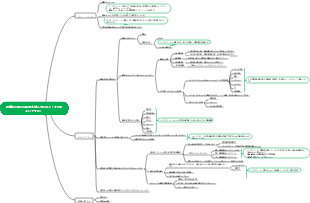
マインドマップギャラリー 出荷を確実にするための倉庫保管および集計部門の手順
これは、確実に出荷するための倉庫および集計部門の手順に関するマインド マップです。確実に出荷するための明確な手順により、倉庫および集計部門は秩序ある方法で商品の入出庫を処理し、混乱や間違いを減らし、全体の作業を改善できます。効率。
2024-02-17 15:23:32 に編集されましたThis template, created with EdrawMind, provides a structured workflow for weekly coordination meetings focused on MEP (Mechanical, Electrical, Plumbing) pipeline layout. It follows a four-stage cycle: starting with Issue Identification (Clash Detection) to detect pipeline conflicts, moving to Meeting Agenda preparation to define discussion topics, then On-site Discussion to review and resolve issues on the construction site, and finally Resolution & Update to document solutions and track progress. This template can be reused to standardize MEP coordination processes, ensuring clear communication, efficient problem-solving, and smooth construction progress.
This template, created with EdrawMind, outlines a quarterly checklist for preparing materials for green building certification. It is divided into four sequential quarters: Q1 focuses on Basic Material Preparation, including collecting project approval documents and compiling self-assessment reports; Q2 covers Technical Data Improvement, such as organizing energy consumption calculation books and preparing green construction proof materials; Q3 involves On-site Inspection Preparation, including organizing construction process materials and verifying certification standards; and Q4 is for Formal Application, which includes completing online reporting and cooperating with expert on-site reviews. This template can be reused to systematically prepare for green building certification, ensuring all requirements are met and the process is efficient.
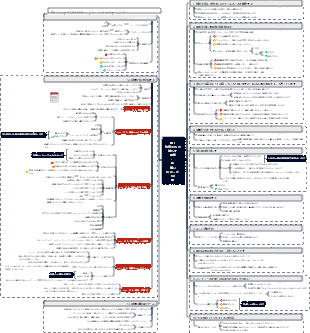
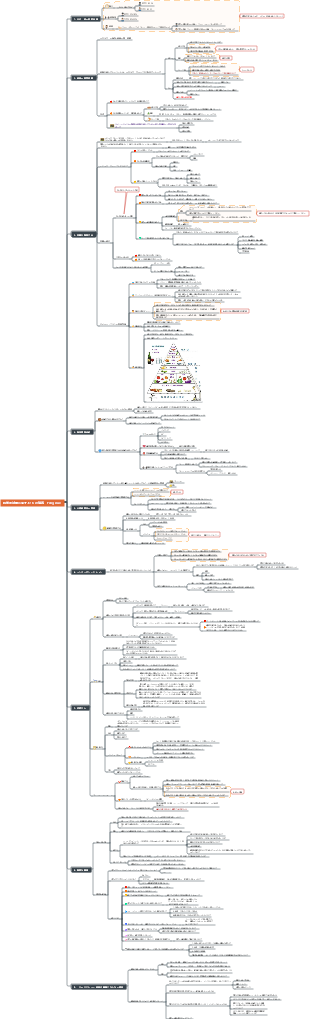
This template, created with EdrawMind, provides a comprehensive framework for daily monitoring of deep foundation pit construction. It covers six key monitoring areas: Retaining Wall Top Displacement, Settlement of Surrounding Buildings, Groundwater Level, Pit Bottom Heave, Support Axial Force, and Data Summary & Analysis. Each section specifies monitoring points, frequency, and warning values to ensure safety. The template can be reused to standardize monitoring practices, track structural stability, and trigger immediate alarms if warning thresholds are exceeded, thus mitigating risks during foundation pit construction.
This template, created with EdrawMind, provides a structured workflow for weekly coordination meetings focused on MEP (Mechanical, Electrical, Plumbing) pipeline layout. It follows a four-stage cycle: starting with Issue Identification (Clash Detection) to detect pipeline conflicts, moving to Meeting Agenda preparation to define discussion topics, then On-site Discussion to review and resolve issues on the construction site, and finally Resolution & Update to document solutions and track progress. This template can be reused to standardize MEP coordination processes, ensuring clear communication, efficient problem-solving, and smooth construction progress.
This template, created with EdrawMind, outlines a quarterly checklist for preparing materials for green building certification. It is divided into four sequential quarters: Q1 focuses on Basic Material Preparation, including collecting project approval documents and compiling self-assessment reports; Q2 covers Technical Data Improvement, such as organizing energy consumption calculation books and preparing green construction proof materials; Q3 involves On-site Inspection Preparation, including organizing construction process materials and verifying certification standards; and Q4 is for Formal Application, which includes completing online reporting and cooperating with expert on-site reviews. This template can be reused to systematically prepare for green building certification, ensuring all requirements are met and the process is efficient.
This template, created with EdrawMind, provides a comprehensive framework for daily monitoring of deep foundation pit construction. It covers six key monitoring areas: Retaining Wall Top Displacement, Settlement of Surrounding Buildings, Groundwater Level, Pit Bottom Heave, Support Axial Force, and Data Summary & Analysis. Each section specifies monitoring points, frequency, and warning values to ensure safety. The template can be reused to standardize monitoring practices, track structural stability, and trigger immediate alarms if warning thresholds are exceeded, thus mitigating risks during foundation pit construction.
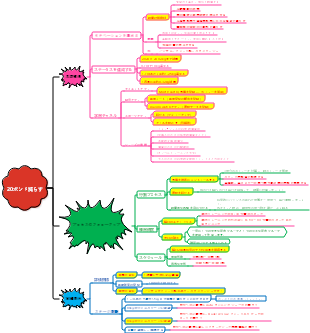
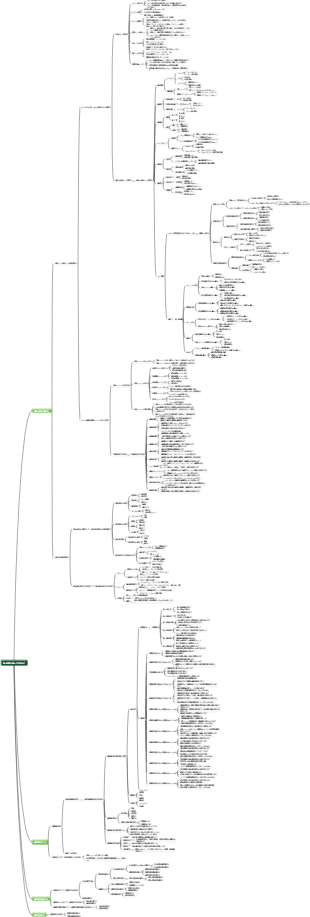
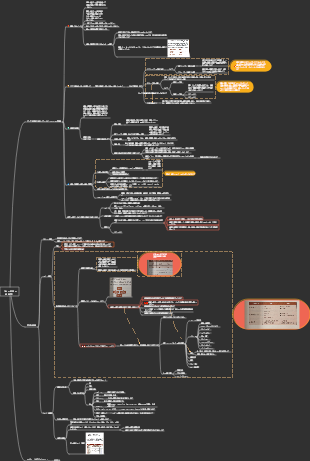
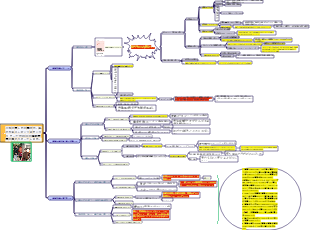
始める
入庫引き渡し命令
1.受注部門が注文を受け取ります。 2. 署名
最初の一歩
数量を確認する
1. ボードの枚数を確認します。 2. 梱包数を確認する
ステップ2
乗り換えフロア
1. バーコードを確認してフロアを確認します。 2.その後、対応するフロアに運びます
第三段階
地域リーダーの引き継ぎ
1. 地域担当者の引き継ぎ 2.指定された場所に移動して配置します
4番目のステップ
エリア確認
1. クロスコード、クロスカラー、クロスコードなどが存在するかどうかを確認します。 2.何か問題がある場合は、時間内に受信処理チームにご連絡ください。
5番目のステップ
数量を確認する
1. 品質、数量に問題がないことを確認します。 2.物品の保管を行います。
ステップ6
判定(ピッキング&保管)
1. ゼロピッキング位置に十分な商品があるかどうか。 2. ゼロピッキング位置が飽和していることを前提として、まず商品を保管する必要があります。
ステップ7
データベースをシェルフに移動する
1. 商品を倉庫に移動し、現在の物理量に応じて棚に置きます。 2. ライブラリをバッチで移動しないでください。
ステップ8
発売&完成
1. 在庫データの移動後、商品は対応する保管場所に配置されます。 2. 気軽に入れるのはNG。
仕上げる
ステップ9
季節商品の受け渡しと棚への並べ方