マインドマップギャラリー 細胞骨格の概要
細胞骨格は、細胞内の一連の動的構造ネットワークであり、タンパク質繊維で構成されており、細胞の形態、運動、分裂、シグナル伝達、物質輸送およびその他の生命活動において中心的な役割を果たしています。細胞骨格は細胞に機械的なサポートを提供するだけでなく、細胞内のさまざまな生化学的プロセスの調節にも関与します。
2024-02-04 18:42:08 に編集されましたThis template, created with EdrawMind, provides a structured workflow for weekly coordination meetings focused on MEP (Mechanical, Electrical, Plumbing) pipeline layout. It follows a four-stage cycle: starting with Issue Identification (Clash Detection) to detect pipeline conflicts, moving to Meeting Agenda preparation to define discussion topics, then On-site Discussion to review and resolve issues on the construction site, and finally Resolution & Update to document solutions and track progress. This template can be reused to standardize MEP coordination processes, ensuring clear communication, efficient problem-solving, and smooth construction progress.
This template, created with EdrawMind, outlines a quarterly checklist for preparing materials for green building certification. It is divided into four sequential quarters: Q1 focuses on Basic Material Preparation, including collecting project approval documents and compiling self-assessment reports; Q2 covers Technical Data Improvement, such as organizing energy consumption calculation books and preparing green construction proof materials; Q3 involves On-site Inspection Preparation, including organizing construction process materials and verifying certification standards; and Q4 is for Formal Application, which includes completing online reporting and cooperating with expert on-site reviews. This template can be reused to systematically prepare for green building certification, ensuring all requirements are met and the process is efficient.
This template, created with EdrawMind, provides a comprehensive framework for daily monitoring of deep foundation pit construction. It covers six key monitoring areas: Retaining Wall Top Displacement, Settlement of Surrounding Buildings, Groundwater Level, Pit Bottom Heave, Support Axial Force, and Data Summary & Analysis. Each section specifies monitoring points, frequency, and warning values to ensure safety. The template can be reused to standardize monitoring practices, track structural stability, and trigger immediate alarms if warning thresholds are exceeded, thus mitigating risks during foundation pit construction.
This template, created with EdrawMind, provides a structured workflow for weekly coordination meetings focused on MEP (Mechanical, Electrical, Plumbing) pipeline layout. It follows a four-stage cycle: starting with Issue Identification (Clash Detection) to detect pipeline conflicts, moving to Meeting Agenda preparation to define discussion topics, then On-site Discussion to review and resolve issues on the construction site, and finally Resolution & Update to document solutions and track progress. This template can be reused to standardize MEP coordination processes, ensuring clear communication, efficient problem-solving, and smooth construction progress.
This template, created with EdrawMind, outlines a quarterly checklist for preparing materials for green building certification. It is divided into four sequential quarters: Q1 focuses on Basic Material Preparation, including collecting project approval documents and compiling self-assessment reports; Q2 covers Technical Data Improvement, such as organizing energy consumption calculation books and preparing green construction proof materials; Q3 involves On-site Inspection Preparation, including organizing construction process materials and verifying certification standards; and Q4 is for Formal Application, which includes completing online reporting and cooperating with expert on-site reviews. This template can be reused to systematically prepare for green building certification, ensuring all requirements are met and the process is efficient.
This template, created with EdrawMind, provides a comprehensive framework for daily monitoring of deep foundation pit construction. It covers six key monitoring areas: Retaining Wall Top Displacement, Settlement of Surrounding Buildings, Groundwater Level, Pit Bottom Heave, Support Axial Force, and Data Summary & Analysis. Each section specifies monitoring points, frequency, and warning values to ensure safety. The template can be reused to standardize monitoring practices, track structural stability, and trigger immediate alarms if warning thresholds are exceeded, thus mitigating risks during foundation pit construction.
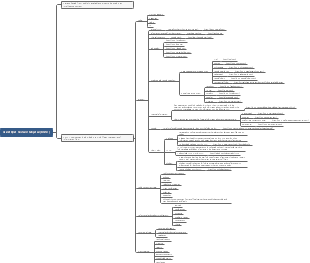
細胞骨格の概要
分類
微小管
構成: α-チューブリン サブユニットと β-チューブリン サブユニットで構成される動的多量体構造で、直径約 25 ナノメートルの管状構造を形成します。
ダイナミクス: 微小管は非常にダイナミクスが高く、細胞内で迅速に集合および解重合することができます。このダイナミックなバランスは細胞機能にとって重要です。
関数:
細胞分裂: 有糸分裂と減数分裂では、微小管が紡錘体を形成し、染色体の正確な分離を保証します。
細胞内輸送: 微小管は細胞内輸送トラックとして機能し、ダイニンやアクチンなどのモータータンパク質を介して細胞小器官や分子を輸送します。
細胞の形態:微小管は細胞の極性と形態の維持を助け、細胞の方向性のある増殖に関与します。
アクチンフィラメント
構成: アクチンモノマーの重合によって形成された直径約 7 ナノメートルのフィラメント。
動的: マイクロフィラメントは動的でもあり、機械的刺激や細胞からの信号に応じて迅速に組み立てたり分解したりすることができます。
関数:
細胞の移動: マイクロフィラメントは細胞の仮足の形成に関与し、細胞の端を前方に押し出して細胞移動を実現します。
筋肉の収縮: 筋肉細胞では、マイクロフィラメントがミオシンと相互作用して力を生成し、筋肉の収縮を実現します。
細胞内構造: マイクロフィラメントは細胞骨格の網目構造を形成し、細胞内の圧力と形態を維持します。
中間フィラメント
組成:ケラチン、ビメンチン、デスミンなどのさまざまなタンパク質で構成され、微小管とマイクロフィラメントの間の直径は約10ナノメートルです。
安定性: 中間フィラメントは細胞骨格の最も安定した構成要素であり、組み立てや解重合が容易ではありません。
関数:
構造サポート: 中間フィラメントは細胞に機械的強度を与え、伸びや圧縮に耐えます。
細胞結合: 中間フィラメントは、デスモソームやヘミデスモソームなどの細胞間結合構造の形成に関与します。
関数
形状の維持: 細胞骨格は、その構造を通じて細胞が特定の形状とサイズを維持できるようにサポートします。
動きと収縮:細胞骨格の動的な性質により、細胞は貪食、遊走、収縮などの動きをすることができます。
細胞分裂: 細胞周期中、細胞骨格は細胞分裂のプロセスをサポートするために再編成されます。
物質輸送: 細胞骨格は、細胞内の物質の効率的な分布を確保するための輸送ネットワークとして機能します。
シグナル伝達: 細胞骨格は細胞内外のシグナル伝達に関与し、細胞の挙動と運命に影響を与えます。
細胞間結合:中間フィラメントは、密着結合、接着結合、ギャップ結合などの細胞間構造の形成に関与し、組織構造を維持します。