Wondershare EdrawMind
マインドマップギャラリー 病態生理学 第 10 版 第 13 章 ショック
病態生理学 第 10 版 第 13 章 ショック
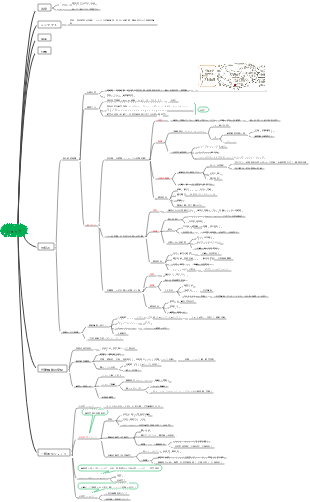
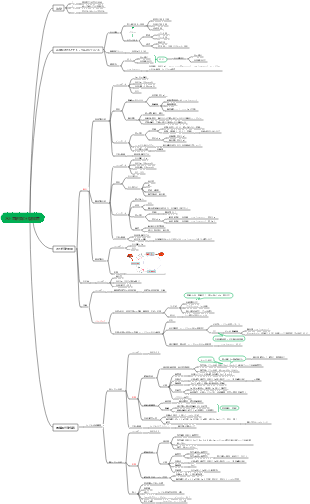
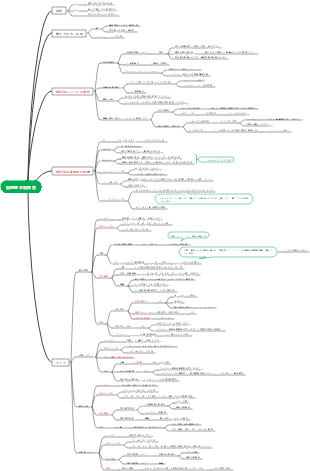
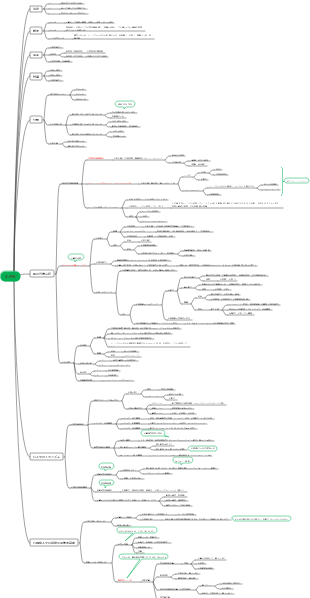
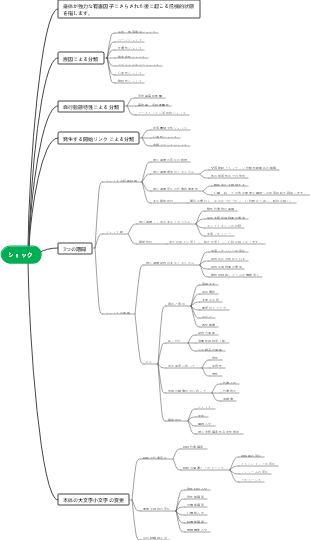
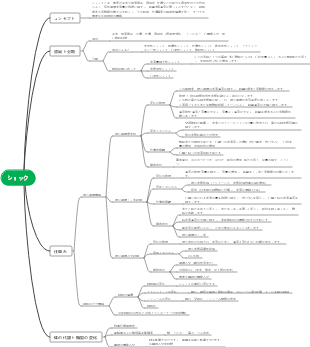
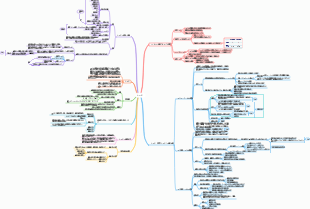
病態生理学第 10 版第 13 章ショック マインド マップ、ショックの定義: 体がさまざまな有害な要因に侵されたときに発生する病気で、体全体の有効循環血液量の減少、組織血液灌流の減少を特徴とします。次に、組織細胞の欠乏、血液、低酸素症、重要な臓器の機能、代謝障害の病理学的プロセス、および構造的損傷。
2024-11-28 14:26:15 に編集されました
- Human Resources Three-Pillar Annual Work Plan
This is a mind map about the annual work plan of the three pillars of human resources. The main contents include: strategic human resources planning, talent recruitment and allocation, employee performance management, employee training and development, employee relationships and communication, employee welfare and care, human resources information system construction, regulatory compliance and risk management, and organizational culture construction.
- Diagnosis and treatment of acute cerebral hemorrhage in patients with hemodialysis
This is a mind map for the diagnosis and treatment of acute cerebral hemorrhage in patients with hemodialysis. The annual incidence of acute cerebral hemorrhage in patients with hemodialysis is (3.0~10.3)/1000, and the main cause is hypertension. Compared with non-dialysis patients, the most common bleeding site is the basal ganglia area, accounting for 50% to 80%; but the bleeding volume is large and the prognosis is poor, and the mortality rate is 27% to 83%. Especially for patients with hematoma >50ml, hematoma enlarged or ventricular hemorrhage on the second day after onset, the prognosis is very poor.
- Comprehensive literacy of information technology
The logic is clear and the content is rich, covering many aspects of the information technology field. Provides a clear framework and guidance for learning and improving information technology capabilities.
病態生理学 第 10 版 第 13 章 ショック
- Human Resources Three-Pillar Annual Work Plan
This is a mind map about the annual work plan of the three pillars of human resources. The main contents include: strategic human resources planning, talent recruitment and allocation, employee performance management, employee training and development, employee relationships and communication, employee welfare and care, human resources information system construction, regulatory compliance and risk management, and organizational culture construction.
- Diagnosis and treatment of acute cerebral hemorrhage in patients with hemodialysis
This is a mind map for the diagnosis and treatment of acute cerebral hemorrhage in patients with hemodialysis. The annual incidence of acute cerebral hemorrhage in patients with hemodialysis is (3.0~10.3)/1000, and the main cause is hypertension. Compared with non-dialysis patients, the most common bleeding site is the basal ganglia area, accounting for 50% to 80%; but the bleeding volume is large and the prognosis is poor, and the mortality rate is 27% to 83%. Especially for patients with hematoma >50ml, hematoma enlarged or ventricular hemorrhage on the second day after onset, the prognosis is very poor.
- Comprehensive literacy of information technology
The logic is clear and the content is rich, covering many aspects of the information technology field. Provides a clear framework and guidance for learning and improving information technology capabilities.