 Wondershare EdrawMind
Galleria mappe mentale Psicologia dell'educazione - Capitolo 2 Sviluppo psicologico e differenze individuali ✓
- 12
Psicologia dell'educazione - Capitolo 2 Sviluppo psicologico e differenze individuali ✓
La combinazione di corsi Shanxiang e corsi superqualificati, mappa mentale completa, pedagogia, esami e qualifiche per l'insegnamento sono pieni di informazioni utili Gli amici bisognosi dovrebbero raccoglierle rapidamente!
Modificato alle 2024-03-13 10:20:41
- Microbiologia medica Infezione batterica e immunità
Microbiologia medica, Infezioni batteriche e immunità riassume e organizza i punti di conoscenza per aiutare gli studenti a comprendere e ricordare. Studia in modo più efficiente!
- teoria cinetica dei gas
La teoria cinetica dei gas rivela la natura microscopica dei fenomeni termici macroscopici e le leggi dei gas trovando la relazione tra quantità macroscopiche e quantità microscopiche. Dal punto di vista del movimento molecolare, vengono utilizzati metodi statistici per studiare le proprietà macroscopiche e modificare i modelli di movimento termico delle molecole di gas.
- Breve História do Tempo
Este é um mapa mental sobre uma breve história do tempo. "Uma Breve História do Tempo" é um trabalho científico popular com influência de longo alcance. Ele não apenas introduz os conceitos básicos da cosmologia e da relatividade, mas também discute os buracos negros e a expansão. Do universo. questões científicas de ponta, como inflação e teoria das cordas.
Psicologia dell'educazione - Capitolo 2 Sviluppo psicologico e differenze individuali ✓
- Microbiologia medica Infezione batterica e immunità
Microbiologia medica, Infezioni batteriche e immunità riassume e organizza i punti di conoscenza per aiutare gli studenti a comprendere e ricordare. Studia in modo più efficiente!
- teoria cinetica dei gas
La teoria cinetica dei gas rivela la natura microscopica dei fenomeni termici macroscopici e le leggi dei gas trovando la relazione tra quantità macroscopiche e quantità microscopiche. Dal punto di vista del movimento molecolare, vengono utilizzati metodi statistici per studiare le proprietà macroscopiche e modificare i modelli di movimento termico delle molecole di gas.
- Breve História do Tempo
Este é um mapa mental sobre uma breve história do tempo. "Uma Breve História do Tempo" é um trabalho científico popular com influência de longo alcance. Ele não apenas introduz os conceitos básicos da cosmologia e da relatividade, mas também discute os buracos negros e a expansão. Do universo. questões científicas de ponta, como inflação e teoria das cordas.
- Consigliato per te
- Profilo
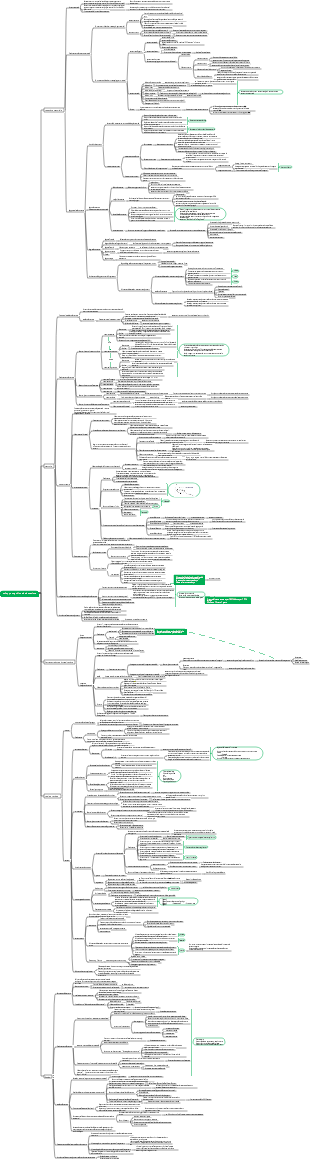
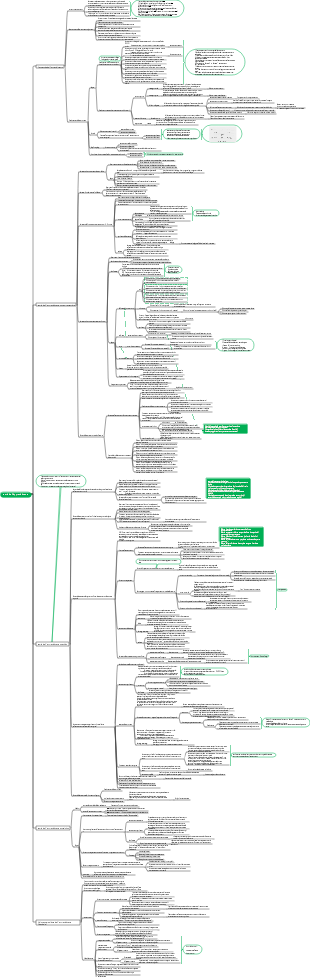


Sviluppo psicologico e differenze individuali
Panoramica dello sviluppo psicologico
sviluppare
sviluppo fisiologico
sviluppo psicologico
Sviluppo cognitivo (percepire, ricordare, pensare)
Sviluppo della personalità (temperamento, carattere, abilità)
Sviluppo sociale (relazione genitori-figli, relazione tra pari, relazione insegnante-studente)
Il concetto di sviluppo psicologico: una serie di cambiamenti psicologici che si verificano nel corso della vita di un individuo dalla nascita, alla maturità, all'invecchiamento e alla morte.
otto fasi dello sviluppo psicologico
Periodo infantile: da 0 a 1 anno
Infanzia: da 1 a 3 anni
Prima infanzia (periodo prescolare): da 3 a 6,7 anni - scuola dell'infanzia
Infanzia (prima età scolare): da 6,7 a 11,12 anni - scuola primaria
Adolescenza (età scuola media): da 11,12 a 14,15 anni – scuola media
Periodo di svezzamento psicologico, periodo pericoloso
Giovani: 14,15~25 anni
Prima adolescenza: 14,15~17,18 anni - scuola superiore
Tarda giovinezza: dai 17,18 ai 25 anni
Adolescenza: dai 12 ai 20 anni
Età adulta: dai 25 ai 65 anni
Vecchiaia: dopo i 65 anni
☆Caratteristiche fondamentali dello sviluppo psicologico (regole generali)
Continuità e fasi
Continuità (cambiamento quantitativo)
Stadio (cambiamento qualitativo) - età + caratteristiche = stadio
Non tagliarlo tutto in un’unica misura, cuocilo in una pentola
direzionalità e sequenza
Direzionalità (secondo una certa direzione) - irreversibile, da... a...; prima... poi...
Sequenzialità (irreversibile dal basso all'alto) - non può essere superata, non può essere utilizzata per incoraggiare la crescita e deve essere applicata al festival.
passo dopo passo
Squilibrio (intraindividuale)
Lo sviluppo psicologico mostra diversi modelli di sviluppo a causa delle differenze di velocità, tempo di arrivo e altezza finale.
C'è velocità e lentezza nello stesso aspetto, nella stessa funzione Aspetti diversi hanno prima o poi sistemi diversi
Due periodi ad alta velocità: periodo neonatale e adolescenza
Periodo critico (periodo sensibile)
Ecologo austriaco Lorenz - il fenomeno dell'imprinting animale (un anatroccolo riconosce la madre)
Questo è il periodo dello sviluppo individuale in cui le influenze ambientali giocano il ruolo maggiore.
Se perdi il periodo critico, svilupperai comunque e avrai bisogno di un apprendimento compensativo, ma otterrai il doppio del risultato con la metà dello sforzo - Wolf Boy
Periodi critici comuni: periodo del linguaggio orale e periodo di conteggio tra 2 e 3 anni, periodo di regolamentazione comportamentale tra 2,5 e 3,5 anni, Periodo di sviluppo del personaggio a 3 anni, periodo di sviluppo dell'immagine e visivo a 4 anni, linguaggio scritto a 4-5 anni
Differenze (tra le persone)
Aree di vantaggio di persone diverse e velocità di sviluppo di persone diverse
Complementarità e integrità, stabilità e variabilità
Fattori che influenzano lo sviluppo psicologico individuale
Ereditarietà: prerequisiti biologici e base materiale
Ambiente: Fornisce una varietà di possibilità Ambiente naturale e sociale
Educazione: il ruolo guida limita il processo, la direzione, l'andamento, la velocità e il grado di sviluppo psicologico
Iniziativa soggettiva individuale: il ruolo decisivo è la forza motrice interna dello sviluppo psicologico individuale
☆Caratteristiche dello sviluppo psicologico degli studenti delle scuole primarie e secondarie
Infanzia (prima età scolare) - scuola primaria
I quattro migliori: la crescita più rapida, il cambiamento più grande, la plasticità più forte e il periodo migliore per ricevere l’istruzione.
Quarta elementare, dai 10 agli 11 anni: Pensa ancora principalmente a immagini concrete, ma passa gradualmente al pensiero prevalentemente astratto
Adolescenza (età scolare media) - scuola media
Periodo di svezzamento psicologico, periodo pericoloso Caratteristiche: semi-maturo e semi-infantile
Le intricate contraddizioni tra indipendenza e dipendenza, coscienza e ingenuità
Domina il pensiero astratto e appare il pensiero riflessivo
Un salto qualitativo nella consapevolezza di sé; cambiamenti drastici nella condizione fisica; scoperta del mondo interiore; sviluppo dello spirito indipendente;
Prima giovinezza: scuola superiore
L'intelligenza si avvicina alla maturità, il pensiero logico astratto cambia da "empirico" a "teorico" e il pensiero dialettico comincia ad apparire
L’età dell’oro della memoria, quando l’immagine di sé è una preoccupazione senza precedenti
Pieno di ideali per il futuro, volontà ferma, azioni consapevoli e fantasia distaccata della vita
Caratteristiche generali
Transitorio (dall'infanzia alla maturità)
Bloccato (le attività mentali sono implicite e implicite)
Socialità (influenzata dalla cultura sociale)
Le implicazioni educative dello sviluppo psicologico degli studenti delle scuole primarie e secondarie
L’educazione deve basarsi su alcune caratteristiche dello sviluppo psicologico
☆Preparazione allo studio - Livello di sviluppo (fisiologico + psicologico).
La preparazione all'apprendimento si riferisce all'adattabilità del livello di sviluppo fisico e mentale di uno studente al nuovo apprendimento quando è impegnato in un nuovo apprendimento. I livelli e le caratteristiche dello sviluppo fisico e psicologico di un individuo che facilitano o impediscono l'apprendimento.
Rifornire
Sviluppo cognitivo ed educazione degli studenti
Piaget (Svizzera) Costruttivismo personale (sviluppo cognitivo)
Nucleo teorico: "epistemologia genetica" - lo sviluppo psicologico ha origine dall'azione, (azione ≈ esplorazione), l'azione è la fonte della percezione e la base del pensiero
Fattori che influenzano lo sviluppo cognitivo
① Maturità; ② Pratica ed esperienza ③ Equilibrio
L'essenza dello sviluppo cognitivo e intellettuale: il soggetto si adatta all'oggetto attraverso l'azione.
assimilazione
adattare
sviluppo cognitivo
Schema: formare la propria struttura cognitiva unica comprendendo il mondo
Tutto quello che sai del mondo
L'assimilazione - nessun cambiamento essenziale nella struttura cognitiva (cambiamento quantitativo) - può spiegare
Integrare cose nuove nelle strutture cognitive esistenti
L'accomodamento - cambiamento qualitativo nella struttura cognitiva (cambiamento qualitativo) - non può essere spiegato
Le novità cambiano le vecchie percezioni (tre visualizzazioni sono crollate)
Equilibrio - l '"equilibrio" tra assimilazione e adattamento - dinamico, costantemente costruito e migliorato
adattare Schema——————→Equilibrio Assimilare, adattare
fase di sviluppo cognitivo tangibile prima del senso (Osa firmare una superstar, 271)
fase sensomotoria (0~2 anni)
Permanenza dell'oggetto (da 9 a 12 mesi)
La produzione dell'imitazione ritardata
Intorno ai 18 mesi, i bambini possono ancora imitare dopo che il modello se ne è andato.
Le capacità di risoluzione dei problemi iniziano a svilupparsi
Affidati all'esercizio fisico per adattarti al mondo esterno
fase preoperatoria (2~7 anni)
egocentrico
Riesce a osservare e comprendere il mondo e a considerare i problemi solo dalla propria prospettiva, incapace di coordinare e accettare le prospettive degli altri
es. Esperimento delle Tre Montagne, nascondersi le orecchie e rubare la campana
ripetizione, monologo, monologo collettivo
monologo collettivo
Ogni bambino parla, ma non c'è comunicazione
Il pensiero è irreversibile
Pensiero unidirezionale, A→B ✓, B→A✗
diritto di non conservazione
Riesce a pensare in una sola dimensione (centralizzazione/stereotipizzazione), pensando che quando cambia l’apparenza delle cose, cambia anche l’essenza
Apprendimento precoce di funzioni/simboli del segnale (nello specifico)
Pensiero rappresentazionale accumulato
Ad esempio: se vuoi che i cookie dicano "secco", puoi utilizzare semplici simboli linguistici invece di oggetti fisici.
Animismo
Pensa che tutto sia vivo
Incapace di raddrizzare il rapporto tra il tutto e le parti
es: puoi rispondere "Ci sono più fiori rossi o fiori blu?", ma non puoi rispondere "Ci sono più fiori rossi o fiori blu?"
I fatti non possono essere dedotti
Guardando solo i fenomeni superficiali delle cose, senza conoscerne l'essenza profonda (la percezione è l'apparenza, il pensiero è l'essenza)
ad esempio: è buio, quindi penso che la bandiera rossa sia nera.
Ragionamento illogico/ragionamento di conduzione (sbagliato)
ad esempio: curvo - malato, raddrizzato - malato
Le attività cognitive sono concrete
Prima: nessuno operazioni: pensare Preoperatorio: nessun pensiero coinvolto
fase operativa concreta (7-11 anni)
I bambini nella fase delle operazioni concrete possono utilizzare il pensiero logico per risolvere i problemi, ma devono affidarsi al supporto di oggetti fisici o immagini intuitive e non possono eseguire operazioni puramente simboliche.
Decentrati
Un segno importante dello sviluppo sociale dei bambini
reversibilità del pensiero
Può essere dimostrato in direzione opposta
conservazione
Segnali importanti della fase operativa concreta
Cambia l’apparenza delle cose, ma restano immutati gli attributi unici ed essenziali (decentralizzazione, attenzione ai molteplici aspetti della situazione)
ad esempio: disegnare una mappa stradale
Classificazione
formare un sistema di classificazione
ad esempio: classificazione in bianco e nero, classificazione tonda e quadrata
numero di serie
prova ed errore
Esempio: disporre i bastoncini di legno di diversa lunghezza in ordine dal più lungo al più corto
Pensa in modo logico con l'aiuto di cose concrete
fase operativa formale (da 11 anni ad adulto) Lo sviluppo del pensiero tende a maturare
Ragionamento ipotetico-deduttivo
Esperimento del pendolo (i bambini in questo periodo possono riflettere e formulare diverse ipotesi sui fattori che influenzano la velocità del pendolo, quindi trarre conclusioni attraverso l'esperimento)
ragionamento per analogia
Questa relazione può essere compresa solo attraverso il pensiero riflessivo, non l’osservazione
ad esempio: cane - pelliccia; uccello - piume
Reversibilità e compensazione
Esperimento di equilibrio (se il fulcro si sposta fuori equilibrio, puoi rimuovere il peso o spostare il fulcro)
rapporto tra proposizioni
Capacità di pensiero proposizionale: esperimento con i chip (e—o?)
flessibilità di pensiero
Non rispettare più le regole e pensare che le regole possano essere cambiate
capacità riflessiva
In grado di elencare sistematicamente tutti i metodi per risolvere i problemi
Pensare con l'aiuto di simboli semantici astratti di varie cose
Vygotskij (costruzionismo sociale)
Teoria dello sviluppo "storico-culturale".
Enfasi sul ruolo della cultura sociale nello sviluppo cognitivo
teoria dei due strumenti
strumenti materiali
ad esempio: coltello di pietra, ascia di pietra, macchina
strumenti spirituali
ad esempio: simboli linguistici
due funzioni psicologiche
Funzioni psicologiche di basso livello (acquisite attraverso l'evoluzione biologica)
es: sensazione semplice, nessuna intenzione di prestare attenzione
Funzioni psicologiche avanzate (il risultato dello sviluppo culturale e storico)
Ad esempio: è mediato da strumenti spirituali, simboli linguistici, sviluppati nell'interazione dell'ambiente sociale ed è limitato dalla cultura e dalla storia umana.
L'essenza dello sviluppo psicologico: Impatti ambientali ed educativi Abilità psicologiche di basso livello————————————→Funzioni psicologiche di alto livello Convertire
Teoria dell’internalizzazione (l’idea centrale della visione di Vygotskij dello sviluppo psicologico)
L'essenza dello sviluppo psicologico: Impatti ambientali ed educativi Abilità psicologiche di basso livello————————————→Funzioni psicologiche di alto livello Convertire
Teoria dell'internalizzazione: la maggior parte dello sviluppo trae vantaggio dall'esterno-interno, ovvero gli individui si sviluppano assorbendo conoscenza dalle situazioni attraverso l'interiorizzazione.
Zona di sviluppo prossimale (ZPD)
Essenza: la zona di sviluppo prossimale è la differenza tra il livello di risoluzione dei problemi che un bambino può raggiungere con la guida e l'aiuto di un adulto (o di un coetaneo) e il livello che un bambino può raggiungere da solo. In realtà è uno stato transitorio tra due stadi di sviluppo adiacenti.
due livelli di sviluppo
Livello attuale dei bambini (livello di sviluppo effettivo)
Il livello di sviluppo che potrà essere raggiunto, il livello di sviluppo che verrà raggiunto (livello di sviluppo potenziale)
La differenza tra i due livelli costituisce la zona di sviluppo prossimale
"L'insegnamento dovrebbe essere in prima linea nello sviluppo"
Senso
L’insegnamento gioca un ruolo di primo piano nello sviluppo.
Determina il livello di contenuto, la velocità e le caratteristiche delle attività intellettuali dei bambini.
L'insegnamento crea la zona di sviluppo prossimale.
significato
Vygotsky ha sottolineato che l'insegnamento non dovrebbe adattarsi solo all'attuale livello di sviluppo, ma anche alla zona di sviluppo prossimale. Camminando così davanti allo sviluppo ed eventualmente attraversando la zona di sviluppo prossimale e raggiungendo un nuovo livello di sviluppo.
Il miglior periodo di apprendimento - i migliori risultati dell'insegnamento si verificano nella "zona di sviluppo prossimale"
insegnamento impalcato
Fornire supporto e guida mentre gli studenti tentano di risolvere problemi oltre il loro attuale livello cognitivo. Aiutali a superare con successo la zona di sviluppo prossimale e ad essere finalmente in grado di completare le attività in modo indipendente.
L'unico modo per tutorare gli studenti in modo tempestivo
① Installa una scala tra il livello esistente e il livello possibile. ②La guida dell’insegnante è molto importante. ③La guida dell’insegnante dovrebbe essere varia e alla fine raggiungere l’indipendenza.
Personalità e sviluppo sociale
Panoramica della personalità
Concetto: la personalità è una caratteristica psicologica globale che è stabile e unificata, determina il comportamento esplicito e implicito di un individuo e lo rende stabilmente diverso dal comportamento degli altri.
struttura
Temperamento, personalità (core), sistema di autoregolazione/consapevolezza di sé, stile cognitivo
caratteristica
Unicità: diversi, i cuori delle persone sono diversi, ognuno ha il proprio volto
Stabilità: coerenza nel tempo e nello spazio
Tempo: un paese è facile da cambiare, ma una natura è difficile da cambiare. Sembra più vecchia a tre anni e sembra più vecchia a sette anni
Spazio: si comporta allo stesso modo in tutte le situazioni
Integrazione: personalità sana vs personalità divisa
Componenti multipli sono internamente coerenti e ciascuna parte è combinata organicamente secondo determinate regole.
Funzionalità: il carattere determina il destino
Socialità: limitata dalle condizioni storiche
Ad esempio: le persone negli anni '70 erano stabili, mentre le persone negli anni '80 erano flessibili.
Complessità: molteplici aspetti coinvolti
es: Con un sopracciglio freddo e mille dita, china la testa ed è disposto a fare il prepotente
Come impostare l'equità speciale
Fattori che influenzano la formazione e lo sviluppo della personalità
fattori genetici biologici
fattori sociali
Stile genitoriale familiare – Baumning
Autoritario, indulgente, democratico
Autorevolezza: fiducia in se stessi, forte capacità di controllo, atteggiamento ottimista e positivo, diligente e laborioso Tipo autoritario: ansioso e chiuso, ostile verso gli altri, difficile adattarsi all'ambiente Tipo affettuoso: scarso autocontrollo, impulsivo, altamente dipendente, mancanza di perseveranza Tipo trascurante: difficoltà ad adattarsi al nuovo ambiente, scarso interesse, scarso autocontrollo, sfiducia negli altri
Due dimensioni: Requisiti: standard dei genitori per i loro figli Reattività: accettazione, amore e sensibilità verso i bisogni dei bambini
L'istruzione scolastica: orientamento e orientamento
Lewin: autoritario, laissez-faire, democratico
gruppo di pari
fattori soggettivi personali
cosciente
costituire
Conoscenza di sé (componente primaria della cognizione): autoosservazione e autovalutazione
Esperienza di sé (emozione): autostima e fiducia in se stessi
Automonitoraggio (componente volitiva comportamentale): controllo volitivo, autoesame, automonitoraggio, autoregolamentazione
① Osserva che sei grasso e pensa di esserlo ②Da qui il complesso di inferiorità ③Ho deciso di perdere peso, mangiare meno cibo e fare più esercizio fisico
sviluppare
Sé fisiologico (stadio egocentrico): matura intorno ai tre anni, la forma più primitiva (comprensione del sé da una prospettiva fisiologica)
Sé sociale (periodo di oggettivazione): fondamentalmente maturo nell'adolescenza e limitato dalle norme sociali
Passare gradualmente dalla valutazione degli adulti ingenui alla valutazione del sé indipendente
Scarsa capacità di autoregolamentazione, parole e azioni incoerenti
Il sé psicologico (periodo del sé soggettivo): inizia a formarsi e svilupparsi durante l'adolescenza
L'autovalutazione diventa sempre più obiettiva, giusta e completa, ha moralità sociale, forma un'autoideale e persegue gli obiettivi più preziosi e preziosi.
Sviluppo dell’autoconsapevolezza degli studenti
Scuola elementare: l’autocoscienza dei bambini appartiene al periodo di oggettivazione
Sviluppo rapido nei gradi da 1 a 3 (il primo periodo di crescita), sviluppo costante nei gradi da 3 a 5 e sviluppo accelerato nei gradi da 5 a 6 (il secondo periodo di crescita)
Scuola media: L’adolescenza è il secondo periodo balzo nello sviluppo della consapevolezza di sé (il primo periodo balzo è l’infanzia)
Appare un senso di età adulta, un senso di autostima aumenta e appare un senso di inferiorità.
Scuola superiore: lo sviluppo di idee indipendenti nell’autoconsapevolezza Il secondo anno di scuola superiore è la fase in cui generalmente migliorano tutte le componenti dell’autoconsapevolezza degli studenti.
figura rappresentativa
Freud
Personalità tre sé
Id (sé istintivo biologico)
principio del piacere
Sé (sé psicosociale)
principio di realtà
Il Sé, da un lato, regola l'Es, dall'altro è controllato dal Super-Io
Superego (sé ideale morale)
principi morali
fasi di sviluppo della personalità
Stadio orale (da 0 a 1 anno), stadio anale (da 1 a 3 anni), stadio genitale (da 3 a 6 anni) - Elettra ed Edipo Periodo di latenza (da 6 a 12 anni), stadio genitale (da 12 a 18 anni) - amore da cucciolo
Erikson, Teoria degli stadi dello sviluppo della personalità
Premessa: crisi dello sviluppo, compito dello sviluppo
otto tappe
Marcia
modello di stato identitario
Identità acquisita
Alta esplorazione, alto impegno
Ad esempio: trovare la direzione della vita in giovane età
ritardo dell’identità
Alta esplorazione, basso impegno
ad esempio: penso da molto tempo e non conosco la direzione della vita.
Sinostosi dell’identità (chiusura, rifiuto)
Bassa esplorazione, alto impegno
Ad esempio: provenendo da una famiglia ben istruita, la direzione della vita viene determinata presto, senza pensare.
Diffusione dell'identità (confusione)
Bassa esplorazione, basso impegno
es: confuso e non ha mai pensato alla direzione della vita
Esplorazione (crisi): cercare cosa fare Impegno: fissare obiettivi
differenze individuali
differenze di abilità cognitive (differenze di intelligenza)
Differenze individuali
Differenze nelle prestazioni dell'intelligenza tra mattina e sera
Intelligente e precoce VS a fioritura tardiva
Differenze nei livelli di sviluppo intellettuale
Distribuzione normale del livello di intelligenza/distribuzione normale/curva a campana
Sotto i 70 è indietro, sopra i 130 è straordinario, sopra i 140 è geniale.
Differenze nei tipi di sviluppo intellettuale
Ci sono differenze qualitative in vari fattori (percezione e mal d'amore): le arti liberali VS la scienza
Il tipo non indica il livello di intelligenza
differenze di gruppo
differenza d'età
Giovani contro anziani
differenze razziali
Ebreo
differenze di genere
Originato dalla cultura sociale
Il livello complessivo di intelligenza di uomini e donne è più o meno uguale
Grado di dispersione: Maschio>Femmina
Esistono differenze nella struttura intellettuale di uomini e donne e ognuno ha le proprie aree di vantaggio.
Differenze negli stili cognitivi (stile cognitivo)
Lo stile cognitivo/stile cognitivo si riferisce al metodo di elaborazione delle informazioni preferito dalle persone nelle attività cognitive, che influenza principalmente gli stili di apprendimento degli studenti.
Stile di apprendimento (secondo i canali sensoriali)
Visivo: leggere e prendere appunti
Tipo uditivo: ascoltare l'insegnante
Cinestesico – Esperimento
tipo
dipendenza dal campo
sulla base di riferimenti esterni
Facilmente suggestionabile, manca di iniziativa nell'apprendimento ed è dominato dalla motivazione esterna
Interessi e preferenze: Studi umanistici, scienze sociali
Adatto per un insegnamento rigorosamente strutturato - tipo conclusione
Bravo a cogliere l'insieme e preferisce un modo generale di percepire l'insieme
indipendenza dal campo
Basato su indizi interni
Pensa profondamente, impara in modo indipendente e lasciati governare dalla motivazione intrinseca
Interessi e preferenze: scienze, scienze naturali
Adatto per l'insegnamento liberamente strutturato - stile aperto
Mi piace analizzare dal tutto, come il modo analitico di percezione
Herman Witkin - Test della figura a mosaico, test di adattamento fisico
Tipo impulsivo: veloce, alto tasso di errore, pensiero olistico, elaborazione olistica (ricerca della velocità)
Tipo contemplativo: lentezza, basso tasso di errore, pensiero basato sui dettagli, elaborazione cauta e dettagliata (ricerca della precisione)
Jerome Kagan - Esperimenti sull'abbinamento di figure simili
Gordon Pask
Olistico: combina più attributi
Tipo seriale: un attributo per passaggio
Koller
divergente
Osservazione riflessiva + concreta - libertà di parola, discussione di gruppo
Aggregazione
Sperimentazione attiva + astrazione: applicare la teoria alla pratica
Tipo di assimilazione
Osservazione riflessiva + astrazione: ascolta le lezioni e interiorizza il contenuto astratto nel tuo
conforme
Esperimento attivo + calcestruzzo: indagine sul posto, lavoro di laboratorio
Tipo radiale: trova la risposta più adatta Divergenza: risposte multiple, idee creative
Guildford
differenze di personalità
Differenze caratteristiche nella personalità
allport
tratti comuni
I gruppi sotto la stessa forma culturale condividono caratteristiche comuni
ad esempio: gli abitanti di Shanghai sono avari
Qualità personali
Tratto primario - il tratto più tipico e generale di una persona (solo uno)
ad esempio: Lei Feng, disposto ad aiutare gli altri
Tratto centrale (importante) – Alcuni tratti importanti (da cinque a dieci) che costituiscono l’unicità di un individuo
ad esempio: Xiang Yu è testardo, ama i grandi risultati e non capisce bene le persone...
Tratti secondari: alcuni tratti meno importanti di un individuo (mostrati in circostanze speciali)
cartello
Caratteristiche superficiali: qualità che possono essere osservate direttamente dal comportamento esterno
Tratti radicali: le ragioni devono essere analizzate; le variabili latenti che determinano il comportamento esplicito sono l'essenza della personalità
Metodo di analisi fattoriale, 16 tratti radice indipendenti
differenze di tipo di personalità
teoria del tropismo
Estroversione Introversione - Jung
teoria della sottomissione indipendente
Indipendenza e sottomissione - Witkin
Tipo razionale (forte autocontrollo), tipo volontà (non influenzato dalle emozioni), tipo emotivo (influenzato dalle emozioni)
teoria dei tratti moderni