Wondershare EdrawMind
MindMap Gallery Quantitative Approach
Quantitative Approach
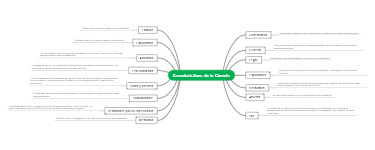
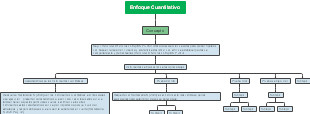
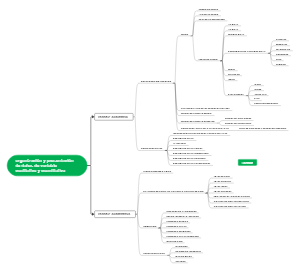
This clear quantitative methods mind map elaborately details the advantages and disadvantages of this approach. The advantages section discusses the precision, reproducibility, and objectivity of quantitative analysis, while the disadvantages point out potential limitations, such as difficulties in data collection and the risk of oversimplifying complex phenomena.
Edited at 2021-06-04 21:00:08
- Discourse Analysis
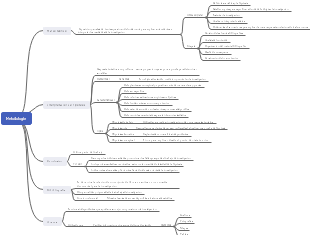
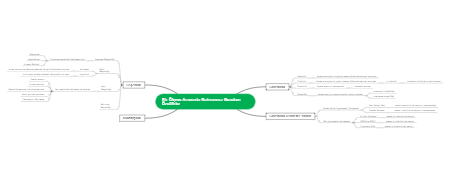
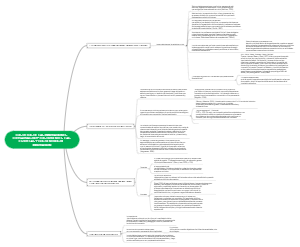
Discourse Analysis is an interdisciplinary approach to studying language use and communication. It focuses on the practical application of language in daily life, exploring the interactive relationship between language, context, and socio-cultural factors. Discourse analysis reveals the social, cultural, and psychological processes hidden behind language by delving into the structure, function, and meaning of discourse. Researchers in this field typically focus on the generation, dissemination, and understanding of discourse, exploring how language constructs and shapes social reality. Discourse analysis has been applied in multiple disciplines such as linguistics, sociology, psychology, and communication studies, and is of great significance for understanding human social interaction, media communication, and cross-cultural communication. Through discourse analysis, we can gain a deeper understanding of the complexity and diversity of language, as well as the role of language in social and cultural contexts. This is a mind map about what Discovery Analysis is. The map contains 11 main branches, namely: A brief historical overview, Form and function, Speech acts and course structures, The scope of course analysis, Spoken course models of analysis, Conversations outside the classroom, Talk as a social activity, Written course, Text and interpretation, Larger patterns in text, Conclusion. Each main branch has a detailed description of multi-level sub branches. Suitable for people interested in course analysis.
- Quantitative Approach
This clear quantitative methods mind map elaborately details the advantages and disadvantages of this approach. The advantages section discusses the precision, reproducibility, and objectivity of quantitative analysis, while the disadvantages point out potential limitations, such as difficulties in data collection and the risk of oversimplifying complex phenomena.
- Pedagogy - Basic Concepts and Curricular Theory
Pedagogy - Basic Concepts and Curricular Theory
Quantitative Approach
- Discourse Analysis
Discourse Analysis is an interdisciplinary approach to studying language use and communication. It focuses on the practical application of language in daily life, exploring the interactive relationship between language, context, and socio-cultural factors. Discourse analysis reveals the social, cultural, and psychological processes hidden behind language by delving into the structure, function, and meaning of discourse. Researchers in this field typically focus on the generation, dissemination, and understanding of discourse, exploring how language constructs and shapes social reality. Discourse analysis has been applied in multiple disciplines such as linguistics, sociology, psychology, and communication studies, and is of great significance for understanding human social interaction, media communication, and cross-cultural communication. Through discourse analysis, we can gain a deeper understanding of the complexity and diversity of language, as well as the role of language in social and cultural contexts. This is a mind map about what Discovery Analysis is. The map contains 11 main branches, namely: A brief historical overview, Form and function, Speech acts and course structures, The scope of course analysis, Spoken course models of analysis, Conversations outside the classroom, Talk as a social activity, Written course, Text and interpretation, Larger patterns in text, Conclusion. Each main branch has a detailed description of multi-level sub branches. Suitable for people interested in course analysis.
- Quantitative Approach
This clear quantitative methods mind map elaborately details the advantages and disadvantages of this approach. The advantages section discusses the precision, reproducibility, and objectivity of quantitative analysis, while the disadvantages point out potential limitations, such as difficulties in data collection and the risk of oversimplifying complex phenomena.
- Pedagogy - Basic Concepts and Curricular Theory
Pedagogy - Basic Concepts and Curricular Theory
- Recommended to you
- Outline