MindMap Gallery Efficient learning method Feynman learning method mind map
Learn Feynman's learning thinking and methods, possess excellent applied knowledge, export and create knowledge, and use knowledge to change the world. Students in need can save it.
Edited at 2021-06-27 13:27:12Efficient learning method - Feynman learning method
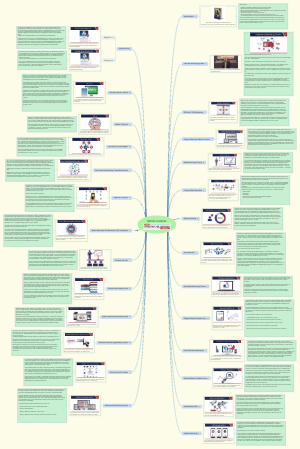
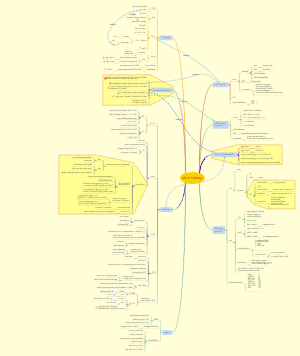
Set the right goals
Global view and overall concept
Goal matching experience, experience and past are just accumulation and tasks within a period of time
Shift focus
Clarify the focus of learning, formulate key goals, and devote limited energy to the most critical knowledge points
Targeted reinforcement
Focus on the key points through learning and deliberately strengthen the deficiencies
challenge
The goals should be of a certain degree of difficulty to stimulate curiosity and motivation to learn.
Discover and inspire potential
High standards and strict requirements, develop innovation, and sublimate understanding of knowledge and the world
Artificially lower the difficulty
Don’t let your goals be easily attained, don’t compromise easily and stop trying to deal with setbacks.
practical
Feasible goals are within the controllable range of capabilities and enhance confidence
Certain adjustability
As the environment and internal and external conditions change, learning goals must be adjusted to adapt to changes.
Reserve backup plan
Prepare multiple learning options and backup plans to be proactive
9 key points for setting goals
Dynamic nature of goals - it is unrealistic to stay focused for a long time - focus on the right goals during the golden time
Systematic understanding of knowledge
Classification comparison
Set up different settings to analyze knowledge from completely opposite angles
Expand reverse thinking and conduct comparison and verification
mind Mapping
Knowledge divergence, association and analysis to establish connections between knowledge
Extract the overall framework and develop internal logic
knowledge structure
The process of structuring and systematizing knowledge
Quickly and comprehensively understand or solve the problems faced
Three principles of systematization
Systematic thinking - understanding knowledge, summarizing, screening and analyzing knowledge - internalizing and applying it in practice
The output is powerful learning ability
Simple and easy to understand language
Test language organization
The ability to summarize essential knowledge
Accurate expression
Expound knowledge clearly and concisely, without any ambiguity
The point of view is deep
In-depth analysis and extension to illustrate the application and value of knowledge
Cognitive upgrade
Output promotes secondary learning of "key content" to deepen understanding and mastery
Teaching instead of learning
Review and Reflection
Doubt and explore
Explore the nature of knowledge and the problems behind it, be curious about the unknown, and have a skeptical spirit
Looking for counter-evidence
Weak links collect information from multiple sources and extract controversial opinions from confusion.
Increase “content retention rate”
Have "principle thinking" and invest in useful knowledge
Review Principles
Continuing the past and linking up with the future - clarifying the overall context of knowledge - obtaining a more comprehensive and true interpretation of the learning object
Simplify and absorb
Results oriented
Strengthen inspection of learning outcomes
Practical orientation
Collect knowledge and refine key points and key parts
divergent thinking
Collect the content and continue to carry out secondary and tertiary learning, expand into the depth of the problem, and generate original ideas
Don’t repeat learning
Delete and simplify learned content in a timely manner to retain effective learning
practice oriented
Online learning connects study and work to truly apply what you have learned
growth oriented
There are plans to absorb updated knowledge, skills, and experiences to build a complete knowledge system
6 elements of system development
Fragmented knowledge, greed for too much but not enough - efficient absorption - systematic development and utilization