MindMap Gallery Common market positioning strategies
This is a mind map about common market positioning strategies. It tells stories about common market positioning strategies. If you are interested in stories about common market positioning strategies, please feel free to collect and like this mind map~
Edited at 2022-10-29 23:15:22Common market positioning strategies
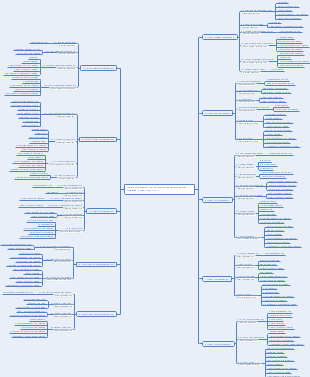
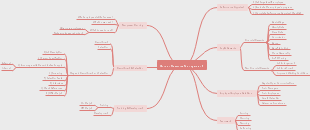
Product Features Differentiation
Product features
Product performance indicators: including product durability, reliability, speed, etc.
Product design and appearance: including product appearance, materials, colors, etc.
Unique features of the product: including special features or innovative features of the product.
Product and service differentiation
After-sales service: including warranty period, door-to-door service, technical support, etc.
Customer care: including regular return visits, problem solving, complaint handling, etc.
Personalized customization: including providing personalized products or services based on customer needs.
Product brand image differentiation
Brand visibility and recognition: including brand reputation and user reputation.
Brand value proposition: including the values and concepts represented by the brand.
Brand story and heritage: including the history and story of the brand.
cost leadership positioning strategy
economies of scale
Expansion of production scale: including cost reduction, efficiency improvement, etc.
Supply chain optimization: including optimization of logistics, procurement and production.
Production cost control
Raw material procurement costs: including finding low-price suppliers, reasonable procurement planning, etc.
Efficiency control of the production process: including process improvement, equipment optimization, etc.
Human resource costs: including employee training, use of outsourcing, etc.
Product simplification and standardization
Simplification of product design: including simplification of functions and structure.
Product standardization: including common components and modular design.
Focus on market segmentation and positioning strategies
Geographical segmentation
Countries and regions: including domestic and foreign markets, and markets in different geographical regions.
Cities and towns: including large cities, small and medium-sized cities and rural markets.
Demographic segmentation
Age and Gender: Includes consumers of different age groups and genders.
Income and occupation: including high-income people, low- and middle-income people and people with different occupations.
Interests and values: Includes people with specific interests and values.
Product demand segmentation
Product functional needs: including consumers who meet different functional needs.
Product price demand: including consumers who pursue cost-effective or high-end products.
Product experience needs: including consumers seeking unique experiences or luxury goods.
Global market positioning strategy
International market selection
Market size and growth potential: including options from developed and emerging markets.
Market openness and policy environment: including trade barriers and government policies and regulations.
Cultural differences and consumption habits: including cultural differences in different countries and regions.
International brand positioning
Brand consistency and adaptability: including the consistency and adaptability of brand image in different countries.
Brand culture and values: including the communication effect of the brand in different cultural backgrounds.
Product and service customization: including customizing products and services according to the needs of different countries.