Wondershare EdrawMind
MindMap Gallery The History of the Constitutions of the Philippines
The History of the Constitutions of the Philippines
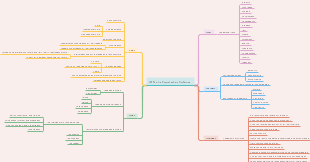
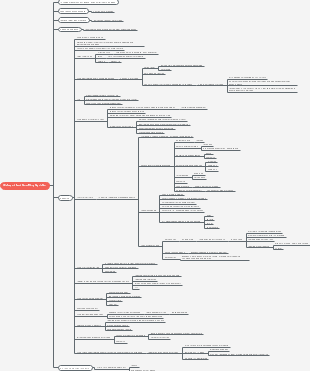
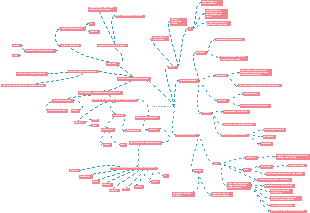
The history of the constitutions of the Philippines reflects the country's complex political evolution, marked by periods of colonization, independence, and political transition. This visual representation can provide a comprehensive overview of the historical and legal dimensions of the Philippine constitutions, making it a valuable tool for students, historians, legal scholars, and anyone interested in understanding the country's constitutional journey.
Edited at 2021-11-05 03:37:11- National Dairy Authority Organizational Chart
The National Dairy Authority (NDA) is a government agency in the Philippines that is responsible for developing and promoting the country's dairy industry. It was established to help achieve self-sufficiency in milk and dairy production, reduce the country's dependence on imported dairy products, and improve the livelihood of dairy farmers.
- The History of the Constitutions of the Philippines
The history of the constitutions of the Philippines reflects the country's complex political evolution, marked by periods of colonization, independence, and political transition. This visual representation can provide a comprehensive overview of the historical and legal dimensions of the Philippine constitutions, making it a valuable tool for students, historians, legal scholars, and anyone interested in understanding the country's constitutional journey.
The History of the Constitutions of the Philippines
- National Dairy Authority Organizational Chart
The National Dairy Authority (NDA) is a government agency in the Philippines that is responsible for developing and promoting the country's dairy industry. It was established to help achieve self-sufficiency in milk and dairy production, reduce the country's dependence on imported dairy products, and improve the livelihood of dairy farmers.
- The History of the Constitutions of the Philippines
The history of the constitutions of the Philippines reflects the country's complex political evolution, marked by periods of colonization, independence, and political transition. This visual representation can provide a comprehensive overview of the historical and legal dimensions of the Philippine constitutions, making it a valuable tool for students, historians, legal scholars, and anyone interested in understanding the country's constitutional journey.
- Recommended to you
- Outline