characteristics of types of equity securities
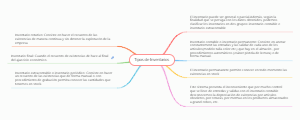
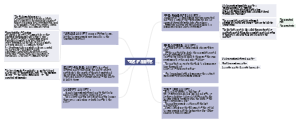
Common shares
ownership interest in a company
Preference shares
cumulative preference shares
Unpaid dividends accrue and must be paid in full before dividends on common shares can be paid
noncumulative preference shares
Dividends that are not paid in the current or subsequent periods are forfeited
Participating preference shares
Receive the standard preferred dividend plus the opportunity to receive an additional dividend if the company’s profits exceed a pre-specified level
Non-participating preference shares
Receive only a fixed dividend payment and the par value of the shares in the event of liquidation
Convertible preference shares
Convert their shares into a specified number of common shares
differences in voting rights and other ownershipcharacteristics among different equity classes
vote by proxy
designated party to vote on the shareholders’ behalf.
statutory voting
each share represents one vote
cumulative voting
allows shareholders to direct their total voting rights to specific candidates,
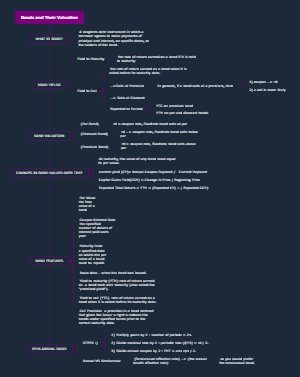
Public and private equity securities
Private equity securities
issued primarily to institutional investors via non-public offerings, such as private placements
do not have “market determined” quoted prices
require negotiations between investors in order to be traded
Types of private equity investments
Venture capital : investments provide start-up capital to companies that are in the early stages of development and require additional capital for expansion
leveraged buyout (LBO): when a group of investors uses a large amount of debt topurchase all of the outstanding common shares of a publicly traded company.
management buyout (MBO): group of investors acquiring the company is primarily comprised of the company’s existing management
private investment in public equity: public company that needs capital quickly sells private equity to investors
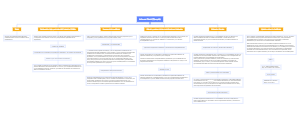
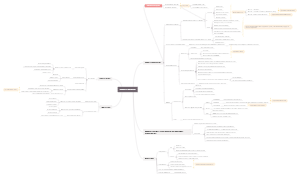
describe methods for investing in non-domestic equity securities
Direct Investing
buy and sell securities directly in foreign markets
Depository Receipts
allows the publicly listed shares of a foreign company to be traded on an exchange outside its domestic market
Global Depository Receipt
issued outside of the company’s home country
and outside of the United States
depository bank that issues GDRs is generally located (or has branches) in the countries on whose exchanges the shares are traded.
American Depository Receipt
US dollar-denominated security that trades like a common share on US exchanges.
enable foreign companies to raise capital from US investors.
Global Registered Share
common share that is traded on different stock
exchanges around the world in different currencies.
compare the risk and return characteristics of different types of equity securities
non-dividend-paying stocks
Dividend paying stock
change (or capital gain) and dividend income
risk of any security is based on the uncertainty of its future cash flows
The greater
the uncertainty of its future cash flows, the greater the risk and the more variable or
volatile the security’s price.
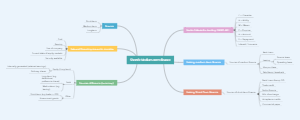
explain the role of equity securities in the financing of acompany’s assets
raise capital and increase liquidity
finance the company’s revenue-generating activities in order to increase its net income and maximize the wealth of its shareholders.
contrast the market value and book value of equity securities
Book Value
The difference between its total assets and total liabilities
Market Value
Reflects the collective and differing expectations of investors concerning the amount
compare a company’s cost of equity, its (accounting) return on equity, and investors’ required rates of return.
Return on Equity
total amount of net income available to common shareholders generated by the total equity capital invested in the company.
Cost of Equity
cost associated with the capital that is raised.
dividend discount model (DDM)
capital asset pricing model (CAPM)
Investor's Required Return
Investors require a return on the funds they provide to the company
 Wondershare EdrawMind