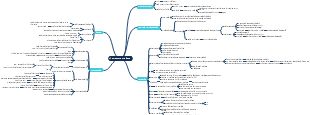
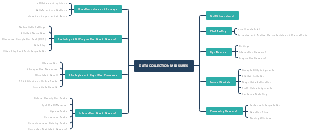
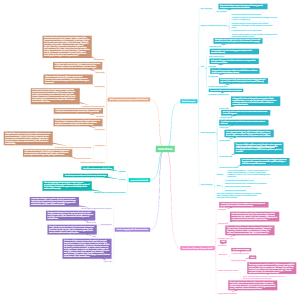
- Networks are computer clusters.- A network server delivers network services to client computers.- Gateways and routers can connect local area networks (LANs) to build a wide area network (WAN).- LANs and WANs can connect to the Internet through a server that offers Internet software and data access.- Divided into 2; Internet Addresses and TCP/IP
Internet Addresses- Domain Naming System (DNS) assigns Internet-connected computers names and addresses.- Top-level domains (TLDs) were created as Internet classifications.- Political borders determine the two-letter US domain.- IP addresses are four digits separated by periods.
TCP/IP- Internet communication uses Transmission Control Protocol (TCP) and Internet Protocol (IP).- TCP breaks up Internet data into packets.- Data packets include the recipient computer's address, a sequence number, and error correction information.- IP sends packets along a route.
telephone dial-up account and modem, cable modem, or Digital Subscriber Line (DSL) needed for network connection through Internet service provider (ISP).
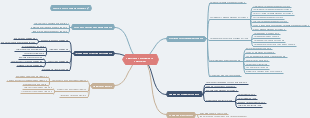
- Bandwidth is measured in bits per second (bps).- More bandwidth means faster uploading and downloading.- Low-bandwidth modems slow Internet multimedia transmission.
Strategies to prevent bandwidth bottlenecks:- Compress data before transmitting.- Users must download data once and store it on the hard drive.- Create compact multimedia. - Design low- and high-bandwidth navigation paths for all users.- Apply incremental streaming.
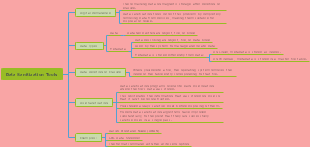
- Internet services include Hypertext Transfer Protocol (HTTP) and Post Office Protocol (POP).- https, ftp, gopher, usenet, telnet, Internet Relay Chat (IRC), the Simple Mail Transport Protocol (SMTP), and mud are other Internet services.
- Recognisable documents and formats require Internet multimedia.- MIME (Multipurpose Internet Mail Extensions) is a list of file name extensions.- It indicates the data type and purpose.
 Wondershare EdrawMind