Wondershare EdrawMind
MindMap Gallery Antibiotic Resistance Explained
Antibiotic Resistance Explained
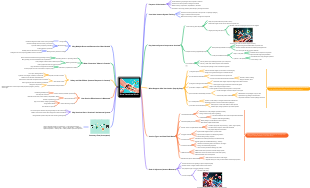
Antibiotic Resistance Explained is a comprehensive guide for students, healthcare professionals, and public health researchers, understanding the mechanisms, transmission, and mitigation strategies of antimicrobial resistance. This framework explores five core dimensions: What Is Antibiotic Resistance resolves bacteria surviving antibiotic exposure, rendering standard treatments ineffective—leading to persistent infections, increased transmission, elevated mortality. How Bacteria Become Resistant (Mechanisms) teases out four core dimensions: drug inactivation (enzymes degrading antibiotics), target modification (altering binding sites), efflux pumps (pumping drugs out), permeability barriers (reducing drug entry). Evolution and Spread explores resistance gene emergence through mutation and horizontal gene transfer (plasmids, transposons, integrins) across healthcare settings, agriculture, environment. Common Resistant Bacteria lists notable superbugs: MRSA, VRE, ESBL-producing Enterobacteriaceae, CRE, MDR-TB. Detection and Monitoring susceptibility testing, genomic surveillance, global monitoring networks (GLASS). Prevention and Mitigation explores prudent antibiotic use, infection prevention/control, novel antibiotic R&D, vaccines/alternatives, agricultural stewardship, global collaboration. This guide enables systematic grasp of antibiotic resistance as a global public health crisis—its scientific essence and response pathways.
Edited at 2026-03-20 01:42:51
- Recommended to you
- Outline