Галерея диаграмм связей Uganda History Timeline
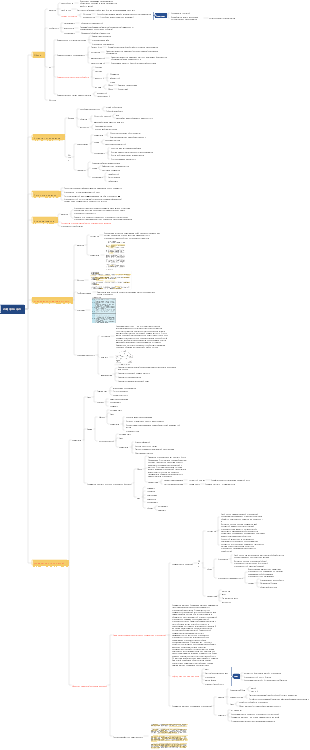
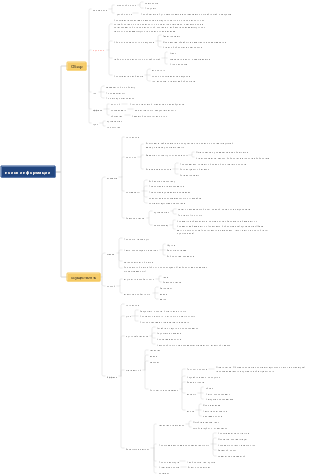
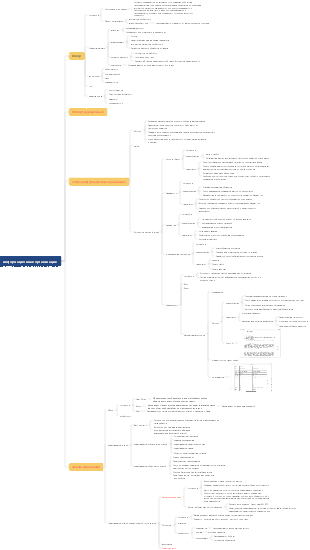
The Uganda History Timeline is a systematic review tool for history researchers, students, and culture enthusiasts, comprehensively presenting this East African Great Lakes nation’s long evolution from prehistoric settlement through Bantu expansion, classical kingdoms, to modern statehood. This timeline organizes key periods: Prehistory & Early Human Settlement (c. 100,000 BCE–500 CE) traces early human presence in Great Lakes region, hunter-gatherer lifestyles; c. 3000–1000 BCE transition toward food production, more permanent settlements emerge; c. 1000 BCE–500 CE ironworking and pottery spread, regional trade and social complexity increase. Migrations, Ethnogenesis & Early Polities (c. 500–1200) Analysis c. 500–1000 Bantu-speaking expansion; agriculture (banana/plantain in some areas) and ironworking support population growth; c. 800–1200 Nilotic and Central Sudanic-speaking groups consolidate in north and east; clan systems and local chiefdoms develop; c. 1000–1200 long-distance exchange networks grow across the Great Lakes (salt, iron, livestock, barkcloth, ceramics). Classical Kingdoms of the Great Lakes (c. 1200–1700) records c. 1200–1400 centralized kingdoms consolidate; hereditary kingship and court institutions emerge; c. 1300–1600 Bunyoro-Kitara rises as major regional power via alliances, tribute, and resource control; c. 1400–1700 Buganda strengthens; Kabaka institution, clan organization, and administration evolve; c. 1500–1700 Ankole and Busoga (and other polities) consolidate; Modern Uganda (1800s–present) examines 19th-century Arab and European contact, 1894 British protectorate established, 1962 independence, Amin era (1971–1979), post-conflict recovery, and contemporary political-economic development. This timeline captures Uganda’s unique trajectory as a Great Lakes ancient civilization heartland, revealing deep intersections of classical kingdom heritage, colonial legacy, and post-colonial nation-building.
Отредактировано в 2026-03-20 02:32:22