Wondershare EdrawMind
MindMap Gallery HRM Environment Interactions with Business Ecosystems
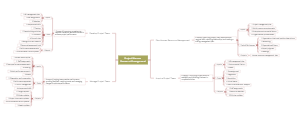
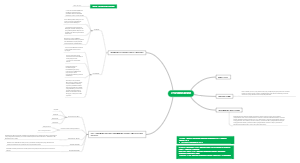
HRM Environment Interactions with Business Ecosystems
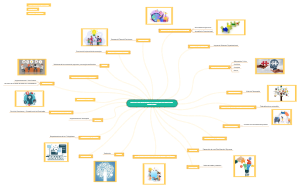
This comprehensive mind map provides an intricate view of the Human Resource Management (HRM) environment, illustrating its influence and interaction with both internal and external business ecosystems. It covers a range of factors from organizational culture and mission to economic cycles and socio-cultural influences that affect HR policies. The diagram highlights the foundational elements of the business environment, such as the economy, technology, and governmental agencies, while also addressing modern challenges like intellectual economy and e-commerce. This visualization is an invaluable resource for understanding the multifaceted nature of HRM and strategic business planning.
Edited at 2022-10-10 16:05:31
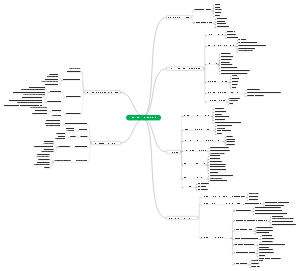
- Employee Compensation And Benefits Mind Map
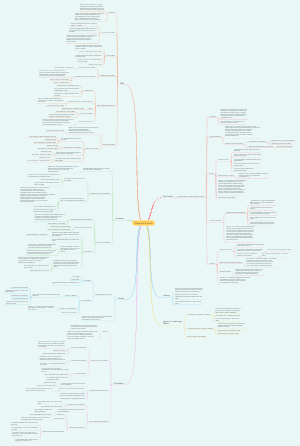
A mind map of employee compensation and benefits can help employers understand how different aspects of their workplace compensation packages relate to one another. This type of mapping can provide insights into which particular benefits are best for motivating and retaining employees, ensuring compliance with laws and regulations, or creating an overall competitive edge within the marketplace. A mind map is a visual tool that indicates a relationship between the goals of the employer in providing employee benefits and potential solutions to reach these objectives. As you can see from this mind map, creating an employee benefit mind map can be extremely helpful in outlining and understanding the various compensation and benefits available to employees. This could include items such as paid leave, health insurance, retirement options, and other perks. Having a comprehensive picture of what is offered makes it easier for both employers and employees to understand their obligations and considerations when it comes to creating balanced policies for everyone’s benefit. With EdrawMind, you can create a similar mind map for your company.
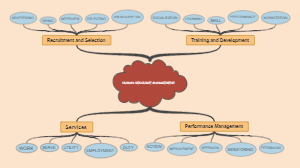
- Performance Management Mind Map
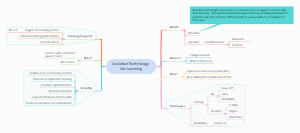
A performance management mind map is a graphical representation of the process of performance management. It can provide an effective tool for visualizing important aspects of the process and making connections between them, allowing organizations to more effectively plan and track their performance. Performance management mind maps typically include things like goals, objectives, team members, and strategies, as well as activities such as goal setting, tracking progress, giving feedback, and assessing results. Mapping out these elements in a visually appealing way, it can help organizations to better understand their performance management needs. With the help of EdrawMind, you can easily create similar mind maps for your projects.
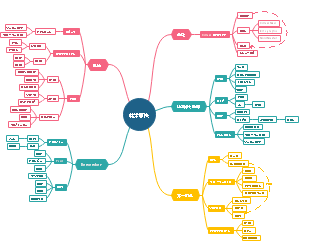
- Types of Selection Method Standards Mind Map
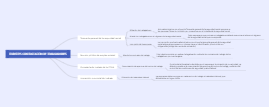
A selection method standards and types of selection methods mind map is a diagram showing the various standards for selecting candidates for a job and the different types of selection methods that can be used. It serves as a visual aid to help organizations make well-informed decisions when selecting candidates for a role. It can also be used to compare different selection methods, looking at the strengths and weaknesses of each in order to determine which method would be best suited for the needs of the organization. Use EdrawMind to create mind maps for your academic and professional requirements. With EdrawMind, you do not need technical expertise to create detailed mind maps.
HRM Environment Interactions with Business Ecosystems
- Employee Compensation And Benefits Mind Map
A mind map of employee compensation and benefits can help employers understand how different aspects of their workplace compensation packages relate to one another. This type of mapping can provide insights into which particular benefits are best for motivating and retaining employees, ensuring compliance with laws and regulations, or creating an overall competitive edge within the marketplace. A mind map is a visual tool that indicates a relationship between the goals of the employer in providing employee benefits and potential solutions to reach these objectives. As you can see from this mind map, creating an employee benefit mind map can be extremely helpful in outlining and understanding the various compensation and benefits available to employees. This could include items such as paid leave, health insurance, retirement options, and other perks. Having a comprehensive picture of what is offered makes it easier for both employers and employees to understand their obligations and considerations when it comes to creating balanced policies for everyone’s benefit. With EdrawMind, you can create a similar mind map for your company.
- Performance Management Mind Map
A performance management mind map is a graphical representation of the process of performance management. It can provide an effective tool for visualizing important aspects of the process and making connections between them, allowing organizations to more effectively plan and track their performance. Performance management mind maps typically include things like goals, objectives, team members, and strategies, as well as activities such as goal setting, tracking progress, giving feedback, and assessing results. Mapping out these elements in a visually appealing way, it can help organizations to better understand their performance management needs. With the help of EdrawMind, you can easily create similar mind maps for your projects.
- Types of Selection Method Standards Mind Map
A selection method standards and types of selection methods mind map is a diagram showing the various standards for selecting candidates for a job and the different types of selection methods that can be used. It serves as a visual aid to help organizations make well-informed decisions when selecting candidates for a role. It can also be used to compare different selection methods, looking at the strengths and weaknesses of each in order to determine which method would be best suited for the needs of the organization. Use EdrawMind to create mind maps for your academic and professional requirements. With EdrawMind, you do not need technical expertise to create detailed mind maps.
- Recommended to you
- Outline