Wondershare EdrawMind
MindMap Gallery Pharmacodynamic Drug Interaction Mind Map
Pharmacodynamic Drug Interaction Mind Map
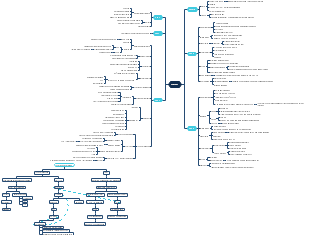
A pharmacodynamic drug interaction occurs when two drugs interact with the same receptor or enzyme, resulting in the enhancement or inhibition of one or both drugs’ biological effects. For example, if two antipsychotics are taken at the same time, they may have an additive, synergistic, or even antagonistic effect due to their competing interactions with the same receptor. In some cases, this can lead to increased side effects and toxicity. As you can see from this attached mind map, pharmacodynamic drug interactions refer to the effect of one drug, either alone or in combination with another, on the pharmacological action of a different drug. These types of drug interactions can be divided into three categories: synergistic, additive, and antagonistic. In a synergistic interaction, two drugs combined together produce a greater overall effect than if either drug were used alone. An additive interaction occurs when two drugs have additive effects when used together and produce an effect similar to taking either drug alone at higher doses. An antagonistic interaction occurs when two drugs are administered together, but their combined effect is less than the sum of the effects produced by each individual drug. EdrawMind lets you create similar mind maps by providing you with best-in-class style options and themes.
Edited at 2022-11-08 20:42:37
- Recommended to you
- Outline