Wondershare EdrawMind
MindMap Gallery Metabolism of Nucleotides
Metabolism of Nucleotides
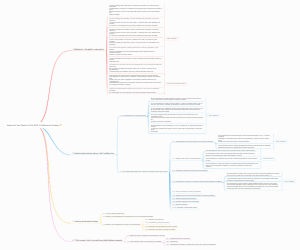
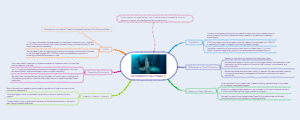
This is a mind map about the metabolism of nucleotides. A nucleotide is the basic building block of nucleic acids (RNA and DNA).
Edited at 2022-11-27 19:09:06
- Organ Function Tests
This mind map aims to explore the diverse range of organ function tests, mapping out the key organs that are commonly evaluated and the specific tests used to assess their functionality. By evaluating the levels of specific substances, enzymes, hormones, or other markers in the body, organ function tests help healthcare professionals gain a comprehensive understanding of organ health and identify any potential abnormalities.
- Metabolism of Xenobiotics (Detoxication) Mind Map
A Metabolism of Xenobiotics (Detoxication) mind map is a visual representation that helps to explain and illustrate the process of detoxification. It involves breaking down harmful foreign substances, or xenobiotics, into non-toxic forms so they can be eliminated from the body. The mind map displays relevant information, such as different enzymes and pathways involved in the process. This tool is useful for providing an overall picture of how xenobiotics are processed in the body in order to facilitate a better understanding and management of drug toxicity. As you can see from the attached mind map, the metabolic detoxification of xenobiotics involves a series of biochemical reactions that convert foreign compounds into more easily excreted molecules. This process can be represented in the form of a mind map, where each reaction is represented as an individual node connected by arrows to other related nodes. The interconnected structure of this mindmap allows for easy navigation between related topics and provides a visual representation of the different steps involved in metabolic detoxification. EdrawMind is the best mind-mapping tool for creating similar mind maps.
- Prostaglandins Function Mind Map
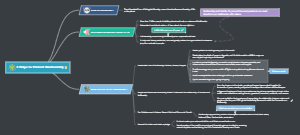
Prostaglandins are a class of lipids that are derived from fatty acids and function as signaling molecules in the body. Their actions can be categorized into four main categories: regulating inflammatory responses, protecting cells from oxidative damage, participating in wound healing and tissue repair, and controlling vital functions like blood pressure, fertility, and labor. A mind map is an effective visual representation of the role of prostaglandins in these various areas. It typically consists of a central hub with branches radiating outward to organize identifying factors related to prostaglandins. Use EdrawMind to create similar mind maps for your personal and professional requirements.
Metabolism of Nucleotides
- Organ Function Tests
This mind map aims to explore the diverse range of organ function tests, mapping out the key organs that are commonly evaluated and the specific tests used to assess their functionality. By evaluating the levels of specific substances, enzymes, hormones, or other markers in the body, organ function tests help healthcare professionals gain a comprehensive understanding of organ health and identify any potential abnormalities.
- Metabolism of Xenobiotics (Detoxication) Mind Map
A Metabolism of Xenobiotics (Detoxication) mind map is a visual representation that helps to explain and illustrate the process of detoxification. It involves breaking down harmful foreign substances, or xenobiotics, into non-toxic forms so they can be eliminated from the body. The mind map displays relevant information, such as different enzymes and pathways involved in the process. This tool is useful for providing an overall picture of how xenobiotics are processed in the body in order to facilitate a better understanding and management of drug toxicity. As you can see from the attached mind map, the metabolic detoxification of xenobiotics involves a series of biochemical reactions that convert foreign compounds into more easily excreted molecules. This process can be represented in the form of a mind map, where each reaction is represented as an individual node connected by arrows to other related nodes. The interconnected structure of this mindmap allows for easy navigation between related topics and provides a visual representation of the different steps involved in metabolic detoxification. EdrawMind is the best mind-mapping tool for creating similar mind maps.
- Prostaglandins Function Mind Map
Prostaglandins are a class of lipids that are derived from fatty acids and function as signaling molecules in the body. Their actions can be categorized into four main categories: regulating inflammatory responses, protecting cells from oxidative damage, participating in wound healing and tissue repair, and controlling vital functions like blood pressure, fertility, and labor. A mind map is an effective visual representation of the role of prostaglandins in these various areas. It typically consists of a central hub with branches radiating outward to organize identifying factors related to prostaglandins. Use EdrawMind to create similar mind maps for your personal and professional requirements.
- Recommended to you
- Outline