MindMap Gallery Routes of Drug Administrator Mind Map
Creating a drug administrator mind map is an efficient and effective way to visualize how a drug will be administered and allows you to assess potential conflict with other medications or treatments. Typical topics that may need to be mapped include the route of administration of the drug (oral, topical, intravenous, etc.), potential interactions with medications or foods, storage requirements, frequency of administration, dosage amount based on patient weight or condition, side effects, monitoring frequency related to therapeutic effect or adverse reactions from the drug. A completed mind map can form an important part of treating and managing a patient’s medication regimen. With the help of EdrawMind, you can create similar mind maps illustrating elaborated drug administration types and effects.
Edited at 2023-01-29 14:32:08Healing and repair are essential processes that occur in various aspects of life, including physical, emotional, and societal realms. This mind map aims to explore the concept of healing and repair. Whether it is recovering from physical injuries, emotional trauma, or restoring broken relationships, healing and repair play a crucial role in promoting well-being and growth. By following this mind map, individuals can gain insights into the different dimensions of healing and repair and discover effective methods to facilitate their own personal growth and contribute to the healing of others and the world around them. Let's embark on this journey and explore the transformative power of healing and repair.
Healing and repair are essential processes that occur in various aspects of life, including physical, emotional, and societal realms. This mind map aims to explore the concept of healing and repair. Whether it is recovering from physical injuries, emotional trauma, or restoring broken relationships, healing and repair play a crucial role in promoting well-being and growth. By following this mind map, individuals can gain insights into the different dimensions of healing and repair and discover effective methods to facilitate their own personal growth and contribute to the healing of others and the world around them. Let's embark on this journey and explore the transformative power of healing and repair.
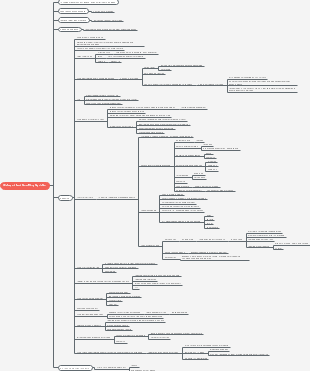
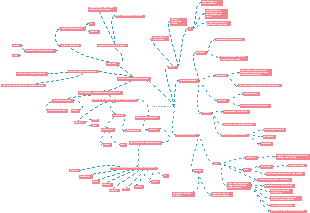
Routs of drug Administration
The route of administration (ROA) that is chosen may have a profound ,effect upon the speed and efficiency with which the drug acts
Enteral
Oral P.O
The drug is introduced through the mouth in a variety of dosage forms including
Tablets, Capsules and Powders
Solutions, Emulsions, Suspensions
Advantages
Convenient - Can be self- administered, pain free, easy to take
Absorption - Takes place along the whole length of the GI tract
Cheap - Compared to other parenteral routes.
Limits the number of systemic infections.
Toxicities or overdose may be reversed with emesis or antidotes such as activated charcoal.
Disadvantages
Sometimes inefficient - part of the drug may be absorbed
First-pass effect - drugs absorbed orally are initially transported to the liver via the portal vein
The first pass effect (also known as first-pass metabolism or presystemic metabolism)
is a phenomenon of drug metabolism specifically when administered orally, is greatly reduced before it reaches the systemic circulation.
Irritation to gastric mucosa - nausea and vomiting
Destruction of drugs by gastric acid; eg: Penicillins
Effect too slow for emergencies
Unpleasant taste of some drugs
Unable to use in unconscious and uncooperative patient
Oral - controlled-release, timed-release, sustained-release (SR-)
designed to produce slow, uniform absorption for 8 hours or longer
Better compliance, maintain effect over night, eliminate extreme peaks and troughs
Parenteral
Intravascular (IV, IA)- placing a drug directly into the blood stream
Advantages
Absorption phase is bypassed
(100% bioavailability)
Precise, accurate dose delivered.
Large quantities can be given.
Treatment of unconscious patients
In emergencies, immediate onset of action.
Disadvantages
May cause pain, fear, and infections.
Self medication not possible
Withdrawal of drug not possible
Sterile procedure is required
Greater risk of adverse effects
High concentration attained rapidly may increace toxicity
Risk of embolism
Intramuscular (IM) - drug injected into skeletal muscle
Advantages
Very rapid absorption of
drugs in aqueous solution
Repository (Depot) and slow-release preparations
Disadvantages
Pain at injection sites for certain drugs
exmaples
Example: 1.Sustained-release haloperidol decanoate- extended neuroleptic effect.
Depot Estrogen, Progesterone, Testosterone, HCG.
Subcutaneous - Absorption of drugs from the subcutaneous tissues
Slow and constant absorption
Absorption is limited by blood flow, affected if circulatory problems exist
Concurrent administration of vasoconstrictor (Epinephrine) will delay absorption
Examples , Insulin programmable mechanical pumps and, Contraceptive levonorgestrel.
Intrathecal: Directly into the cerebrospinal fluid.
It is sometimes necessary to introduce drugs directly into the cerebrospinal fluid.
Injection occurs in the subarachnoid space between 2nd and 3rd lumber vertebrae.
exmaples
.Amphotericin B is used in treating cryptococcal meningitis.
Local anesthetics for epidura Anesthesial
Intraperitoneal injection: Directly into the peritoneal cavity.
The peritoneal cavity is a common injection site, used in intraperitoneal injection.
It provides a large surface area for absorption
The method is widely used to administer chemotherapy drugs to treat some cancers, in particular ovarian cancer
Inhalation
Particles larger than 20 micron impact in the mouth and throat. but Particles smaller than 0.5 micron directly enter the lungs
. Gaseous and volatile agents and aerosols
Rapid onset of action due to rapid access to circulation
a. Large surface area
b. Thin membranes separates alveoli from circulation
c. High blood flow
Example
Salbutamol
Albuterol
Topical
Mucosal membranes
eye drops, antiseptic, sunscreen, nasal, otic drops, etc
Skin
Dermal - rubbing in of oil or ointment (local action)
Transdermal - absorption of drug through skin (systemic action) e.g Nitroglycerine transdermal patch
No first pass metabolism
Intranasal
This route involves administration of drugs directly into the nose.
examples
Nasal decongestants such as Phenylephrine, mometasone furoate.
Desmopressin in the treatment of diabetes insipidus
Mucosal administration
The mucosa provides an excellent method of administration of many drugs. This includes
Sublingual : By inserting a tablet under the tongue.
rapid absorption through buccal mucosa.
avoidance of first-pass metabolism.
Disadvantages
Inconvenient
Small doses
Unpleasant taste of some drugs
Rectal
The rectal route is useful if the drug
induces vomiting when given orally
Avoids first pass metabolism
The rectal route is commonly used to administer antiemetics
disadvatiges
Many drugs irritate the rectal mucosa Inconvenient and Embarrassing
first pass effect for deep rectal
Time until effect
Intravenous: 30-60 seconds
inhalation 2-3 minutes
sublingual 3-5 minutes
intramuscular 10-20 minutes
subcutaneous 15-30 minutes
rectal 5-30 minutes
ORAL ingestion 30-90 minutes
transdermal (topical) variable (minutes - hours)