Wondershare EdrawMind
MindMap Gallery Meningitis in paediatric patients
Meningitis in paediatric patients
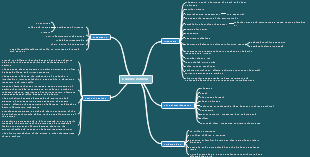
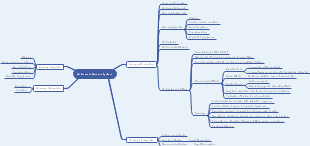
Meningitis is a serious medical condition characterized by the inflammation of the protective membranes covering the brain and spinal cord. When it occurs in pediatric patients, it presents unique challenges and considerations. In this mind map, we will explore the various aspects of pediatric meningitis. By mapping out these crucial elements, we aim to enhance understanding and awareness of pediatric meningitis, ultimately contributing to better management and care for affected children.
Edited at 2023-05-28 22:00:07
- Meningitis in paediatric patients
Meningitis is a serious medical condition characterized by the inflammation of the protective membranes covering the brain and spinal cord. When it occurs in pediatric patients, it presents unique challenges and considerations. In this mind map, we will explore the various aspects of pediatric meningitis. By mapping out these crucial elements, we aim to enhance understanding and awareness of pediatric meningitis, ultimately contributing to better management and care for affected children.
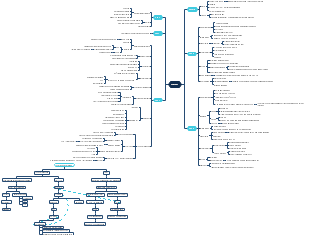
- "Upper Respiratory Tract Infection (URTI) Management Guide"
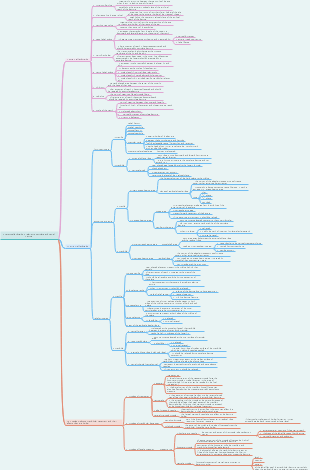
This mind map, created with EdrawMax, outlines the step-by-step approach for managing upper respiratory tract infections (URTIs). It starts with confirming the diagnosis through symptoms like cough, rhinorrhea, sore throat, and physical findings such as nasal congestion and pharyngeal erythema. It then guides determining the need for antibiotics, providing symptomatic relief, and considering adjunctive therapies. Finally, it emphasizes the importance of follow-up appointments and possible referral to an ENT specialist if needed.
Meningitis in paediatric patients
- Meningitis in paediatric patients
Meningitis is a serious medical condition characterized by the inflammation of the protective membranes covering the brain and spinal cord. When it occurs in pediatric patients, it presents unique challenges and considerations. In this mind map, we will explore the various aspects of pediatric meningitis. By mapping out these crucial elements, we aim to enhance understanding and awareness of pediatric meningitis, ultimately contributing to better management and care for affected children.
- "Upper Respiratory Tract Infection (URTI) Management Guide"
This mind map, created with EdrawMax, outlines the step-by-step approach for managing upper respiratory tract infections (URTIs). It starts with confirming the diagnosis through symptoms like cough, rhinorrhea, sore throat, and physical findings such as nasal congestion and pharyngeal erythema. It then guides determining the need for antibiotics, providing symptomatic relief, and considering adjunctive therapies. Finally, it emphasizes the importance of follow-up appointments and possible referral to an ENT specialist if needed.
- Recommended to you
- Outline