MindMap Gallery Directors' Duties Power (Part 1)
Directors' duties and powers are fundamental aspects of corporate governance that outline the responsibilities and authority of board members. This mind map explores the key duties and powers of directors, highlighting their legal and ethical obligations in managing and representing the organization.
Edited at 2023-07-28 10:15:27This mind map is designed to explore the interconnected concepts of risk management and internal control within organizations. Effective risk management and internal control practices are essential for safeguarding an organization's assets, maintaining financial integrity, and achieving strategic objectives while ensuring compliance with relevant laws and regulations. By visually representing these concepts and their interrelationships, the mind map aims to provide a comprehensive overview of how organizations can effectively identify, assess, and manage risks while implementing robust internal controls to safeguard their operations and assets.
Risk management involves the identification, assessment, and prioritization of risks that may affect an organization's ability to achieve its objectives. It is a proactive process that involves identifying potential risks and developing strategies to mitigate or manage them. Internal control, on the other hand, is the system of policies, procedures, and processes that an organization implements to achieve its objectives. It provides reasonable assurance that an organization's operations are effective, efficient, and compliant with applicable laws and regulations.
The remuneration of top-level executives is a critical aspect of corporate governance and has a significant impact on an organization's performance, culture, and stakeholder relationships. This interconnected web of ideas explores the various components, considerations, and challenges associated with remunerating directors and senior executives.
This mind map is designed to explore the interconnected concepts of risk management and internal control within organizations. Effective risk management and internal control practices are essential for safeguarding an organization's assets, maintaining financial integrity, and achieving strategic objectives while ensuring compliance with relevant laws and regulations. By visually representing these concepts and their interrelationships, the mind map aims to provide a comprehensive overview of how organizations can effectively identify, assess, and manage risks while implementing robust internal controls to safeguard their operations and assets.
Risk management involves the identification, assessment, and prioritization of risks that may affect an organization's ability to achieve its objectives. It is a proactive process that involves identifying potential risks and developing strategies to mitigate or manage them. Internal control, on the other hand, is the system of policies, procedures, and processes that an organization implements to achieve its objectives. It provides reasonable assurance that an organization's operations are effective, efficient, and compliant with applicable laws and regulations.
The remuneration of top-level executives is a critical aspect of corporate governance and has a significant impact on an organization's performance, culture, and stakeholder relationships. This interconnected web of ideas explores the various components, considerations, and challenges associated with remunerating directors and senior executives.
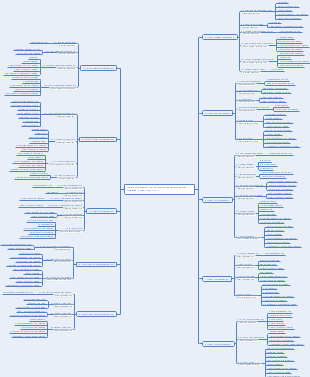
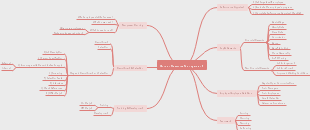
Directors' Duties & Power
Duty to act within powers & for proper purposes
Duty to act within powers
In accordance with the co's constitution
Eg: Object Clause
Duty to exercise powers for proper purposes
Abuses by directors to allot & issue new share
Been used to challenge Directors' decision
On the forfeiture of shares
On the approval of share transfers
To enter into a management agreement
To enter into a supplementary partnership agreement
Duty to promote the success of the company
To exercise their powers in good faith, and in doing so have regard to
The likely consequences of any decision in the long term
The interest of the co's employees
The need to foster business relationship with supp, cust, etc
The impact of the co's operation on the communityy & the environment
The desirability for the co to maintain a reputation for high standard
The need to act fairly as between members of the co
Duty to exercise independent judgement
A director must not allow personal interest to affect his/her independent judgement
An executive director should not attend a board meeting to 'promote a collective executive line'
Director should 'set any representative function aside and make final decisions on their own merits
Duty to exercise reasonable skills, cares & diligences (Dorchester Finance Co. Ltd v Stebbing [1989])
Brought an action against its directors for negligence & misappropriation of the co's property
S was a qualified accountant (managing director) & H and P were non-executives
S secretly arranged co to make loan to persons connected with him & persuaded P & H to sign bank cheques for this purpose
All 3 were liable to pay damages to the co
H & P, as non-executive, failed to show the necessary level of skill & care
Duty to avoid conflict of interest
They must avoid a situation in which they have/can have a direct/indirect that conflict/possibly may conflict with interest of the co
Duty not to accept benefits from third parties
Related to duty to avoid conflict of interest
If accept, directors put themselves in position of potential conflict
Eg
Accept bribe in return for awarding contract with supplier
Accept secret benefit with a takeover bid/reconstruction
Accept all-expenses paid trip to a high value corp. hospitality event
Duty to declare interests in transaction
Interest in proposed/ existing transaction/arrangement
Statutory duty to declare
Directors allowed to have interest in a proposed transaction
Declaration of interest
Must be made to other directors before transaction entered (Meeting of Directors, General Notice, Written Notice etc)
Interested Directors can't vote /be counted in the quorum on that matter
Related party transaction
Bursa Malaysia Listing Requirements may require certain transaction where 1/> directors need to approved
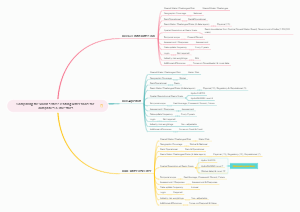
Directors' Duties & Power
Duty to act within powers & for proper purposes
Duty to act within powers
In accordance with the co's constitution
Eg: Object Clause
Duty to exercise powers for proper purposes
Abuses by directors to allot & issue new share
Been used to challenge Directors' decision
On the forfeiture of shares
On the approval of share transfers
To enter into a management agreement
To enter into a supplementary partnership agreement
Duty to promote the success of the company
To exercise their powers in good faith, and in doing so have regard to
The likely consequences of any decision in the long term
The interest of the co's employees
The need to foster business relationship with supp, cust, etc
The impact of the co's operation on the communityy & the environment
The desirability for the co to maintain a reputation for high standard
The need to act fairly as between members of the co
Duty to exercise independent judgement
A director must not allow personal interest to affect his/her independent judgement
An executive director should not attend a board meeting to 'promote a collective executive line'
Director should 'set any representative function aside and make final decisions on their own merits
Duty to exercise reasonable skills, cares & diligences (Dorchester Finance Co. Ltd v Stebbing [1989])
Brought an action against its directors for negligence & misappropriation of the co's property
S was a qualified accountant (managing director) & H and P were non-executives
S secretly arranged co to make loan to persons connected with him & persuaded P & H to sign bank cheques for this purpose
All 3 were liable to pay damages to the co
H & P, as non-executive, failed to show the necessary level of skill & care
Duty to avoid conflict of interest
They must avoid a situation in which they have/can have a direct/indirect that conflict/possibly may conflict with interest of the co
Duty not to accept benefits from third parties
Related to duty to avoid conflict of interest
If accept, directors put themselves in position of potential conflict
Eg
Accept bribe in return for awarding contract with supplier
Accept secret benefit with a takeover bid/reconstruction
Accept all-expenses paid trip to a high value corp. hospitality event
Duty to declare interests in transaction
Interest in proposed/ existing transaction/arrangement
Statutory duty to declare
Directors allowed to have interest in a proposed transaction
Declaration of interest
Must be made to other directors before transaction entered (Meeting of Directors, General Notice, Written Notice etc)
Interested Directors can't vote /be counted in the quorum on that matter
Related party transaction
Bursa Malaysia Listing Requirements may require certain transaction where 1/> directors need to approved