MindMap Gallery Role and Membership of BOD (Part 2)
The role and membership of a Board of Directors (BoD) are crucial components of corporate governance, as they provide oversight, strategic guidance, and accountability to an organization. This mind map explores the key aspects of the BoD's role and membership, highlighting their responsibilities, composition, and dynamics.
Edited at 2023-07-28 10:19:41This mind map is designed to explore the interconnected concepts of risk management and internal control within organizations. Effective risk management and internal control practices are essential for safeguarding an organization's assets, maintaining financial integrity, and achieving strategic objectives while ensuring compliance with relevant laws and regulations. By visually representing these concepts and their interrelationships, the mind map aims to provide a comprehensive overview of how organizations can effectively identify, assess, and manage risks while implementing robust internal controls to safeguard their operations and assets.
Risk management involves the identification, assessment, and prioritization of risks that may affect an organization's ability to achieve its objectives. It is a proactive process that involves identifying potential risks and developing strategies to mitigate or manage them. Internal control, on the other hand, is the system of policies, procedures, and processes that an organization implements to achieve its objectives. It provides reasonable assurance that an organization's operations are effective, efficient, and compliant with applicable laws and regulations.
The remuneration of top-level executives is a critical aspect of corporate governance and has a significant impact on an organization's performance, culture, and stakeholder relationships. This interconnected web of ideas explores the various components, considerations, and challenges associated with remunerating directors and senior executives.
This mind map is designed to explore the interconnected concepts of risk management and internal control within organizations. Effective risk management and internal control practices are essential for safeguarding an organization's assets, maintaining financial integrity, and achieving strategic objectives while ensuring compliance with relevant laws and regulations. By visually representing these concepts and their interrelationships, the mind map aims to provide a comprehensive overview of how organizations can effectively identify, assess, and manage risks while implementing robust internal controls to safeguard their operations and assets.
Risk management involves the identification, assessment, and prioritization of risks that may affect an organization's ability to achieve its objectives. It is a proactive process that involves identifying potential risks and developing strategies to mitigate or manage them. Internal control, on the other hand, is the system of policies, procedures, and processes that an organization implements to achieve its objectives. It provides reasonable assurance that an organization's operations are effective, efficient, and compliant with applicable laws and regulations.
The remuneration of top-level executives is a critical aspect of corporate governance and has a significant impact on an organization's performance, culture, and stakeholder relationships. This interconnected web of ideas explores the various components, considerations, and challenges associated with remunerating directors and senior executives.
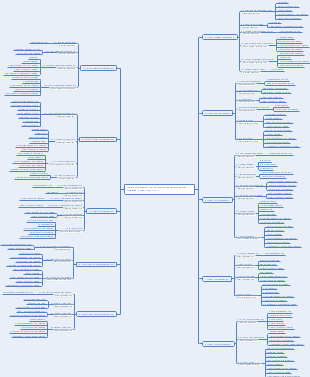
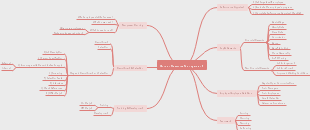
Role & Membership of BOD
Matters reserved for the board
Strategy & Management
Any decision to cease to perate all or any material part of the group's business
Extension of the group's activities into new business/geographic area
Approval of annual operating & capital expenditure budgets
Approval of overall strategy & strategic objectives
Reveiw management/operational performance
Oversight of the group's operation
Setting co's value & standards
Remuneration
Determining the remuneration policy forthe directors, CoSec & othe Senir Executives
The introduction of new share incentive plans or major changes to existing plans, to be put to s/holders for approval
Determining the remuneration of the non-executive directors
Delegation of Authority
The division of responsibilities between the chair and the chief executive
Approval of the delegated levels of authority, inc. CEO's authority limits
Establishing board committees & approving their terms of reference
Financial Reporting & Controls
Approving any significant change in accounting policies/practices
Declaring an interim dividend & recommending a final dividend
Approval of the annual and hal-yearly report & accounts
Approval of the dividend policy
Communication
Approval of press releases concerning matters decided by the board
Approval of all circular, prospectuses & listing particulars
Approval of resolutions to be put to shareholders
Board Membership & Other Appointments
Appointment/Reappointment/Removal of the external auditor, taking into account the reccomendations of the audit comittee
Appointment of directors to the main boards of subsidiaries
Appointment or removal of the secretary
Structure & Capital
Changes to the group's management & control structure
Major changes to the group's corporate structure
Any changes to the co's listing/status as a plc
Changes to the group's capital structure
Contracts
Approving contracts not in the ordinary course if business
Approving contracts in the ordinary course of business
Approving major capital projects
Approving major investment
Internal Controls
Ensuring maintenance of a sound system of internal control & risk management
Other Matters
Inc. Political Donations, Appointment if the group's principal professional advisers, material litigation, overall levels of insurance, major changes to group pension schemes
Corporate Governance Matters
Such as determining the INED & authorising conflicts of interest where permitted by Constitution
Policies
Inc. policies on matter such share dealing, bribery prevention, whistleblowing, health & safety policy, the environment & sustainability, CSR & Charitable Donation
Composition of the Board
Executive Directors
Bring specialist expertise to the table (Eg: Finance Director)
Chair
Leading the board and ensuring that it function effectively
Senior Independent Directors
To act as a connduit for shareholders in circumstances where the board fails to function properly
CEO
Leads the executive team and is responsible for the executive management of the co's operation
Non-Executive Directors
Bring outside experience & expertise that may otherwise be lacking on the board
Role of the Board
Governance role under the MCCG
Promote long-term sustainable success of the co
Generating value for shareholders
Contributing to wider society
Critical management decision
Setting the co's strategy
Major capital investment projects/material contracts
Matters required by law
Approval of the accounts
Adoption of anti-bribery & health & safety polices
Functions crried out through committees
Remuneration Committee
Nomination Committee
Audit Committee
Balance of Executive & Non-Executive Director
At least half of the board, exc Chair, should be non-Executives (Independent)
Non-Executive directors are expected to scrutinise & challenge management proposal & to perform CG functions
The Chair & INED acting together will form a majority of the board & will outnumber the executive director plus INED
The chair is meant to be independent on appointment & might therefore be expected to be naturally ally of the INED
Reporting on Board Composition
MCCG requires annual report
To identify Non-executive Directors that the Board cosider to be independent
To set out the number of meetings of the board & its committee & individual attendance by directors
MCCG also requires
The responsibilities of the Chair, CE, SID, BAC
The board set out in the papers accompanying any shareholders resolution to elect director
Role of The Chair
Board agenda, culture in the boardroom, to engage in board and committee meetings, fostering relationships, productive working relationship with the chief executive, providing support and advice, while respecting executive responsibility, new directors as appropriate, annual board evaluation
Chair should ensure that, Adequate time, timely flow, nature, and extent, of the significant risks, statutory duties, board, formal and tailored induction on joining the board, update their skills, knowledge and familiarity
Role
Duties & Powers of the chair under law
The chair's time commitments
Chair should be independent on appointment
Appointment of the chair
Role of THE CEO
Proposing strategy to the board, and for delivering the strategy as agreed
Setting an example to the company’s employees, and communicating to them the expectations of the board in relation to the company’s culture, values and behaviours;
Supporting the chair to make certain that appropriate standards of governance permeate through all parts of the organisation;
Making certain that the board is made aware, when appropriate, of the views of employees on issues of relevance to the business
Ensuring the board knows the executive directors’ views on business issues in order to improve the standard of discussion in the boardroom and, prior to final decision on an issue, explain in a balanced way any divergence of view in the executive team.
Separation of the roles between The Chair & The CEO
Chair of the Board - Lead the board of director
CEO - Leader of the management team
A person holding both positions could become an overly dominant influence on decision making in the company A CEO who also acts as the chair is effectively allowed to mark their own homework, set their own targets and influence board appointments, thus reinforcing their own position. Over time, they may become less and less likely to listen to advice from board colleagues and the board may eventually cease to function as an effective body
Role of Executive Directors
ED are full-time emp of the co, with executive management responsibility
Have the same duties as other board members
These duties extend to the whole of the business, and not just that part of it covered by their individual executive roles.
Role of Non-Executive Directors
NED
Provide constructive challenge, strategic guidance, offer specialist advice & hold management to acc
Scrutinise & hold to acc the performance of management & ind. ED against agreed performance obj
Have a prime role in appointing & removing ED
Through their participation in the nomination committee, lead the process for board appointments, succession planning and ensuring the development of a diverse pipeline;
Through their participation in the audit committee, satisfy themselves on the integrity of financial information and that financial controls and systems of risk management are robust and defensible
Through their participation in the remuneration committee, determine appropriate levels of remuneration for the chair, executive directors and senior management
INED
Has been an employee of the co/group within the last five years
Has had within the last three years a material business relationship
Has received or receives additional remuneration from the co
Has close family ties with any of the co's advisers, directors, or senior emp.
Holds cross-dirrectorships/ has significant links with other directors
Represent signifact shareholder
Has served on the board for more than nine years from the date of their first election
Role of Senior Independent Directors
Devote time to a comprehensive, formal and tailored induction
Have sufficient time avail to discharge responsibilities
Devote time to develop anfd refresh their knowledge & skills
Insist on receiving high-quality information sufficiently
Seek clarification or amplication from management where they consider the info provided
Take opportunity to meet shareholder, key customers and members of the workforce
Board Committees & NEDs
Nomination Committee
Function: Leading the process for board appointments, ensuring plans are in place for orderly succession to both the board and senior management positions, and overseeing the development of a diverse pipeline.
Composition: majority of members should be INEDs. No minimum number specified
Board Chair: There is no bar to the board chair serving on the nomination committee or chairing it
Audit Committee
Function: Monitoring the integrity of financial statements, reviewing internal controls and risk management, ensuring the independence and effectiveness of internal and external audit functions.
Composition: All INED - in large co, at least 3, in the smaller co, at least 2
Board Chair: The chair of the board should not be a member
Remuneration Committee
Function: Det. the policy for ED Remuneration & settling remuneration for the Chair, ED & Senior Management
Composition: All INED - in large co, at least 3, in the smaller co, at least 2
Board Chair: The Chair of the board can only be a member if they were Independent on appointment & cannot chair the committee
Governance Role of CoSec
Ensuring compliance with governance
Communicates with directors
Communicates between Board & Management
Shareholder relations & manages shareholder meetings
Conscience of the Company
Ensures compliance with laws
Oversees, conducts induction trainings for newly elected directors
Manages the corporate governance framework for the company
Role & Membership of BOD
Matters reserved for the board
Strategy & Management
Any decision to cease to perate all or any material part of the group's business
Extension of the group's activities into new business/geographic area
Approval of annual operating & capital expenditure budgets
Approval of overall strategy & strategic objectives
Reveiw management/operational performance
Oversight of the group's operation
Setting co's value & standards
Remuneration
Determining the remuneration policy forthe directors, CoSec & othe Senir Executives
The introduction of new share incentive plans or major changes to existing plans, to be put to s/holders for approval
Determining the remuneration of the non-executive directors
Delegation of Authority
The division of responsibilities between the chair and the chief executive
Approval of the delegated levels of authority, inc. CEO's authority limits
Establishing board committees & approving their terms of reference
Financial Reporting & Controls
Approving any significant change in accounting policies/practices
Declaring an interim dividend & recommending a final dividend
Approval of the annual and hal-yearly report & accounts
Approval of the dividend policy
Communication
Approval of press releases concerning matters decided by the board
Approval of all circular, prospectuses & listing particulars
Approval of resolutions to be put to shareholders
Board Membership & Other Appointments
Appointment/Reappointment/Removal of the external auditor, taking into account the reccomendations of the audit comittee
Appointment of directors to the main boards of subsidiaries
Appointment or removal of the secretary
Structure & Capital
Changes to the group's management & control structure
Major changes to the group's corporate structure
Any changes to the co's listing/status as a plc
Changes to the group's capital structure
Contracts
Approving contracts not in the ordinary course if business
Approving contracts in the ordinary course of business
Approving major capital projects
Approving major investment
Internal Controls
Ensuring maintenance of a sound system of internal control & risk management
Other Matters
Inc. Political Donations, Appointment if the group's principal professional advisers, material litigation, overall levels of insurance, major changes to group pension schemes
Corporate Governance Matters
Such as determining the INED & authorising conflicts of interest where permitted by Constitution
Policies
Inc. policies on matter such share dealing, bribery prevention, whistleblowing, health & safety policy, the environment & sustainability, CSR & Charitable Donation
Composition of the Board
Executive Directors
Bring specialist expertise to the table (Eg: Finance Director)
Chair
Leading the board and ensuring that it function effectively
Senior Independent Directors
To act as a connduit for shareholders in circumstances where the board fails to function properly
CEO
Leads the executive team and is responsible for the executive management of the co's operation
Non-Executive Directors
Bring outside experience & expertise that may otherwise be lacking on the board
Role of the Board
Governance role under the MCCG
Promote long-term sustainable success of the co
Generating value for shareholders
Contributing to wider society
Critical management decision
Setting the co's strategy
Major capital investment projects/material contracts
Matters required by law
Approval of the accounts
Adoption of anti-bribery & health & safety polices
Functions crried out through committees
Remuneration Committee
Nomination Committee
Audit Committee
Balance of Executive & Non-Executive Director
At least half of the board, exc Chair, should be non-Executives (Independent)
Non-Executive directors are expected to scrutinise & challenge management proposal & to perform CG functions
The Chair & INED acting together will form a majority of the board & will outnumber the executive director plus INED
The chair is meant to be independent on appointment & might therefore be expected to be naturally ally of the INED
Reporting on Board Composition
MCCG requires annual report
To identify Non-executive Directors that the Board cosider to be independent
To set out the number of meetings of the board & its committee & individual attendance by directors
MCCG also requires
The responsibilities of the Chair, CE, SID, BAC
The board set out in the papers accompanying any shareholders resolution to elect director
Role of The Chair
Board agenda, culture in the boardroom, to engage in board and committee meetings, fostering relationships, productive working relationship with the chief executive, providing support and advice, while respecting executive responsibility, new directors as appropriate, annual board evaluation
Chair should ensure that, Adequate time, timely flow, nature, and extent, of the significant risks, statutory duties, board, formal and tailored induction on joining the board, update their skills, knowledge and familiarity
Role
Duties & Powers of the chair under law
The chair's time commitments
Chair should be independent on appointment
Appointment of the chair
Role of THE CEO
Proposing strategy to the board, and for delivering the strategy as agreed
Setting an example to the company’s employees, and communicating to them the expectations of the board in relation to the company’s culture, values and behaviours;
Supporting the chair to make certain that appropriate standards of governance permeate through all parts of the organisation;
Making certain that the board is made aware, when appropriate, of the views of employees on issues of relevance to the business
Ensuring the board knows the executive directors’ views on business issues in order to improve the standard of discussion in the boardroom and, prior to final decision on an issue, explain in a balanced way any divergence of view in the executive team.
Separation of the roles between The Chair & The CEO
Chair of the Board - Lead the board of director
CEO - Leader of the management team
A person holding both positions could become an overly dominant influence on decision making in the company A CEO who also acts as the chair is effectively allowed to mark their own homework, set their own targets and influence board appointments, thus reinforcing their own position. Over time, they may become less and less likely to listen to advice from board colleagues and the board may eventually cease to function as an effective body
Role of Executive Directors
ED are full-time emp of the co, with executive management responsibility
Have the same duties as other board members
These duties extend to the whole of the business, and not just that part of it covered by their individual executive roles.
Role of Non-Executive Directors
NED
Provide constructive challenge, strategic guidance, offer specialist advice & hold management to acc
Scrutinise & hold to acc the performance of management & ind. ED against agreed performance obj
Have a prime role in appointing & removing ED
Through their participation in the nomination committee, lead the process for board appointments, succession planning and ensuring the development of a diverse pipeline;
Through their participation in the audit committee, satisfy themselves on the integrity of financial information and that financial controls and systems of risk management are robust and defensible
Through their participation in the remuneration committee, determine appropriate levels of remuneration for the chair, executive directors and senior management
INED
Has been an employee of the co/group within the last five years
Has had within the last three years a material business relationship
Has received or receives additional remuneration from the co
Has close family ties with any of the co's advisers, directors, or senior emp.
Holds cross-dirrectorships/ has significant links with other directors
Represent signifact shareholder
Has served on the board for more than nine years from the date of their first election
Role of Senior Independent Directors
Devote time to a comprehensive, formal and tailored induction
Have sufficient time avail to discharge responsibilities
Devote time to develop anfd refresh their knowledge & skills
Insist on receiving high-quality information sufficiently
Seek clarification or amplication from management where they consider the info provided
Take opportunity to meet shareholder, key customers and members of the workforce
Board Committees & NEDs
Nomination Committee
Function: Leading the process for board appointments, ensuring plans are in place for orderly succession to both the board and senior management positions, and overseeing the development of a diverse pipeline.
Composition: majority of members should be INEDs. No minimum number specified
Board Chair: There is no bar to the board chair serving on the nomination committee or chairing it
Audit Committee
Function: Monitoring the integrity of financial statements, reviewing internal controls and risk management, ensuring the independence and effectiveness of internal and external audit functions.
Composition: All INED - in large co, at least 3, in the smaller co, at least 2
Board Chair: The chair of the board should not be a member
Remuneration Committee
Function: Det. the policy for ED Remuneration & settling remuneration for the Chair, ED & Senior Management
Composition: All INED - in large co, at least 3, in the smaller co, at least 2
Board Chair: The Chair of the board can only be a member if they were Independent on appointment & cannot chair the committee
Governance Role of CoSec
Ensuring compliance with governance
Communicates with directors
Communicates between Board & Management
Shareholder relations & manages shareholder meetings
Conscience of the Company
Ensures compliance with laws
Oversees, conducts induction trainings for newly elected directors
Manages the corporate governance framework for the company