MindMap Gallery Board Composition and Succession Planning
Board composition and succession planning are important aspects of corporate governance that ensure the effectiveness and continuity of a company's board of directors. By focusing on board composition and succession planning, companies can enhance their governance practices, strengthen leadership continuity, and position themselves for long-term success.
Edited at 2023-07-28 11:32:53This mind map is designed to explore the interconnected concepts of risk management and internal control within organizations. Effective risk management and internal control practices are essential for safeguarding an organization's assets, maintaining financial integrity, and achieving strategic objectives while ensuring compliance with relevant laws and regulations. By visually representing these concepts and their interrelationships, the mind map aims to provide a comprehensive overview of how organizations can effectively identify, assess, and manage risks while implementing robust internal controls to safeguard their operations and assets.
Risk management involves the identification, assessment, and prioritization of risks that may affect an organization's ability to achieve its objectives. It is a proactive process that involves identifying potential risks and developing strategies to mitigate or manage them. Internal control, on the other hand, is the system of policies, procedures, and processes that an organization implements to achieve its objectives. It provides reasonable assurance that an organization's operations are effective, efficient, and compliant with applicable laws and regulations.
The remuneration of top-level executives is a critical aspect of corporate governance and has a significant impact on an organization's performance, culture, and stakeholder relationships. This interconnected web of ideas explores the various components, considerations, and challenges associated with remunerating directors and senior executives.
This mind map is designed to explore the interconnected concepts of risk management and internal control within organizations. Effective risk management and internal control practices are essential for safeguarding an organization's assets, maintaining financial integrity, and achieving strategic objectives while ensuring compliance with relevant laws and regulations. By visually representing these concepts and their interrelationships, the mind map aims to provide a comprehensive overview of how organizations can effectively identify, assess, and manage risks while implementing robust internal controls to safeguard their operations and assets.
Risk management involves the identification, assessment, and prioritization of risks that may affect an organization's ability to achieve its objectives. It is a proactive process that involves identifying potential risks and developing strategies to mitigate or manage them. Internal control, on the other hand, is the system of policies, procedures, and processes that an organization implements to achieve its objectives. It provides reasonable assurance that an organization's operations are effective, efficient, and compliant with applicable laws and regulations.
The remuneration of top-level executives is a critical aspect of corporate governance and has a significant impact on an organization's performance, culture, and stakeholder relationships. This interconnected web of ideas explores the various components, considerations, and challenges associated with remunerating directors and senior executives.
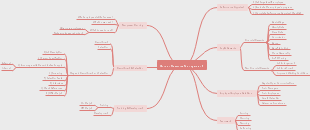
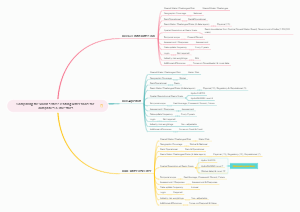
Board Composition & Succession Planning
Board Size
Depend on the co's size, the complexity of business & which sector it's operates
Unless specifiy by constitution
Factors need to be consider
The requirements for a balanced board
The requirements of the MCCG
The need to service board committee
The ability of the board to hold productive
Balance of skills, knowledge & experience
Appointing directors who are able to make a positive contribution
Directors more likely to make good decisions & maximise the opportunities for the co's success
NED should possess a range of critical skills of value to the board
Diversity in the boardroom can have a positive effect on the quality of decision-making
Boards need to decide which aspect of diversity are important in the context of business
Diversity
Gender
30% women on board
Disclosure policy on target & compliance
Ethnic
Race, Religion & Nationality
Disclosure in annual report
Cognitive
Age, Education, Skill & Experience
Nominating Committee report
MCCG requires listed companies to disclose in the nomination committee’s report Their policy on diversity and inclusion, its objectives and linkage to company strategy, how it has been implemented and progress on achieving the objectives The gender balance of those in the senior management and their direct reports.
The role of the Nomination Committee
To lead the process for appointment
Ensure plans are in place for orderly succession
Oversee the development of a diverse pipeline
Reviewing annually the time required from NED
Review the structutr, sixe & composition
Keeping under review the leadership needs of the org
Making recommendations to the board regarding plans for succession
Making recommendations to the board concerning any matters
Appointment to the Board
Led by the Nomination Committee
Formal, rigorous & transparent procedure
NC responsible for recommending suitable candidate
Final decision rest with the Board
Appointment Process
Based on merit against objective criteria
Skills matrices to identify skills gaps
Open advertising External search consultancy
Time Commitments
Over-boarding
Service contracts & terms of appointment
Available for inspection by members
Accepting an offer of appointment
Look at the company’s annual report and website to see how it articulates its business model, governance, the market environment and dynamics, recent operational performance, strategy, risks and uncertainties, sustainability and financial performance
Review regulatory and media announcements issued since the last annual report was published and various other sources of information
Arrange to meet the chair, CEO, CFO, company secretary and all members of the nomination committee, if not the entire board, before accepting an appointment
If joining with the intention of taking on the role of company chair or the chair of the audit or remuneration committees, arranging meetings with the auditors, the head of internal audit or the remuneration consultants as appropriate
Taking the opportunity to talk with any other external advisers, senior management, employees, suppliers and customers
Checking scheduled board dates for the year ahead at an early stage in the due diligence process to ensure they will be able to attend
Succession Planning
Nomination Committee
Board Evaluation
Succession Planning
What succession plans should cover
Contigency Planning - for sudden & unforseen departures
Medium term Planning - Orderly replacement of current board members & senior executive
Directors' succession timetable
A skills matrix
Long term Planning - The relationship between the delivery of the co strategy & obj
Changing business environment
To discuss board succession with s/holder
Refreshing Board Membership
Consideration should be given to the length of service of the board as a whole and membership regularly refreshed. Nomination committee is expected to consider in consultation with the company chair as part of the company’s succession planning.
Board refreshment could be used: as a cover to replace a nonexecutive who is not making an effective contribution to meet diversity targets to bring in a new director who has certain critical skills.
Annual Re-Election
All directors should be subject to annual re-election
This requirement is intended to give shareholders an annual opportunity to express their views on the performance of the directors and to give boards an incentive to listen and respond to their concerns
The board to set out in the papers accompanying the resolutions to elect each director the specific reasons why their contribution is, and continues to be, important to the company’s long-term sustainable success
Board evaluations should inform & influence succession planning. They are an opportunity for boards to reviewskills, assess their composition and agree plansfor filling skills gaps, &> diversity. They can help companies identify when new board appointments may be needed and the types of skills that are required to maximise board effectivenes
‘Both appointments and succession plans should be based on merit and objective criteria and, within this context,should promote diversity of gender, social and ethnic backgrounds, cognitive and personal strengths.’
Board Composition & Succession Planning
Board Size
Depend on the co's size, the complexity of business & which sector it's operates
Unless specifiy by constitution
Factors need to be consider
The requirements for a balanced board
The requirements of the MCCG
The need to service board committee
The ability of the board to hold productive
Balance of skills, knowledge & experience
Appointing directors who are able to make a positive contribution
Directors more likely to make good decisions & maximise the opportunities for the co's success
NED should possess a range of critical skills of value to the board
Diversity in the boardroom can have a positive effect on the quality of decision-making
Boards need to decide which aspect of diversity are important in the context of business
Diversity
Gender
30% women on board
Disclosure policy on target & compliance
Ethnic
Race, Religion & Nationality
Disclosure in annual report
Cognitive
Age, Education, Skill & Experience
Nominating Committee report
MCCG requires listed companies to disclose in the nomination committee’s report Their policy on diversity and inclusion, its objectives and linkage to company strategy, how it has been implemented and progress on achieving the objectives The gender balance of those in the senior management and their direct reports.
The role of the Nomination Committee
To lead the process for appointment
Ensure plans are in place for orderly succession
Oversee the development of a diverse pipeline
Reviewing annually the time required from NED
Review the structutr, sixe & composition
Keeping under review the leadership needs of the org
Making recommendations to the board regarding plans for succession
Making recommendations to the board concerning any matters
Appointment to the Board
Led by the Nomination Committee
Formal, rigorous & transparent procedure
NC responsible for recommending suitable candidate
Final decision rest with the Board
Appointment Process
Based on merit against objective criteria
Skills matrices to identify skills gaps
Open advertising External search consultancy
Time Commitments
Over-boarding
Service contracts & terms of appointment
Available for inspection by members
Accepting an offer of appointment
Look at the company’s annual report and website to see how it articulates its business model, governance, the market environment and dynamics, recent operational performance, strategy, risks and uncertainties, sustainability and financial performance
Review regulatory and media announcements issued since the last annual report was published and various other sources of information
Arrange to meet the chair, CEO, CFO, company secretary and all members of the nomination committee, if not the entire board, before accepting an appointment
If joining with the intention of taking on the role of company chair or the chair of the audit or remuneration committees, arranging meetings with the auditors, the head of internal audit or the remuneration consultants as appropriate
Taking the opportunity to talk with any other external advisers, senior management, employees, suppliers and customers
Checking scheduled board dates for the year ahead at an early stage in the due diligence process to ensure they will be able to attend
Succession Planning
Nomination Committee
Board Evaluation
Succession Planning
What succession plans should cover
Contigency Planning - for sudden & unforseen departures
Medium term Planning - Orderly replacement of current board members & senior executive
Directors' succession timetable
A skills matrix
Long term Planning - The relationship between the delivery of the co strategy & obj
Changing business environment
To discuss board succession with s/holder
Refreshing Board Membership
Consideration should be given to the length of service of the board as a whole and membership regularly refreshed. Nomination committee is expected to consider in consultation with the company chair as part of the company’s succession planning.
Board refreshment could be used: as a cover to replace a nonexecutive who is not making an effective contribution to meet diversity targets to bring in a new director who has certain critical skills.
Annual Re-Election
All directors should be subject to annual re-election
This requirement is intended to give shareholders an annual opportunity to express their views on the performance of the directors and to give boards an incentive to listen and respond to their concerns
The board to set out in the papers accompanying the resolutions to elect each director the specific reasons why their contribution is, and continues to be, important to the company’s long-term sustainable success
Board evaluations should inform & influence succession planning. They are an opportunity for boards to reviewskills, assess their composition and agree plansfor filling skills gaps, &> diversity. They can help companies identify when new board appointments may be needed and the types of skills that are required to maximise board effectivenes
‘Both appointments and succession plans should be based on merit and objective criteria and, within this context,should promote diversity of gender, social and ethnic backgrounds, cognitive and personal strengths.’