MindMap Gallery Corporate Responsibility and Reporting on Non-financial Issue
Corporate responsibility refers to an organization's commitment to conducting its business in an ethical, sustainable, and socially responsible manner. This mind map explores the concept of corporate responsibility and the reporting of non-financial issues, highlighting their significance and impact.
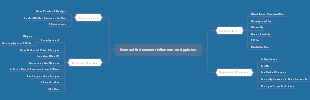
Edited at 2023-07-29 06:24:34This mind map is designed to explore the interconnected concepts of risk management and internal control within organizations. Effective risk management and internal control practices are essential for safeguarding an organization's assets, maintaining financial integrity, and achieving strategic objectives while ensuring compliance with relevant laws and regulations. By visually representing these concepts and their interrelationships, the mind map aims to provide a comprehensive overview of how organizations can effectively identify, assess, and manage risks while implementing robust internal controls to safeguard their operations and assets.
Risk management involves the identification, assessment, and prioritization of risks that may affect an organization's ability to achieve its objectives. It is a proactive process that involves identifying potential risks and developing strategies to mitigate or manage them. Internal control, on the other hand, is the system of policies, procedures, and processes that an organization implements to achieve its objectives. It provides reasonable assurance that an organization's operations are effective, efficient, and compliant with applicable laws and regulations.
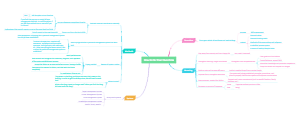
The remuneration of top-level executives is a critical aspect of corporate governance and has a significant impact on an organization's performance, culture, and stakeholder relationships. This interconnected web of ideas explores the various components, considerations, and challenges associated with remunerating directors and senior executives.
This mind map is designed to explore the interconnected concepts of risk management and internal control within organizations. Effective risk management and internal control practices are essential for safeguarding an organization's assets, maintaining financial integrity, and achieving strategic objectives while ensuring compliance with relevant laws and regulations. By visually representing these concepts and their interrelationships, the mind map aims to provide a comprehensive overview of how organizations can effectively identify, assess, and manage risks while implementing robust internal controls to safeguard their operations and assets.
Risk management involves the identification, assessment, and prioritization of risks that may affect an organization's ability to achieve its objectives. It is a proactive process that involves identifying potential risks and developing strategies to mitigate or manage them. Internal control, on the other hand, is the system of policies, procedures, and processes that an organization implements to achieve its objectives. It provides reasonable assurance that an organization's operations are effective, efficient, and compliant with applicable laws and regulations.
The remuneration of top-level executives is a critical aspect of corporate governance and has a significant impact on an organization's performance, culture, and stakeholder relationships. This interconnected web of ideas explores the various components, considerations, and challenges associated with remunerating directors and senior executives.
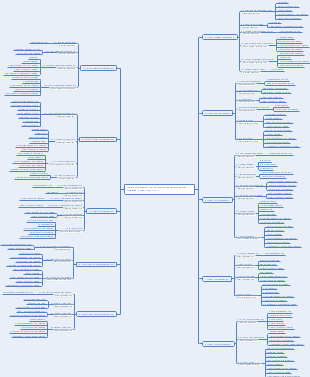
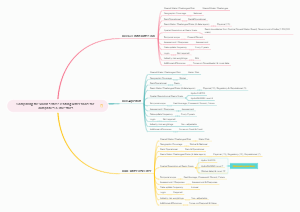
Corporate Responsibility & Reporting on Non-financial Issue
Integrated Reporting
should record how the company has impacted (both positively and negatively) the economic life of the community in which it operated during the year, and how in the coming year it can improve the positive and eradicate or reduce the negative aspects
Define: ‘a concise communication about how an organisation’s strategy, governance, performance and prospects, in the context of its external environment, lead to the creation of value in the short, medium and long-term’
balance sheet and profit and loss statement, an assessment of future earnings, brand, goodwill, the quality of its board and management, reputation, strategy and other sustainability aspects
essential to enable all stakeholders (internal and external) to make informed assessments of the economic value of a company
Eg of Non-financial Reporting
CG
Application of the 'Applied' and 'Complied' principles
How the board set co's purpose & strategy, met obj & achieved outcomes
Narrative
More meaningful picture of the co's business, its strategy & future prospects
Report on the economic, social & environmental impact of their operation
Strategic
To provide info for s/holder & help assess directors performance
Should be concise, only inc. info that is 'material' to s/holder
Why co choose NOT to report on their CSR Activities
Co may not have set up their management info system to produce the info progress against non-financial
Co may feel that the info gives them competitive adv
Cost of collecting & disclosing the info on CSR may be prohibitive against perceived value
Board may not e aware of the CSR Initiatives being conducted by the co
May not performed as well as they hope (Concern if stakeholder express disapproval)
Problem with traditional corporate reporting
Some costs are excluded (Environmental Costs etc)
Different reports are prepared for diferent users
Org have been pushed into short-termism as they strive to meet requirement
Yesterdays' story (Conclusion for the year)
Some intangibles are excluded (CG, Brand Recognition, Reputation etc)
Annual Report became so detailed & inaccessible to average reader
Only focusing on financial only
Difference between 'Sustainability Reports'and 'Integrated Reports'
Sustainability Reports
Describe org's non-financial perf in ESG
Targeted at diff. stakeholder groups
Integrated Reports
Combine financial & non-financial info
Targeted at investors
Responding to Stakeholder Issue
Focused on matters that are most material to long-term success, an integrated report will often provide relevant information in itself, as well as a clear reference point for other communications, including compliance information, investor presentations, detailed financial information, sustainability reports and communications directed to specific stakeholders who have particular information needs
An integrated report is an important part of the communication process with stakeholders
An integrated report should show how an organisation is responding to stakeholder issues
How organisations respond to stakeholder issues is demonstrated through decisions, actions and performance, as well as ongoing communication with stakeholders
Sustainable Development Goals (SDGs)
Responsible Consumption & Production
Industry, Innovation & Infrastructure
Peace, Justice & Strong Institutions
Sustainable Cities & Communities
Decent Work & Economic Growth
Affordable & Clean Energy
Partnerships for the goals
Good health & well-being
Clean Water & Sanitation
Reduced Inequalities
Quality Education
Life Below Water
Gender Quality
Climate Action
Zero Hunger
Life on Land
No poverty
Benefits of Integrated Reporting
Eliminate the artificialdistinction between shareholders & stakeholders
Greater clarity about relationship & commitments
Deeper engagement with all stakeholders
Stakeholder engagement
Higher Quality Decision
Lower reputational risk
Better Decisions
Measuring CSR Initiatives
Measuring outcomes not simple as measuring quantifiable targets
Measure, refine, modify, measure again
Identify & measure the risks
Do not undervalue stories
Listen to stakeholders
Focus on outcomes
Learn from others
Global Reporting Initiative (GRI)
Established in 1997 as an independent int. org. to help 'bus. & govt. worlwide understand & communicate their impact on critical sustainability issue'
Believed that the 'practice of disclosing sustainablity info inspires accountability, helps identify & manage risks, and enables org. to seize new opportunities'
Sustainability Accounting Standards Board (SASB)
Independent Org. that develops & maintains global reporting standards for co wishing 'to identify, manage & communicate financially material sustainability info to their investors'
used by co & investors to implement principles-based frameworks, inc integrated reporting & the recommendations of the Task Force on Climate-related Financial Disclosures
The importance of 'Integrated Thinking' to 'Integrated Reporting'
enables an organisation to understand better the relationships between its various operating and functional units and the capitals the organisation uses and affects
take into account the connectivity and interdependencies between all those factors that have a material effect on an organisation’s ability to create and preserve value in the short, medium and long term
CSR Benchmarking (FTSE4Good Indexes)
Established in 2001
Used for asset allocation, investment analysis, portfolio hedging, tracking funds & perf. masurement
Corporate Responsibility & Reporting on Non-financial Issue
Integrated Reporting
should record how the company has impacted (both positively and negatively) the economic life of the community in which it operated during the year, and how in the coming year it can improve the positive and eradicate or reduce the negative aspects
Define: ‘a concise communication about how an organisation’s strategy, governance, performance and prospects, in the context of its external environment, lead to the creation of value in the short, medium and long-term’
balance sheet and profit and loss statement, an assessment of future earnings, brand, goodwill, the quality of its board and management, reputation, strategy and other sustainability aspects
essential to enable all stakeholders (internal and external) to make informed assessments of the economic value of a company
Eg of Non-financial Reporting
CG
Application of the 'Applied' and 'Complied' principles
How the board set co's purpose & strategy, met obj & achieved outcomes
Narrative
More meaningful picture of the co's business, its strategy & future prospects
Report on the economic, social & environmental impact of their operation
Strategic
To provide info for s/holder & help assess directors performance
Should be concise, only inc. info that is 'material' to s/holder
Why co choose NOT to report on their CSR Activities
Co may not have set up their management info system to produce the info progress against non-financial
Co may feel that the info gives them competitive adv
Cost of collecting & disclosing the info on CSR may be prohibitive against perceived value
Board may not e aware of the CSR Initiatives being conducted by the co
May not performed as well as they hope (Concern if stakeholder express disapproval)
Problem with traditional corporate reporting
Some costs are excluded (Environmental Costs etc)
Different reports are prepared for diferent users
Org have been pushed into short-termism as they strive to meet requirement
Yesterdays' story (Conclusion for the year)
Some intangibles are excluded (CG, Brand Recognition, Reputation etc)
Annual Report became so detailed & inaccessible to average reader
Only focusing on financial only
Difference between 'Sustainability Reports'and 'Integrated Reports'
Sustainability Reports
Describe org's non-financial perf in ESG
Targeted at diff. stakeholder groups
Integrated Reports
Combine financial & non-financial info
Targeted at investors
Responding to Stakeholder Issue
Focused on matters that are most material to long-term success, an integrated report will often provide relevant information in itself, as well as a clear reference point for other communications, including compliance information, investor presentations, detailed financial information, sustainability reports and communications directed to specific stakeholders who have particular information needs
An integrated report is an important part of the communication process with stakeholders
An integrated report should show how an organisation is responding to stakeholder issues
How organisations respond to stakeholder issues is demonstrated through decisions, actions and performance, as well as ongoing communication with stakeholders
Sustainable Development Goals (SDGs)
Responsible Consumption & Production
Industry, Innovation & Infrastructure
Peace, Justice & Strong Institutions
Sustainable Cities & Communities
Decent Work & Economic Growth
Affordable & Clean Energy
Partnerships for the goals
Good health & well-being
Clean Water & Sanitation
Reduced Inequalities
Quality Education
Life Below Water
Gender Quality
Climate Action
Zero Hunger
Life on Land
No poverty
Benefits of Integrated Reporting
Eliminate the artificialdistinction between shareholders & stakeholders
Greater clarity about relationship & commitments
Deeper engagement with all stakeholders
Stakeholder engagement
Higher Quality Decision
Lower reputational risk
Better Decisions
Measuring CSR Initiatives
Measuring outcomes not simple as measuring quantifiable targets
Measure, refine, modify, measure again
Identify & measure the risks
Do not undervalue stories
Listen to stakeholders
Focus on outcomes
Learn from others
Global Reporting Initiative (GRI)
Established in 1997 as an independent int. org. to help 'bus. & govt. worlwide understand & communicate their impact on critical sustainability issue'
Believed that the 'practice of disclosing sustainablity info inspires accountability, helps identify & manage risks, and enables org. to seize new opportunities'
Sustainability Accounting Standards Board (SASB)
Independent Org. that develops & maintains global reporting standards for co wishing 'to identify, manage & communicate financially material sustainability info to their investors'
used by co & investors to implement principles-based frameworks, inc integrated reporting & the recommendations of the Task Force on Climate-related Financial Disclosures
The importance of 'Integrated Thinking' to 'Integrated Reporting'
enables an organisation to understand better the relationships between its various operating and functional units and the capitals the organisation uses and affects
take into account the connectivity and interdependencies between all those factors that have a material effect on an organisation’s ability to create and preserve value in the short, medium and long term
CSR Benchmarking (FTSE4Good Indexes)
Established in 2001
Used for asset allocation, investment analysis, portfolio hedging, tracking funds & perf. masurement