Wondershare EdrawMind
MindMap Gallery Medication Cause nutrition Depletion
Medication Cause nutrition Depletion
Medication plays a crucial role in managing and treating various health conditions. However, it's important to be aware that certain medications can lead to nutrient depletion, which can impact overall nutrition and potentially result in deficiencies. In this article, we will explore the common ways in which medications can cause nutrient depletion and discuss strategies to mitigate these effects.
Edited at 2023-08-27 20:43:28
- Vitamins Affected By Medications
Vitamins Affected by Medications is an important health issue as many medications can affect the body's absorption and utilization of vitamins. Some drugs may reduce the absorption of vitamins, leading to vitamin deficiency, while others may increase vitamin excretion, resulting in excess. For example, some antibiotics can reduce the body's absorption of vitamin K, while antiepileptic drugs may lead to vitamin D deficiency. In addition, some drugs may interact with vitamins, affecting their efficacy or producing adverse reactions. Therefore, understanding the impact of medication on vitamins is crucial. Doctors should consider this when prescribing and guide patients to supplement vitamins appropriately. At the same time, individuals should also pay attention to their vitamin intake and consult professionals if necessary. Maintaining appropriate levels of vitamins is crucial for overall health. This is a mind map about Vitamins Affected By Medications. The map contains 13 main branches, namely: Vitamin A, Vitamin B1, Vitamin B2, Vitamin B3 (Niacin), Vitamin B5, Vitamin B6, Vitamin B7 (Biotin), Vitamin B9, Vitamin B12, Vitamin C, Vitamin D, Vitamin E, and Vitamin K. Each main branch has detailed descriptions of multiple sub branches. Suitable for people interested in Vitamins Affected By Medications.
- OSCE Competencies
OSCE Competencies is a comprehensive competency model used to evaluate and cultivate the performance of medical students in clinical practice. This model includes seven abilities: medical knowledge, clinical skills, communication and exchange, professional competence, critical thinking, teamwork, and coping with stress. These abilities are crucial in the cultivation process of medical students, helping them better adapt to clinical environments, improve medical quality, and patient satisfaction. Through the evaluation and training of OSCE Competencies, medical students can better understand their strengths and weaknesses, thereby improving their ability level in a targeted manner and laying a solid foundation for their future career. This is a mind map about OSCE Competencies. The map contains 9 main branches, namely: Competency 1: Ethical, Legal and Professional Responsibilities 8%, Competency 2: Patient Care 42%, Competency 3: Product Distribution 13%, Competency 4: Practice Setting 3%, Competency 5: Health Promotion 3%, Competency 6: Knowledge and Research Application 6%, Competency 7: Communication and Education 14%, Competency 8: Intra - and Inter Professional Collaboration 6%. Each main branch has detailed descriptions of multiple sub branches. Suitable for people interested in OSCE Competencies.
- Medication Cause Nutrition Depletion
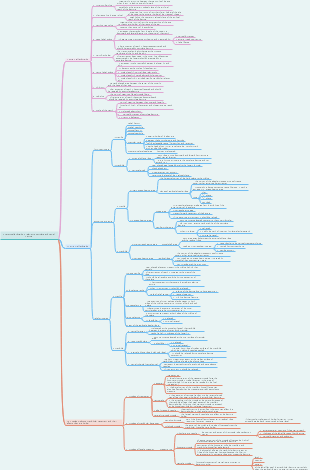
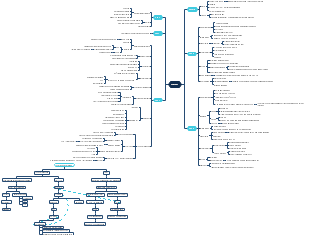
Medication-induced micronutrient depletion (MIMD) is a condition that occurs when certain medications interfere with the absorption or utilization of essential micronutrients in the body. MIMD can lead to deficiency symptoms and adverse health outcomes. Medications that commonly cause MIMD include proton pump inhibitors, statins, and diuretics. The depletion of micronutrients such as iron, magnesium, and zinc can result in a range of symptoms, including fatigue, muscle weakness, and cognitive decline. To prevent MIMD, it is essential to maintain a balanced diet rich in micronutrients and to take any prescribed medications under the guidance of a healthcare provider. This is a mind map about the Medicine Cause Micronutrient Department. The map consists of 41 main branches, namely: Histamin H2 Blockers, H+Pump Inhibitors (PPI), Colchicine, Salicylates, NSAID'S, Acetaminophen, Centrally Acting Antihypertesting, Cardiac Glycosides, B-Blockers, Ca Channel Blockers (CCBs), ACE Inhibitors, K-Sparing Dicretics, Thiazide Dicretics, Loop Dicretics, Bile-A Sequencts&or Orfistat, Status ins, Thiazolidinediones (TZD), Biguinides (Metformin), Sulfonyl urea, Oral Corticosteroids, Mineral Oil, Bisacodyl, Anti TBs, Antibiotics, Amphotericin-B, Anti HIVs (RTI), Estrogens&HRT, Oral Contraceptives, Barbiturates, Phenoin, Carbamasepine, Primidone, Valproic Acid, Tri-C Antidepressants, Phenothiazines, Buterophenes (Haldol), Atypical AntiPsycs, SSRIs, β- 2 Agonists&ICS, Theophylline. Each main branch has multiple sub branch descriptions. Suitable for people interested in this topic.
Medication Cause nutrition Depletion
- Vitamins Affected By Medications
Vitamins Affected by Medications is an important health issue as many medications can affect the body's absorption and utilization of vitamins. Some drugs may reduce the absorption of vitamins, leading to vitamin deficiency, while others may increase vitamin excretion, resulting in excess. For example, some antibiotics can reduce the body's absorption of vitamin K, while antiepileptic drugs may lead to vitamin D deficiency. In addition, some drugs may interact with vitamins, affecting their efficacy or producing adverse reactions. Therefore, understanding the impact of medication on vitamins is crucial. Doctors should consider this when prescribing and guide patients to supplement vitamins appropriately. At the same time, individuals should also pay attention to their vitamin intake and consult professionals if necessary. Maintaining appropriate levels of vitamins is crucial for overall health. This is a mind map about Vitamins Affected By Medications. The map contains 13 main branches, namely: Vitamin A, Vitamin B1, Vitamin B2, Vitamin B3 (Niacin), Vitamin B5, Vitamin B6, Vitamin B7 (Biotin), Vitamin B9, Vitamin B12, Vitamin C, Vitamin D, Vitamin E, and Vitamin K. Each main branch has detailed descriptions of multiple sub branches. Suitable for people interested in Vitamins Affected By Medications.
- OSCE Competencies
OSCE Competencies is a comprehensive competency model used to evaluate and cultivate the performance of medical students in clinical practice. This model includes seven abilities: medical knowledge, clinical skills, communication and exchange, professional competence, critical thinking, teamwork, and coping with stress. These abilities are crucial in the cultivation process of medical students, helping them better adapt to clinical environments, improve medical quality, and patient satisfaction. Through the evaluation and training of OSCE Competencies, medical students can better understand their strengths and weaknesses, thereby improving their ability level in a targeted manner and laying a solid foundation for their future career. This is a mind map about OSCE Competencies. The map contains 9 main branches, namely: Competency 1: Ethical, Legal and Professional Responsibilities 8%, Competency 2: Patient Care 42%, Competency 3: Product Distribution 13%, Competency 4: Practice Setting 3%, Competency 5: Health Promotion 3%, Competency 6: Knowledge and Research Application 6%, Competency 7: Communication and Education 14%, Competency 8: Intra - and Inter Professional Collaboration 6%. Each main branch has detailed descriptions of multiple sub branches. Suitable for people interested in OSCE Competencies.
- Medication Cause Nutrition Depletion
Medication-induced micronutrient depletion (MIMD) is a condition that occurs when certain medications interfere with the absorption or utilization of essential micronutrients in the body. MIMD can lead to deficiency symptoms and adverse health outcomes. Medications that commonly cause MIMD include proton pump inhibitors, statins, and diuretics. The depletion of micronutrients such as iron, magnesium, and zinc can result in a range of symptoms, including fatigue, muscle weakness, and cognitive decline. To prevent MIMD, it is essential to maintain a balanced diet rich in micronutrients and to take any prescribed medications under the guidance of a healthcare provider. This is a mind map about the Medicine Cause Micronutrient Department. The map consists of 41 main branches, namely: Histamin H2 Blockers, H+Pump Inhibitors (PPI), Colchicine, Salicylates, NSAID'S, Acetaminophen, Centrally Acting Antihypertesting, Cardiac Glycosides, B-Blockers, Ca Channel Blockers (CCBs), ACE Inhibitors, K-Sparing Dicretics, Thiazide Dicretics, Loop Dicretics, Bile-A Sequencts&or Orfistat, Status ins, Thiazolidinediones (TZD), Biguinides (Metformin), Sulfonyl urea, Oral Corticosteroids, Mineral Oil, Bisacodyl, Anti TBs, Antibiotics, Amphotericin-B, Anti HIVs (RTI), Estrogens&HRT, Oral Contraceptives, Barbiturates, Phenoin, Carbamasepine, Primidone, Valproic Acid, Tri-C Antidepressants, Phenothiazines, Buterophenes (Haldol), Atypical AntiPsycs, SSRIs, β- 2 Agonists&ICS, Theophylline. Each main branch has multiple sub branch descriptions. Suitable for people interested in this topic.
- Recommended to you
- Outline