Wondershare EdrawMind
MindMap Gallery Localization in digital marketing strategy
Localization in digital marketing strategy
Localization in digital marketing refers to the process of adapting marketing content and strategies to suit the language, culture, preferences, and behaviors of a specific target market or geographic region. It involves tailoring marketing efforts to resonate with local audiences, enhance engagement, and drive business growth.
Edited at 2023-09-19 14:11:00
- Marketing strategy of car service promotion
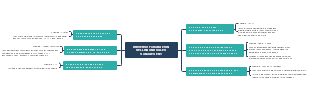
The mind map unveils a dynamic and comprehensive approach to marketing within the automotive service industry. It intricately navigates through strategic steps aimed at promoting car services effectively. From identifying target audiences to crafting compelling promotional messages, the mind map outlines the essential elements of a successful marketing strategy. It delves into various channels for promotion, incorporating both digital and traditional methods, ensuring a wide and impactful reach. The mind map is a guide for businesses seeking to enhance their visibility, attract new customers, and build lasting relationships through strategic and innovative car service promotion.
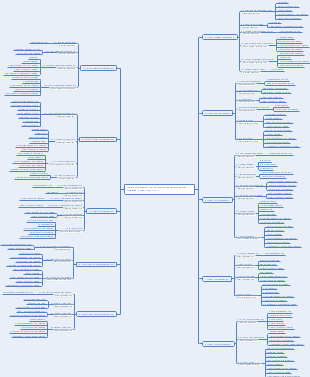
- Target audience for a company that helps register a business in Europe
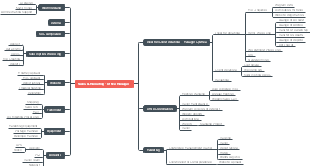
Understanding the diverse target audience for a company specializing in business registration services in Europe is crucial for effective marketing and client engagement. This mind map will explore the different segments of potential clients. By visually mapping out the specific needs, preferences, and challenges of each target group, we can develop tailored strategies to cater to their requirements and provide comprehensive support in navigating the complexities of business registration in Europe.
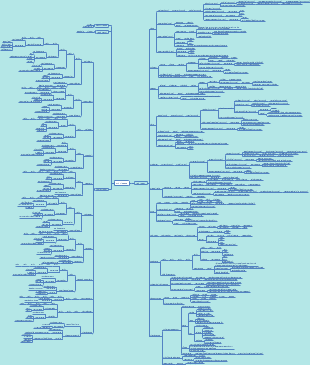
- Document Legalization Digital Marketing Strategy
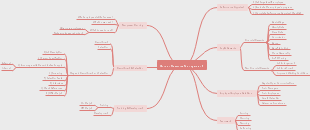
Document legalization refers to the process of verifying the authenticity and validity of a document for use in a foreign country. It involves obtaining an official certification or authentication from the appropriate authorities, confirming that the document is genuine and legally recognized.
Localization in digital marketing strategy
- Marketing strategy of car service promotion
The mind map unveils a dynamic and comprehensive approach to marketing within the automotive service industry. It intricately navigates through strategic steps aimed at promoting car services effectively. From identifying target audiences to crafting compelling promotional messages, the mind map outlines the essential elements of a successful marketing strategy. It delves into various channels for promotion, incorporating both digital and traditional methods, ensuring a wide and impactful reach. The mind map is a guide for businesses seeking to enhance their visibility, attract new customers, and build lasting relationships through strategic and innovative car service promotion.
- Target audience for a company that helps register a business in Europe
Understanding the diverse target audience for a company specializing in business registration services in Europe is crucial for effective marketing and client engagement. This mind map will explore the different segments of potential clients. By visually mapping out the specific needs, preferences, and challenges of each target group, we can develop tailored strategies to cater to their requirements and provide comprehensive support in navigating the complexities of business registration in Europe.
- Document Legalization Digital Marketing Strategy
Document legalization refers to the process of verifying the authenticity and validity of a document for use in a foreign country. It involves obtaining an official certification or authentication from the appropriate authorities, confirming that the document is genuine and legally recognized.
- Recommended to you
- Outline