MindMap Gallery THE INTEGUMANTARY SYSTEM
A mind map of integumentary system. The integumentary system is the organ system that includes the skin, hair, nails, and various glands. It is the largest organ system in the human body and serves several important functions. The integumentary system works in coordination with other organ systems to maintain homeostasis and support overall health.
Edited at 2023-10-15 09:43:59The human skeletal system is a complex structure composed of bones that provide support, protection, and mobility to the body. Understanding the organization of bones is crucial for comprehending their functions and how they interact with other body systems. This mind map will explore the organization of bones.
A mind map of integumentary system. The integumentary system is the organ system that includes the skin, hair, nails, and various glands. It is the largest organ system in the human body and serves several important functions. The integumentary system works in coordination with other organ systems to maintain homeostasis and support overall health.
Cancer is a broad term used to describe a group of diseases characterized by the abnormal growth and division of cells in the body. It is caused by genetic mutations that disrupt the normal regulation of cell growth, leading to the formation of tumors. There are many different types of cancer, including breast cancer, lung cancer, colorectal cancer, prostate cancer, and skin cancer, among others. Each type of cancer behaves differently and requires specific approaches to diagnosis and treatment.
The human skeletal system is a complex structure composed of bones that provide support, protection, and mobility to the body. Understanding the organization of bones is crucial for comprehending their functions and how they interact with other body systems. This mind map will explore the organization of bones.
A mind map of integumentary system. The integumentary system is the organ system that includes the skin, hair, nails, and various glands. It is the largest organ system in the human body and serves several important functions. The integumentary system works in coordination with other organ systems to maintain homeostasis and support overall health.
Cancer is a broad term used to describe a group of diseases characterized by the abnormal growth and division of cells in the body. It is caused by genetic mutations that disrupt the normal regulation of cell growth, leading to the formation of tumors. There are many different types of cancer, including breast cancer, lung cancer, colorectal cancer, prostate cancer, and skin cancer, among others. Each type of cancer behaves differently and requires specific approaches to diagnosis and treatment.
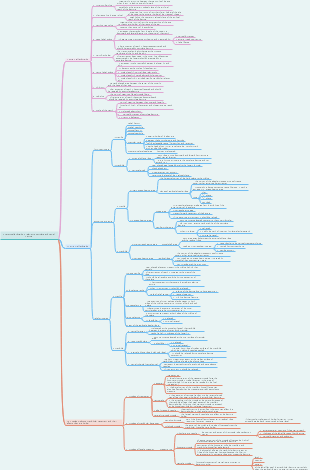
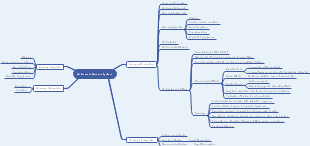
THE INTEGUMANTARY SYSTEM
The regions of the integument
Accessory structures in the integument
Sebaceous glands and Sweat glands
Sebaceous glands
Characteristics
Are contained in the dermis
Surround and empty into hair follicles and pores
The cells forming a sebaceous gland have extremely short lifespan, barely over a week
Are found mostly in the skin on the face, upper back, shoulders, and chest
Functions
Produce the oil sebum that lubricates the skin and hair
Provide a rich environment for the growth of bacteria
When hormones stimulate the sebaceous glands to make more sebum -> pores become clogged and too many dead skin cells -> acne
Later in life these glands produce less sebum -> dry skin as people age
Sweat glands
Characteristics
Is a water - based secretion containing electrolytes, sodium salts, urea, and even trace amounts of urid acid
Mildly acidic
Sweat doesn't smell, when it mixes bacteria on the skin's surface , it can cause body odor
Structures
The eccrine glands
Are found everywhere. Mostly in the forehead, palms, soles of the feet
The apocrine glands
develop at puberty and are concentrated in the armpits and public region
The sweat from the apocrine glands is thicker than that produced by the eccrine glands
Function
Clearing some of the metabolic byproducts of the body
Regulate body temperature
Hair and nails
Hair
Characteristics
Hair is a modified type of skin
Hair grows everywhere on the human body except the palms of the hand, soles of the feet, and lips
Structures
Three layers
The medulla at the center, which is soft
The cortex which surrounds the medulla - the main part of the hair
The cuticle: the hard outer layer that protects the shaft
Nails
Characteristics
Nails are a type of modified skin
It is built up of the protein keratin stiffens epidermal tissue
Structures
The nail matrix
Growth of nails is 1mm per week on average
Creates new skin cells, which pushes out the old, dead skin cells to make the nails
The nail plate
Looks pink because of the network of tiny blood vessels in the underlying dermis
Shape: the lunula
Lighter color as it mixes with the matrix cells
Function
Protect the sensitive tips of fingers and toes
Provide support for the tips of the fingers and toes, protect them from injury, and aid in picking up small objects
Can be an indicator of a person's general health, and illness often affects their growth
Hypodermis
Characteristics
Below the dermis
A layer of subcutaneous tissue
Contains mainly the fat (adipose tissue)
Contains larger blood vessels and nerves than those found in the dermis
Functions
Provide protection for the organs and to insulate the body from cold
Dermis
Characteristics
The thicker inner layer of the skin
Consists mainly of elastic connective tissue
Three kinds of fiibers
Collagen fibers
Elastin fibers
Reticular fibers
A network of blood vessels, lymph vessels and nerves tuns through the dermis
Structures
Dermal papillae form fingerprints
Glands: swear glands, mammary glands, sebaceous glands
Functions
Give the skin strength
Make it flexible
Hold water to moisturize the skin
Allow the skin to stretch
Act like a net to hold connective tissue together
Epidermis
Characteristics
The thin outer layer of the skin
It is built up of flat cells of the epithelium
Structures
Has four layes: stratum basale, stratum spinosum, stratum granulosum, stratum corneum
Three special types of cells: melanocytes, keratinocytes, Langerhans calls
Functions
Form a protective layer of dead cells
Gives the skin the colour, protects the skin from harmful ultraviolet sun rays
Has a group of resident bacteria which are helpful because they have the job fighting bad bacteria and viruses that are trying to invade your body
Produce hair and nails