Wondershare EdrawMind
MindMap Gallery Artheroscleosis
Artheroscleosis
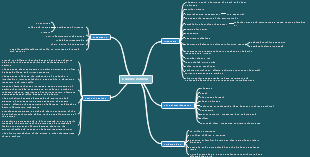
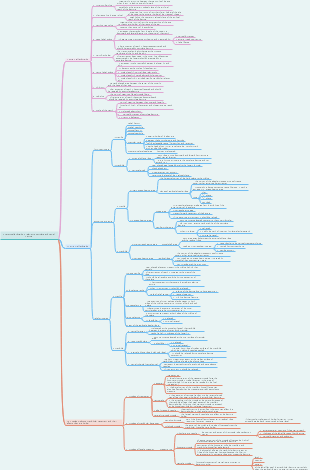
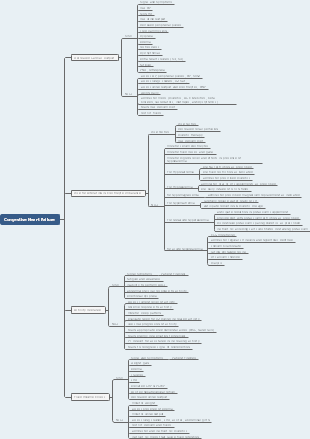
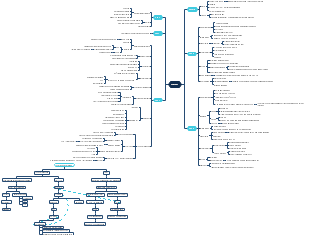
Atherosclerosis is a complex and progressive condition characterized by the buildup of plaque in the arteries, leading to reduced blood flow and potential cardiovascular complications. This mind map aims to provide an in-depth exploration of atherosclerosis. By visually organizing these components, we can gain a comprehensive understanding of the mechanisms and implications of atherosclerosis.
Edited at 2023-11-10 08:48:49
- Chronic Respiratory Failure
Chronic Respiratory Failure is a serious respiratory disorder typically caused by long-term lung disease or dysfunction. Patients often experience symptoms such as difficulty breathing, shortness of breath, and coughing. In severe cases, it may be accompanied by dangerous symptoms such as blurred consciousness and arrhythmia. The treatment of chronic respiratory failure requires comprehensive management, including medication, oxygen therapy, and lifestyle adjustments. Patients need to actively cooperate with the doctor's treatment suggestions, control the progression of the condition, and improve their quality of life. This is a mind map about Chronic Respiratory Failure. The map contains 5 main branches, namely: Recurring Interventions, Pathophysiology, Etiology, Treatment, Signals/Symptoms. Each main branch has a detailed description of its sub branches. Suitable for people interested in Chronic Respiratory Failure.
- Femoral Hernia
Femoral hernia, also known as femoral hernia, is a protrusion of abdominal contents through the femoral canal in the groin area. It is a common type of hernia, especially among women. Symptoms may include a painless bulge in the groin that may increase with standing or coughing. Surgical repair is usually recommended to prevent complications like bowel obstruction or strangulation. Prompt diagnosis and treatment are crucial for effective management of femoral hernia. This is a mind map about Femoral Hernia. The map contains 5 main branches, namely: Pathography, Etiology, Treatment, Nursing Interventions, Signs, and Symptoms. Each main branch has detailed descriptions of multiple sub branches. Suitable for people interested in Femoral Hernia.
- Integumentary System: Anatomy and Functions of the Skin
Delve into the intricacies of the body's largest organ with our comprehensive overview of the integumentary system. This detailed guide explores the multi-layered structure of the skin, including the protective epidermis, the nutrient-rich dermis, and the insulating subcutaneous tissue. Learn about the key cell types like keratinocytes and melanocytes, and their vital roles from forming the barrier to synthesizing pigment. The guide also covers the skin's appendages such as sweat and sebaceous glands, hair, and nails, along with their functions in protection, regulation, and sensation. Perfect for students and healthcare professionals, this resource provides an in-depth understanding of skin's anatomy and its essential roles in overall health.
Artheroscleosis
- Chronic Respiratory Failure
Chronic Respiratory Failure is a serious respiratory disorder typically caused by long-term lung disease or dysfunction. Patients often experience symptoms such as difficulty breathing, shortness of breath, and coughing. In severe cases, it may be accompanied by dangerous symptoms such as blurred consciousness and arrhythmia. The treatment of chronic respiratory failure requires comprehensive management, including medication, oxygen therapy, and lifestyle adjustments. Patients need to actively cooperate with the doctor's treatment suggestions, control the progression of the condition, and improve their quality of life. This is a mind map about Chronic Respiratory Failure. The map contains 5 main branches, namely: Recurring Interventions, Pathophysiology, Etiology, Treatment, Signals/Symptoms. Each main branch has a detailed description of its sub branches. Suitable for people interested in Chronic Respiratory Failure.
- Femoral Hernia
Femoral hernia, also known as femoral hernia, is a protrusion of abdominal contents through the femoral canal in the groin area. It is a common type of hernia, especially among women. Symptoms may include a painless bulge in the groin that may increase with standing or coughing. Surgical repair is usually recommended to prevent complications like bowel obstruction or strangulation. Prompt diagnosis and treatment are crucial for effective management of femoral hernia. This is a mind map about Femoral Hernia. The map contains 5 main branches, namely: Pathography, Etiology, Treatment, Nursing Interventions, Signs, and Symptoms. Each main branch has detailed descriptions of multiple sub branches. Suitable for people interested in Femoral Hernia.
- Integumentary System: Anatomy and Functions of the Skin
Delve into the intricacies of the body's largest organ with our comprehensive overview of the integumentary system. This detailed guide explores the multi-layered structure of the skin, including the protective epidermis, the nutrient-rich dermis, and the insulating subcutaneous tissue. Learn about the key cell types like keratinocytes and melanocytes, and their vital roles from forming the barrier to synthesizing pigment. The guide also covers the skin's appendages such as sweat and sebaceous glands, hair, and nails, along with their functions in protection, regulation, and sensation. Perfect for students and healthcare professionals, this resource provides an in-depth understanding of skin's anatomy and its essential roles in overall health.
- Recommended to you
- Outline