MindMap Gallery Idea to Ebook
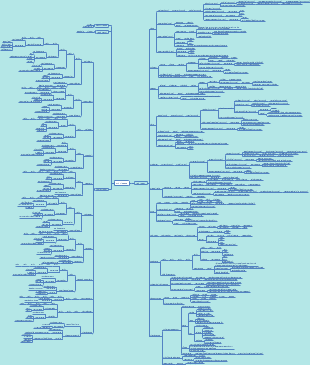
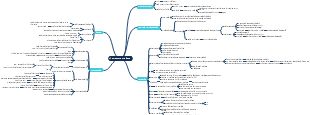
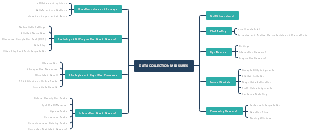
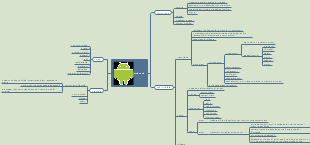
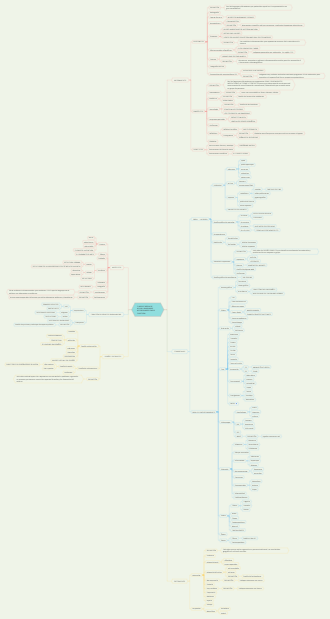
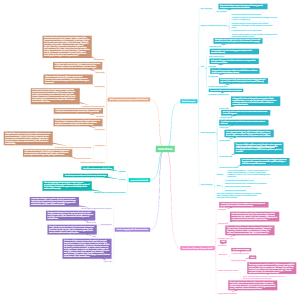
Idea to Ebook is the process of transforming creative thinking into e-books. It starts with the flashes of inspiration, and through systematic content planning, writing, design, and layout, ultimately presents ideas to readers in the form of e-books. This process not only requires creators to have a solid writing foundation, but also to have good aesthetic and design abilities to ensure that e-books can attract and meet the target readers in both content and form. The implementation of Idea to Ebook is not only a way for creators to express themselves, but also an important way to spread knowledge and ideas. This is an idea to book mind map. The map contains 11 main branches, namely: Generating ideas, Outlining the book, Creating a writing schedule, Author Branding and Career Growth, Distribution and Sales, Book Launch, Marketing and Promotion, Publishing Platform, Preparing for Publication, Reviewing and editing the script, and Writing the first draft. Each main branch has a detailed description of multi-level sub branches. Suitable for people interested in idea to ebook.
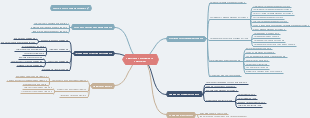
Edited at 2024-02-02 13:27:12This is a mind map about Complete Step-By-Step Self-Publishing Idea to e-book,Main content: Author Branding and Career Growth,Distribution and Sales,Book Launch,Marketing and Promotion,Publishing Platform,Preparing for Publication,Revising and editing the manuscript,Writing the first draft,Creating a writing schedule,Outlining the book,Generating ideas.
Idea to Ebook is the process of transforming creative thinking into e-books. It starts with the flashes of inspiration, and through systematic content planning, writing, design, and layout, ultimately presents ideas to readers in the form of e-books. This process not only requires creators to have a solid writing foundation, but also to have good aesthetic and design abilities to ensure that e-books can attract and meet the target readers in both content and form. The implementation of Idea to Ebook is not only a way for creators to express themselves, but also an important way to spread knowledge and ideas. This is an idea to book mind map. The map contains 11 main branches, namely: Generating ideas, Outlining the book, Creating a writing schedule, Author Branding and Career Growth, Distribution and Sales, Book Launch, Marketing and Promotion, Publishing Platform, Preparing for Publication, Reviewing and editing the script, and Writing the first draft. Each main branch has a detailed description of multi-level sub branches. Suitable for people interested in idea to ebook.
This is a mind map about Complete Step-By-Step Self-Publishing Idea to e-book,Main content: Author Branding and Career Growth,Distribution and Sales,Book Launch,Marketing and Promotion,Publishing Platform,Preparing for Publication,Revising and editing the manuscript,Writing the first draft,Creating a writing schedule,Outlining the book,Generating ideas.
Idea to Ebook is the process of transforming creative thinking into e-books. It starts with the flashes of inspiration, and through systematic content planning, writing, design, and layout, ultimately presents ideas to readers in the form of e-books. This process not only requires creators to have a solid writing foundation, but also to have good aesthetic and design abilities to ensure that e-books can attract and meet the target readers in both content and form. The implementation of Idea to Ebook is not only a way for creators to express themselves, but also an important way to spread knowledge and ideas. This is an idea to book mind map. The map contains 11 main branches, namely: Generating ideas, Outlining the book, Creating a writing schedule, Author Branding and Career Growth, Distribution and Sales, Book Launch, Marketing and Promotion, Publishing Platform, Preparing for Publication, Reviewing and editing the script, and Writing the first draft. Each main branch has a detailed description of multi-level sub branches. Suitable for people interested in idea to ebook.
Complete Step-By-Step of Self-Publishing: Idea toebook
Generating ideas
Brainstorming different concepts and themes for the book
Engaging in research to gather information and inspiration
Creating mind maps or mood boards to visualize the ideas
Discussing ideas with trusted individuals for feedback and suggestions
Outlining the book
Developing a clear structure and organization for the book
Outlining the main chapters or sections of the book
Creating subheadings or bullet points to summarize the content
Rearranging and revising the outline as needed
Creating a writing schedule
Setting specific goals and deadlines for writing
Allocating dedicated time for writing each day or week
Breaking down the writing process into manageable tasks
Using productivity tools or apps for tracking progress and staying on schedule
Writing the first draft
Starting with the introduction or opening chapter
Writing continuously without focusing on perfection
Expressing thoughts and ideas freely without self-censorship
Including relevant details, examples, and anecdotes
Revising and editing the manuscript
Reviewing the first draft for coherence and clarity
Checking for grammatical and spelling errors
Refining the language and improving sentence structure
Seeking feedback from beta readers or writing groups
Making necessary revisions based on feedback
Preparing for Publication
Beta reader feedback
Sharing the manuscript with beta readers for feedback
Evaluating their comments and suggestions
Making revisions or improvements based on the feedback received
Hiring a professional editor
Researching and selecting a qualified editor
Providing the editor with the manuscript for a thorough review
Collaborating with the editor to enhance the overall quality of the book
Proofreading for errors
Conducting a final check for spelling, grammar, and punctuation errors
Reading the manuscript multiple times to ensure accuracy
Seeking assistance from proofreading professionals if needed
Formatting the manuscript
Following the specific formatting guidelines for the chosen publishing platform
Adjusting the font, margins, and spacing as required
Ensuring consistency in formatting throughout the book
Designing the book cover
Hiring a professional book cover designer or creating one independently
Collaborating with the designer to create a visually appealing cover
Incorporating relevant images, colors, and typography
Ensuring the cover reflects the genre and content of the book
Publishing Platform
Choosing a self-publishing platform
Researching and comparing different self-publishing platforms
Considering factors such as fees, royalties, and distribution networks
Reading reviews and seeking recommendations from other authors
Selecting the platform that best suits the needs and goals of the author
Setting up an account
Creating an account on the chosen self-publishing platform
Providing necessary personal and banking information
Verifying the account through email or other methods
Familiarizing with platform guidelines
Reading and understanding the publishing guidelines provided by the platform
Complying with formatting, content, and copyright requirements
Uploading the formatted manuscript and book cover
Uploading the final formatted manuscript in the appropriate file format
Uploading the book cover image following the platform's specifications
Setting the book price and distribution options
Setting the retail price of the book
Choosing the territories and markets for distribution
Deciding on exclusive or non-exclusive distribution options
Selecting digital or print-on-demand distribution methods
Marketing and Promotion
Creating an author website
Designing and developing a professional website or landing page
Showcasing the author's bio, book information, and contact details
Including links to social media profiles and book purchase options
Building a social media presence
Establishing profiles on popular social media platforms
Sharing engaging content related to the book and author's interests
Interacting with followers and responding to comments
Developing a marketing plan
Defining the target audience for the book
Researching effective marketing strategies for reaching the target audience
Setting clear goals and objectives for the marketing campaign
Planning and scheduling promotional activities
Engaging with potential readers
Participating in online forums or groups related to the book's genre
Offering sneak peeks, giveaways, or exclusive content to generate interest
Responding to reader inquiries and building rapport
Utilizing book promotion strategies
Seeking book reviews from influential reviewers or bloggers
Organizing virtual book tours or author interviews
Running promotional campaigns, discounts, or giveaways
Collaborating with other authors or influencers for cross-promotion
Book Launch
Setting a release date
Selecting a specific date for the book's official launch
Considering factors such as seasonality or relevant events
Avoiding conflicts with other major book releases
Organizing a launch event or virtual launch party
Planning and hosting an in-person or virtual event to celebrate the release
Inviting friends, family, and potential readers to attend
Conducting readings, Q&A sessions, or book signings
Offering signed copies or other special merchandise
Sending press releases to media outlets
Creating an engaging press release with key book details
Compiling a list of relevant media outlets and contacts
Distributing the press release via email or online distribution services
Following up with journalists or bloggers for potential coverage
Promoting the book through various channels
Leveraging social media platforms to create buzz and share updates
Advertising on relevant websites, blogs, or social media platforms
Utilizing email marketing campaigns to reach potential readers
Participating in book fairs, conferences, or local events
Encouraging reviews and feedback from readers
Asking friends, family, and beta readers to leave reviews
Encouraging readers to post their honest opinions and ratings
Monitoring and responding to reviews on online platforms
Using positive reviews as testimonials for future marketing efforts
Distribution and Sales
Distributing eBooks and/or print copies
Uploading eBooks to popular online retailers such as Amazon or Barnes & Noble
Considering additional platforms for wider distribution
Choosing print-on-demand or traditional printing options for physical copies
Maximizing sales through different online retailers
Optimizing book descriptions and keywords for better visibility
Running targeted advertising campaigns on platforms like Amazon
Participating in promotional programs, such as Kindle Unlimited or Goodreads Deals
Exploring options for physical book distribution
Researching distributors, wholesalers, or bookstores for potential partnerships
Offering physical copies to local bookstores or libraries
Consigning books with independent bookshops or retailers
Tracking sales and royalties
Utilizing analytics provided by the self-publishing platform
Monitoring and analyzing sales data regularly
Calculating royalty earnings and tracking payment schedules
Monitoring reviews and adjusting marketing strategies
Keeping track of reader reviews and ratings on various platforms
Paying attention to feedback and areas for improvement
Adjusting marketing efforts based on reader response and market trends
Author Branding and Career Growth
Building an author brand and author platform
Establishing a consistent author persona or brand image
Designing a logo or visual identity for the author brand
Creating a professional author bio and author photo
Maintaining a consistent voice and style across all author-related platforms
Engaging with readers and building a fan base
Interacting with readers through social media, email, or events
Responding to reader comments and questions promptly
Offering exclusive content or behind-the-scenes insights to loyal readers
Building a mailing list for newsletters and updates
Continuously writing and publishing new books
Developing ideas and concepts for future book projects
Creating a writing schedule to ensure consistent output
Seeking feedback and input from readers to guide future writing endeavors
Collaborating with other authors or professionals
Networking and forming connections with fellow authors
Collaborating on joint book projects or anthologies
Seeking endorsements or forewords from established authors
Expanding into other writing or publishing ventures
Exploring opportunities for writing articles, blogs, or guest posts
considering options for self-publishing in different formats or genres
Exploring traditional publishing avenues or agent representation