MindMap Gallery Modern History of India for UPSC
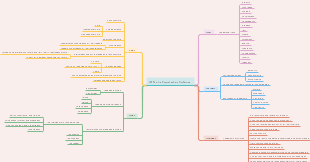
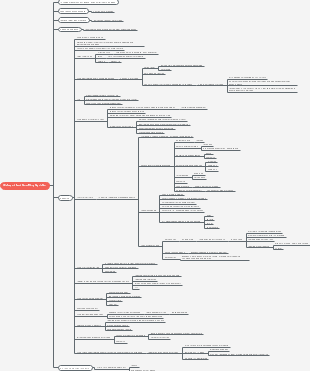
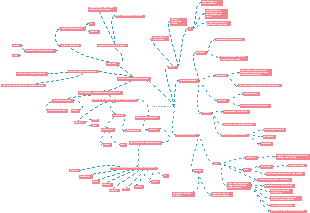
Modern Indian history has undergone many significant events and changes. Since its independence in 1947, India has faced multiple challenges such as economic development, political stability, and social change. In the early stages of independence, India implemented a planned economy and gradually shifted towards a market economy, promoting economic growth. Politically, the Indian Constitution establishes a democratic system and guarantees the rights of citizens. In terms of society, India is committed to eradicating poverty, promoting universal education, and gender equality. Meanwhile, India is also facing issues such as terrorism and separatism. Modern Indian history is a complex process full of challenges and opportunities. This is a mind map about Modern History of India for UPSC. The map contains three main branches, namely: Introduction to British Colonialism in India, Indian Nationalism and the Struggle for Independence, PostIndependence India. The first main branch has detailed descriptions of multi-level sub branches. Suitable for people interested in Modern History of India for UPSC.
Edited at 2024-02-05 14:17:40Modern History of India for UPSC:

Introduction to British Colonialism in India
British East India Company's Trade Relations with India
Establishment of British trading posts in India
The first British trading post was established in the city of Surat in Gujarat in 1608. Gradually, other ports such as Madras, Calcutta and Bombay became major trading hubs for the British. This allowed them to increase their presence in India and establish a foothold in the region. One of the key benefits of the British trading posts was the opening up of new markets for Indian goods. Indian cotton textiles and spices, in particular, became highly sought after in Europe. This led to a surge in the Indian textile industry, creating new employment opportunities and spurring economic growth. However, the establishment of British trading posts also had negative consequences for India. The British exploited India's resources, often taking advantage of the weak leadership and political instability in the region. They also introduced a system of taxation that was burdensome to the Indian people. Moreover, the British gradually began to extend their control over Indian territories, eventually leading to the colonization of India. This was achieved through a combination of military conquest and political takeover sometimes with the support of local rulers who were manipulated by the British to maintain their own power. In conclusion, the establishment of British trading posts in India had significant and lasting impacts on the country. While it brought about economic benefits, it also paved the way for colonization and exploitation. Understanding this history is important for appreciating the complex relationship between Britain and India, and for understanding the challenges that India has faced in its struggle for independence and economic development.
1. Early British trading efforts in India
2. East India Company's establishment in India
3. Early British trade routes in India
Early British trade routes in India are a fascinating example of how European traders exploited and profited from the resources and economies of other nations during the colonial period. The British East India Company established a trade monopoly over India and began exporting Indian textiles, spices, and other goods to Europe in the 17th century. The company used the ports of Mumbai, Chennai, and Kolkata to transport these goods via sea routes to Europe. The trade routes were also used by the British to import British goods such as metals, guns, and cloth into India. The trade routes were also used by the British to expand their political control over India by establishing trading posts and diplomatic relations with various Indian rulers. Eventually, the British East India Company became the de facto ruler of India and ruled the country on behalf of the British Empire for almost two centuries. Unfortunately, the early British trade routes in India were also responsible for the exploitation and impoverishment of the Indian people. British traders often paid very low prices for Indian goods, leading to a decline in the incomes of Indian farmers and artisans. Moreover, the British government imposed heavy taxes on Indian goods, which further reduced the profits of Indian traders. The Indian textile industry, which had been a cornerstone of the Indian economy, was eventually destroyed by the British textile industry, leaving few avenues of economic growth for India. In conclusion, the early British trade routes in India are a fascinating case study of how colonial powers can exploit the economies of other nations for their own profit. The trade routes were instrumental in the growth of the British economy and the spread of British political influence, but also led to the impoverishment and destruction of Indian industries. It is important to remember this history and learn from it so that we can avoid repeating the mistakes of the past.
4. The establishment of trading posts in key Indian cities
5. The growth of British influence in Indian trade
6. Opposition to British trading posts from Indian rulers
7. The role of the British army in securing trade routes and posts
8. Impact of British trading on local Indian economies
9. The rise of British power in India through trading posts
10. Development of infrastructure and communication networks to support trade
11. Changes in Indian society and culture due to British trade
12. British policy towards Indian traders and merchants
13. The impact of British trading posts on political and diplomatic relations between India and the British Empire.
Expansion of trade, colonization, and revenue collection by British East India Company
British Colonial Authority's Annexation of India
Mughal Empire and its decline
British annexation of Bengal, Punjab, and other Indian territories
Indian Nationalism and the Struggle for Independence
Indian National Congress
Foundation and leaders
Moderate and radical wings of the Congress
NonCooperation and Civil Disobedience Movements
Gandhian philosophy and its role in Indian Independence
Mass mobilization of Indians against British rule
Partition of India and Independence
Causes and consequences of Partition
Social and political unrest during and after Partition
Riots and violence between Hindus, Muslims, and Sikhs
The Partition of India in 1947 led to riots and violence between Hindus, Muslims, and Sikhs. The separation of the country into India and Pakistan along religious lines led to widespread displacement and communal tension .
There was a massive migration of people across the newly drawn border, with Hindus and Sikhs migrating to India and Muslims migrating to Pakistan. Millions of people were uprooted from their homes and
The Partition of India in 1947
Riots and violence between Hindus, Muslims, and Sikhs
Widespread displacement
Communal tension
Destruction of homes, businesses, and communities
Struggle for power and control
Political and religious differences
HinduMuslim conflict
Sikh demands for autonomy
Role of British colonial rule
Divide and conquer tactics
Failure to address growing tensions
Lasting impacts
Trauma and psychological scars
Longlasting pain and suffering
Continued tensions and conflict
Kashmir conflict
Religious discrimination and violence
Cultural and social changes
Changes in language, food, and dress
Shifts in social norms and relationships
Many Hindus and Sikhs migrated from Pakistan to India, while Muslims moved in the opposite direction. This mass migration resulted
in one of the largest human displacements in history, with an estimated 10 to 12 million people uprooted from their homes and relocated to a different country. The cause of this massive migration was the partition of British India into two separate states India and Pakistan that were divided along religious lines after gaining independence in 1947. For the Hindus and Sikhs who migrated from Pakistan to India, the move was often accompanied by horrific violence and trauma. Many were forced to leave their ancestral homes in a hurry, leaving behind their possessions and loved ones. They faced immense challenges upon arrival in India, including resettlement, rebuilding their lives, and adjusting to a new cultural environment. The experience of being uprooted from one's homeland, coupled with communal violence and displacement, has had a profound impact on these communities and their descendants. The Muslims who migrated from India to Pakistan also faced significant challenges, both during the journey and upon arrival. Many had to abandon their homes and businesses and journeyed long distances on foot, often under brutal conditions. Once in Pakistan, many struggled to find housing and employment and had to start their lives anew in a new and unfamiliar country. The mass migration also had wider economic and political implications. The relocation of skilled labor, entrepreneurs, and other professionals had a significant impact on the economies of both countries. The partition led to increased tensions between India and Pakistan, which persist to this day and have resulted in several wars between the two nations. Overall, the mass migration resulting from the partition of British India was an event of immense historical significance, with longlasting social, cultural, economic, and political implications. It serves as a reminder of the deepseated religious and cultural differences that continue to shape the subcontinent, and the need for tolerance, understanding, and empathy in building a more harmonious future.
Displacement and migration of families across the newly drawn border
Separation of families and loved ones
Trauma and psychological impact on individuals
Struggle for resources and rehabilitation in new locations
Formation of refugee camps and refugee communities
Political tensions and power struggles between India and Pakistan
Repercussions of Partition on the economic, social, and cultural fabric of both countries
Formation of new identity and nationalistic narratives
Ongoing conflicts and territorial disputes between India and Pakistan
Role of international actors in mediating the conflicts and refugee crisis
Legacy of Partition in contemporary South Asian politics and identity formation
PostIndependence India
Constitution of India
Framing and adoption process
Salient features and significance
Nehruvian Socialism and Mixed Economy
Economic policies of Nehru and their impact
Emergence of a mixed economy in India
India's Foreign Policy
NonAlignment with Superpowers
India's role in the Cold War
Emergence of Regionalism and Identity Politics
Linguistic and ethnic diversity in India
Political mobilization on regional and identity issues
Economic Liberalization and Globalization
1991 economic reforms and their impact
Globalization and India's role in the world economy.
Floating Topic
Main Idea
Main Topic
Main Topic
Main Topic