Wondershare EdrawMind
MindMap Gallery Laboratory Titration
Laboratory Titration
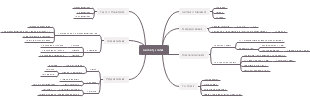
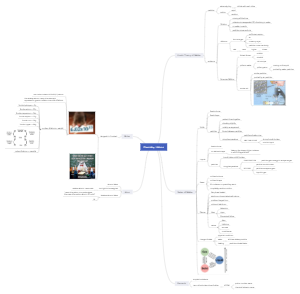
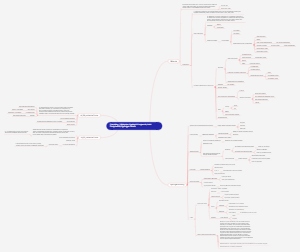
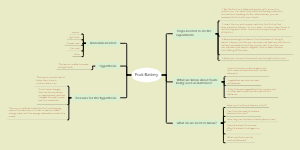
Laboratory titration is a commonly used chemical analysis method. By accurately adding a titrant and reacting with the measured solution, the endpoint of the reaction is observed to determine the concentration or content of the measured substance. This process requires strict control of conditions such as temperature, stirring speed, and titrant addition rate to ensure accurate results. Titration method is widely used in various chemical and biochemical experiments, such as acid-base titration, redox titration, and complexation titration. Correct operation and accurate data recording are crucial for obtaining reliable results, therefore experimenters need to have a solid theoretical foundation and experimental skills. This is a mind map about Lab Titration. The map contains three main branches, namely: For knowledge concentration liquid (liquid A), For the liquid that we want to measure its concentration (liquid B), and During the experiment. Each main branch has detailed descriptions of multiple sub branches. Suitable for people interested in Lab Titration.
Edited at 2024-02-16 01:53:32
- Recommended to you
- Outline