Wondershare EdrawMind
MindMap Gallery Twelve Principles of CTML (Cognitive Theory of Multimedia Learning)
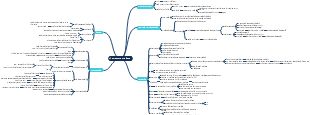
Twelve Principles of CTML (Cognitive Theory of Multimedia Learning)
Cognitive Theory of Multimedia Learning is one of the important theories in the field of educational psychology. It emphasizes the interactive relationship between learners' cognitive processes and media presentation methods in multimedia learning environments. This theory proposes that by designing multimedia teaching materials reasonably, learners can optimize their information processing and memory processes, thereby improving learning outcomes. This theory provides theoretical support and practical guidance for multimedia teaching design, which helps to improve teaching quality and the learning experience of learners. This is a mind map about 12 Principles of Cognitive Theory of Multimedia Learning. The map contains 12 main branches, namely: The Coherence Principle, The Signaling Principle, The Redundancy Principle, The Spatial Contiguity Principle, The Temporary Contiguity Principle, The Segmenting Principle, The Pre Training Principle, The Modality Principle, The Multimedia Principle, The Personalization Principle, The Voice Principle, The Image Principle. Each main branch has a detailed description of its sub branches. Suitable for people interested in 12 Principles of Cognitive Theory of Multimedia Learning.
Edited at 2024-03-12 14:41:40
- Recommended to you
- Outline