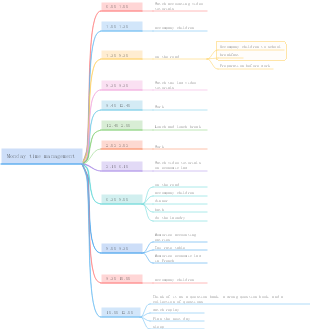
Chapter 1: Introduction to Health Management 5-6 minutes (about 2 days)
1. The concept of health management and the specific characteristics of standardization, quantification, and individualization of services
2. Basic steps and specific goals of health management
3. Development trends of health management
4. The content, principles, characteristics and significance of basic health care
5. Primary health care goals and strategies
The content of this chapter is simple, easy to understand, and memory-oriented
Chapter 2: Basic knowledge of clinical medicine 5-6 points (about 2 days)
1. Understand the subject classification and main characteristics of clinical medicine
2. Understand modern medical diagnostic methods and technologies
3. Master the main treatment methods of modern medicine and how to make reasonable selection and use of medicines
4. Master the application of clinical medicine in health management
This chapter involves some basic clinical concepts of Western medicine. The examination is not in-depth. You only need to master the test points in the examination syllabus.
Chapter 3: Basic knowledge of preventive medicine 5-6 points (about 2 days)
1. Concept and subject system of preventive science
2. What are the determinants of health?
3. Tertiary prevention strategy
4. Contents of clinical preventive services
5. Content and implementation principles of community public health services
6. National basic health services and management of occupational diseases
This chapter is a key chapter of health management. It has not much content and requires understanding and memory.
Chapter 4: Common Chronic Diseases 10-12 points (about 2 days)
1. Conceptual characteristics of chronic diseases and risk factors for disease
2. Risk factors and early screening and diagnosis of malignant tumors
3. Diagnosis and risk factors of hypertension
4.Diagnosis and risk factors of type 2 diabetes
5. Types, diagnostic methods and risk factors of coronary heart disease
6. Types, diagnostic methods and risk factors of stroke
7. Types, diagnostic methods and risk factors of COPD
8. Diagnosis and harm of overweight and obesity, oral diseases, and osteoporosis
This chapter is a key chapter. The exam content is slightly more difficult than other chapters. It requires more understanding and memory. If you have no clinical foundation, you need to read the knowledge points several times.
Chapter 5: Basic knowledge of epidemiology and medical statistics 4-6 points (about 2 days)
1. Definition, tasks and research methods of epidemiology
2. Commonly used indicators in epidemiology
3. Epidemiological research methods
4. Concepts, contents and types of statistical data in medical statistics
5. Basic steps of medical statistics
6. Statistical description and statistical inference
Statistics in this chapter is relatively difficult to understand and slightly abstract, requiring candidates to memorize unfamiliar concepts.
Chapter 6: Health Education 6-7 points (about 2 days)
2. Steps in designing health education plans and determining health education goals
3. Implementation of education plans
4. Evaluation of health education
5. The core meaning of health education and the areas involved
6. The "knowledge, belief, action" and "health belief" models of health-related behavior change and the stage theory of behavior change
7. Concepts and models of health communication as well as forms and media of health communication
The content of this chapter is relatively simple, focusing on mastering the knowledge points mentioned in the exam syllabus.
Chapter 7: Nutrition and Food Safety 8-10 points (about 3 days)
1. The concepts of nutrients and the three major energy-producing nutrients
2. Physiological functions of proteins, fats, and carbohydrates (emphasis)
3. Classification of micronutrients (memorize and master them)
4. Classification of food (memorize it)
5. "Dietary Guidelines for Chinese Residents" and Diet Pagoda (memorize and use them)
6. Dietary Guidelines for Special Populations (Know by Memorize)
7. The concept of health food and the regulations of health food in my country (memorize it)
8. Classification and identification of health food (memorize it by heart)
9. Food Safety: Foodborne Diseases and Food Poisoning (Key Points)
This chapter is a key chapter, with a lot of exam content, and candidates need to learn application and answering skills in addition to memorization.
Chapter 8: Basic knowledge of physical activity 6-8 points (about 2 days)
The main focus of this chapter is:
1. The meaning and classification of physical activities
2. Intensity, benefits and principles of physical activity
3. Formulation of physical activity prescriptions
4. Simple obesity and physical activity
5. Diabetes patients and physical activity
6. Essential hypertension and physical activity
This chapter has some special values and times that need to be memorized accurately.
Chapter 9: Mental Health 3-5 points (about 1 day)
The main focus of this chapter is:
1. Overview of mental health and mental hygiene
2. Stages of mental health and psychological development
3. Assessment of common mental health behaviors and psychological disorders
4. Methods to maintain and promote mental health
This chapter is a relatively independent chapter, and the knowledge points examined are relatively simple. It covers a wide range of topics but does not examine it deeply.
Chapter 10: Basic knowledge of traditional Chinese medicine and health care 2-4 minutes (about 1 day)
The main focus of this chapter is:
1.Basic theory of traditional Chinese medicine
2. Diagnosis and treatment methods of traditional Chinese medicine: four diagnosis and dialectical treatment
3. Basic theories of traditional Chinese medicine health preservation
4. Principles of traditional Chinese medicine health care
5. Commonly used traditional Chinese medicine health care methods
This chapter contains less content and does not test many knowledge points, focusing on memory.
Chapter 11: Basic knowledge of rehabilitation medicine 5-6 minutes (about 2 days)
1. Concept and content of rehabilitation medicine
2. Disability medicine and rehabilitation service system
3. Rehabilitation service system and rehabilitation institution construction
4. Rehabilitation prevention, rehabilitation assessment, and rehabilitation treatment
5. Working methods and methods of rehabilitation medicine
6. What are the rehabilitation treatment techniques?
This chapter is relatively professional and requires candidates to memorize it accurately, but the content is not much.
Chapter 12: Health Informatics 5-6 points (about 1 day)
1. Meaning, characteristics and classification of information
2. Information collection methods and database establishment
3. Update, organize and utilize information
4. Electronic medical records and electronic health records
5. Resident health records
6. Establishment and classification requirements of residents’ health records
7. Health big data and Internet mobile medical care
Newer majors require candidates to understand the content taught by the teacher and combine it with the questions.
Chapter 13: Medical Ethics and Professional Ethics 3-4 points (about 1 day)
1. Medical ethics, its definition and basic principles
2. Health management norms, rights and obligations
3. Professional ethics of health managers
The content of this chapter is simple. You basically study the course taught by the teacher and then combine it with the exercises.
Chapter 14: Health Insurance and Health Management 3-5 minutes (about 1 day)
1. Overview and Classification of Health Insurance
2. Health Insurance Risks
3. Demand and supply of health insurance
4. Application and integration of health management in health insurance
The content is less and the inspection is relatively simple.
Chapter 15: Health Management Service Marketing 5-6 points (about 1 day)
1. Concept and characteristics of health management services
2. Marketing of health management services
3. Analysis of health management behaviors
4. Principles of naming and naming of health-related products
5. Health management related products
Chapter 16: Knowledge of laws and regulations related to health management 3-4 points (about 1 day)
1. Knowledge related to the "Labor Contract Law of the People's Republic of China": establishment of labor contracts, performance and termination, etc.
2. Knowledge related to the "Consumer Rights and Interests Protection Law of the People's Republic of China": Rights and Obligations of Consumer Operators
3. Knowledge related to the "Food Safety Law of the People's Republic of China": Food Safety Standards System
4. Knowledge related to the "Traditional Chinese Medicine Law of the People's Republic of China": Legislative Highlights
This chapter is a legal article that requires everyone to memorize it. It is not very logical and is mainly based on memorization.
 Wondershare EdrawMind