MindMap Gallery meningitis
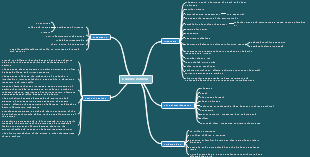
This is a mind map about meningitis,Main content: the research role,prevented by,definition,treated by,diagnosed by,complain from,appears as,caused by,types.
Edited at 2024-03-24 14:11:43This is a mind map about meningitis,Main content: the research role,prevented by,definition,treated by,diagnosed by,complain from,appears as,caused by,types.

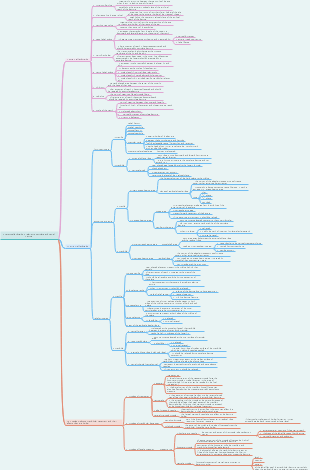
This is a mind map about Diabetes,Main content: Managment,prevention and conrtol,definition,treatmeant,Diagnosis,complications,symptoms,CAUSES AND risk factors,TYPES.
This is a mind map about meningitis,Main content: the research role,prevented by,definition,treated by,diagnosed by,complain from,appears as,caused by,types.
This is a mind map about Diabetes,Main content: Managment,prevention and conrtol,definition,treatmeant,Diagnosis,complications,symptoms,CAUSES AND risk factors,TYPES.
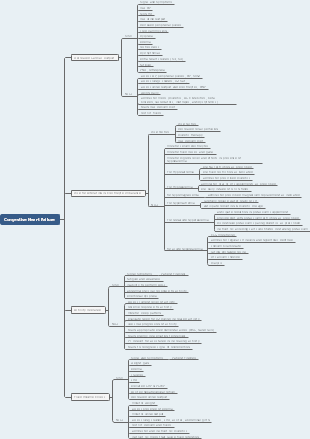
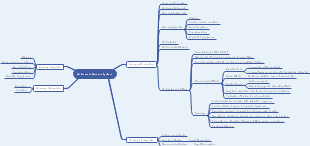
glaucoma
definition
is a group of eye conditions that damage the optic nerve
types
Primary open-angle glaucoma
Angle-closure glaucoma
risk factors
Previous eye injury or surgery
Long-term use of corticosteroid medications
Family history of glaucoma
Floating Certain medical conditions, such as diabetes and high blood pressure Topic
causes
untreated Increased intraocular pressure
Optic nerve damage
Certain medications and medical conditions, such as diabetes
Thin corneas
symptoms
Open-angle glaucoma
No symptoms in early stages
Gradually, patchy blind spots in your side vision. Side vision also is known as peripheral vision
In later stages, difficulty seeing things in your central vision
Acute angle-closure glaucoma
Severe headache
Severe eye pain
Nausea or vomiting
Blurred vision
Halos or colored rings around lights
Eye redness
complications
Blindness: If left untreated, glaucoma can cause irreversible blindness in severe cases.
Vision loss: Glaucoma can lead to gradual vision loss, often starting with peripheral vision and eventually affecting central vision.
Reduced quality of life: The impact of glaucoma on daily activities such as driving, reading, and overall independence can significantly reduce the quality of life for affected individuals.
Emotional impact: Coping with the diagnosis and management of glaucoma can lead to emotional stress and anxiety for many patients.
diagnosis
Measuring intraocular pressure, also called tonometry
Testing for optic nerve damage with a dilated eye examination and imaging tests
Checking for areas of vision loss, also known as a visual field test
Measuring corneal thickness with an exam called pachymetry
Inspecting the drainage angle, also known as gonioscopy
prevent and mangment
Get regular eye exams to check for glaucoma and other eye conditions.
Use protective eyewear in situations where there is a risk of eye injury or trauma.
Adhere to prescribed medication regimens and attend follow-up appointments with your healthcare provider for ongoing management of glaucoma.
Follow your doctor's recommendations for managing any underlying health conditions, such as diabetes or high blood pressure, which can contribute to glaucoma.
Be mindful of potential symptoms of glaucoma, such as vision changes or eye pain, and seek prompt medical attention if you experience any concerning signs.
Exercise regularly and maintain a healthy diet to promote overall eye health.
treatment
Eye drops:
- Prostaglandin analogs: These eye drops work by increasing the outflow of fluid from the eye and are often used as a first-line treatment for glaucoma.
- Beta blockers: These eye drops reduce the production of fluid in the eye, helping to lower intraocular pressure.
- Alpha agonists: These eye drops decrease the production of aqueous humor and increase its outflow, thus reducing intraocular pressure.
- Carbonic anhydrase inhibitors: These eye drops reduce intraocular pressure by decreasing the production of fluid in the eye.
- Rho kinase inhibitors: This newer class of eye drops works by increasing aqueous outflow through a different mechanism than other glaucoma medications.
Laser surgery
- Laser surgery is a common treatment for glaucoma.
Oral medications
Microsurgery (trabeculectomy)
Minimally invasive glaucoma surgery (MIGS)
Early detection through visual field testing can aid in timely intervention and management of glaucoma to prevent further vision loss.
Alternative medicine
Marijuana. Research shows that marijuana lowers eye pressure in people with glaucoma, but only for 3 to 4 hours
Relaxation techniques. Stress may trigger an attack of acute angle-closure glaucoma
Research and advancements in glaucoma treatment
Introduction of minimally invasive glaucoma surgery (MIGS) techniques
Development of sustained-release drug delivery systems for glaucoma medications
Use of advanced imaging techniques such as optical coherence tomography (OCT) for early detection and monitoring of glaucoma progression
Investigation into the role of neuroprotection in preventing vision loss in glaucoma patients
Integration of artificial intelligence and machine learning algorithms for glaucoma diagnosis and management