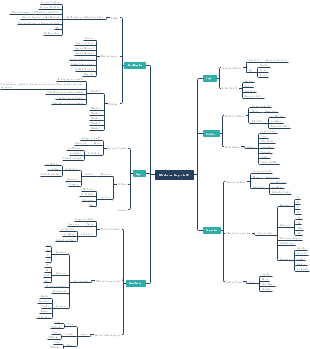
MindMap Gallery epithelial tissue
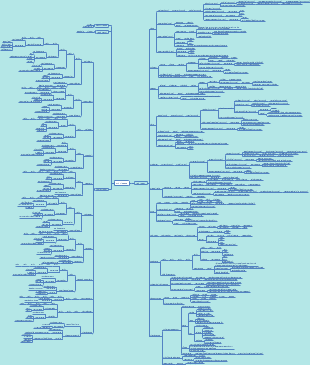
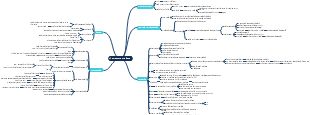
Epithelial tissue plays an important role in the human body. It is the first line of defense between the human body and the external environment and has the function of protecting the body from harmful substances in the outside world.
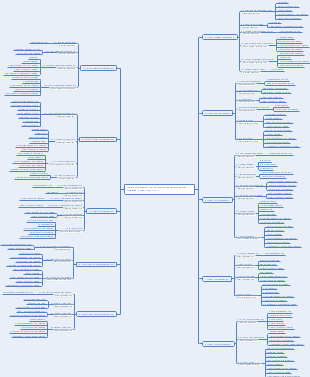
Edited at 2024-04-08 10:51:06This is a panoramic infographic—currently sweeping across the web—illustrating the comprehensive applications of OpenClaw, a popular open-source AI agent platform. It systematically introduces this intelligent agent framework—affectionately dubbed "Lobster Farming"—helping readers quickly grasp its core value, technical features, application scenarios, and security protocols. It serves as an excellent introductory guide and practical manual.
這是一張最近風靡全網關於熱門開源AI代理平台OpenClaw的全網應用全景圖解。它系統性地介紹了這款被稱為「養龍蝦」的智慧體框架,幫助讀者快速理解其核心價值、技術特性、應用場景及安全規範,是一份極佳的入門指南與實操手冊。此圖主要針對希望利用AI建構自動化工作流程的技術從業人員、中小企業主及效率追求者,透過9大模組層層遞進,全面剖析了OpenClaw從概念到落地的整個過程。 圖中核心內容首先釐清了「養龍蝦」指涉的是OpenClawd開源智能體,並強調其本質是「AI基建」而非一般聊天機器人。隨後詳細比較其與傳統AI助理的區別,擁有記憶管理、權限控制、會話隔離和異常恢復四大基礎能力,支援跨平台存取和多模型相容(如GPT、Claude、Ollama)。同時,圖解提供了完整的部署方案(雲端/本地/Docker),並列舉了辦公室自動化、內容創作、資料收集等五大應用程式場景。此外,還展示了其火爆程度、政府與大廠佈局、安全部署建議及適合/不適合的人群分類。幫助你快速掌握OpenClaw技術架構與應用價值,指導個人或企業建構AI自動化系統,規避資料外洩與權限失控風險,是學習「執行式AI」轉型的權威參考圖譜。
本圖由萬興腦圖繪製,是針對IT研發崗位的結構化個人履歷模板,完整涵蓋求職核心資訊模組。基本資訊區包含姓名、電話、信箱、求職意願及GitHub連結;專業概要要求以2-3句提煉核心優勢;工作經驗以「公司A高級Java開發工程師」為例,以「透過(行動),達成(量化成果)」格式呈現微服務架構設計、系統效能優化、團隊技術規範制定等職責,公司B經歷則聚焦功能模組開發與Elasticsearch搜尋優化;技能專長分程式語言、後端框架、中介軟體、資料庫、容器雲等維度,清楚展示技術堆疊;專案成果以「電商平台秒殺系統」為例,說明技術棧、架構設計、個人貢獻(Redis Lua庫存原子扣減)及KPI;教育背景包含一流大學電腦專業學歷,以及AWS認證解決方案架構師、軟考中級軟體設計師證書。模板邏輯嚴謹,涵蓋IT研發求職全流程關鍵訊息,幫助求職者清晰、量化展示專業能力。
This is a panoramic infographic—currently sweeping across the web—illustrating the comprehensive applications of OpenClaw, a popular open-source AI agent platform. It systematically introduces this intelligent agent framework—affectionately dubbed "Lobster Farming"—helping readers quickly grasp its core value, technical features, application scenarios, and security protocols. It serves as an excellent introductory guide and practical manual.
這是一張最近風靡全網關於熱門開源AI代理平台OpenClaw的全網應用全景圖解。它系統性地介紹了這款被稱為「養龍蝦」的智慧體框架,幫助讀者快速理解其核心價值、技術特性、應用場景及安全規範,是一份極佳的入門指南與實操手冊。此圖主要針對希望利用AI建構自動化工作流程的技術從業人員、中小企業主及效率追求者,透過9大模組層層遞進,全面剖析了OpenClaw從概念到落地的整個過程。 圖中核心內容首先釐清了「養龍蝦」指涉的是OpenClawd開源智能體,並強調其本質是「AI基建」而非一般聊天機器人。隨後詳細比較其與傳統AI助理的區別,擁有記憶管理、權限控制、會話隔離和異常恢復四大基礎能力,支援跨平台存取和多模型相容(如GPT、Claude、Ollama)。同時,圖解提供了完整的部署方案(雲端/本地/Docker),並列舉了辦公室自動化、內容創作、資料收集等五大應用程式場景。此外,還展示了其火爆程度、政府與大廠佈局、安全部署建議及適合/不適合的人群分類。幫助你快速掌握OpenClaw技術架構與應用價值,指導個人或企業建構AI自動化系統,規避資料外洩與權限失控風險,是學習「執行式AI」轉型的權威參考圖譜。
本圖由萬興腦圖繪製,是針對IT研發崗位的結構化個人履歷模板,完整涵蓋求職核心資訊模組。基本資訊區包含姓名、電話、信箱、求職意願及GitHub連結;專業概要要求以2-3句提煉核心優勢;工作經驗以「公司A高級Java開發工程師」為例,以「透過(行動),達成(量化成果)」格式呈現微服務架構設計、系統效能優化、團隊技術規範制定等職責,公司B經歷則聚焦功能模組開發與Elasticsearch搜尋優化;技能專長分程式語言、後端框架、中介軟體、資料庫、容器雲等維度,清楚展示技術堆疊;專案成果以「電商平台秒殺系統」為例,說明技術棧、架構設計、個人貢獻(Redis Lua庫存原子扣減)及KPI;教育背景包含一流大學電腦專業學歷,以及AWS認證解決方案架構師、軟考中級軟體設計師證書。模板邏輯嚴謹,涵蓋IT研發求職全流程關鍵訊息,幫助求職者清晰、量化展示專業能力。
epithelial tissue
composition
A large number of regular, densely arranged epithelial cells and a small amount of extracellular matrix
Have polarity
Polarity: Different surfaces of a cell have distinct differences in structure and function
free surface
its surface facing the body or the side of an organ with a cavity
basal surface
The side facing the deep connective tissue opposite the free side
side
junction between epithelial cells
Classification
Covering epithelium
1. Single layer squamous epithelium
Also known as single layer squamous epithelium
Composition: A layer of flat cells
Viewed from the epithelial surface
Cells are irregular or polygonal
The nucleus is oval and located in the center of the cell
The edges of cells are jagged or wavy, and they are chimeric with each other.
Viewed from vertical section
Cells are flat and thin
Less cytoplasm
The core-containing part is slightly thicker
endothelium
The surface is smooth, which is conducive to the flow of blood and lymph, and is conducive to the exchange of substances by endothelial cells.
Lining the lumen of the heart, blood vessels, and lymphatic vessels
Mesothelium
The surface is moist and smooth, which can reduce friction in organ activities.
Distributed on the surface of pleura, peritoneum and pericardium
2. Single layer cuboidal epithelium
Composition: A layer of approximately cubic cells
Viewed from the epithelial surface
Cells are hexagonal or polygonal
Viewed from vertical section
Cells are cuboidal in shape with round nuclei in the center.
3. Single layer columnar epithelium
Composition: A layer of prismatic cells
Observed from the surface
Cells are hexagonal or polygonal
Viewed from vertical section
The cells are columnar, the nucleus is oval, and its long axis is consistent with the long axis of the cell.
Distribution: gastrointestinal, gallbladder and uterus, etc.
Function: Absorption or secretion
goblet cells
Shaped like a goblet, the bottom is narrow and contains darkly stained cores, and the top is enlarged and filled with particles
Mucin granules: contain PAS-positive mucin
After secretion, mucin combines with water to form mucus, which lubricates and protects the epithelium.
4. Pseudostratified ciliated columnar epithelium (single layer)
Distribution: respiratory tract lumen surface
Composition: columnar cells (most), spindle cells, cone cells, goblet cells, with a large number of cilia on the surface
The cells have different shapes, different heights, and the nuclear positions are not at the same level.
The base is attached to the basement membrane
5. Stratified squamous epithelium (stratified squamous epithelium)
Composition: Multiple layers of cells
Epithelial vertical section observation
cells of different shapes
6. Stratified columnar epithelium
Composition: Several layers of cells
Deep: one or more layers of polygonal cells
Superficial part: a layer of neatly arranged short columnar cells
Distribution: conjunctiva, male urethra, large ducts of some glands
7. Changing epithelium (stratified)
Distribution: urinary tract
Classification
1. Surface cells (cover cells)
2. Middle layer cells
3. Basal cells
Features: Cell shape and number of layers can change according to the empty and expanded state of the organ
Empty bladder: the epithelium thickens, the number of cell layers increases, and the cover cells become large cuboids.
Full bladder: the epithelium becomes thinner, the number of cell layers decreases, and the cover cells become flat.
glandular epithelium and glands
Glandular epithelium: an epithelium composed of glandular cells with mainly secretory function
Glandular cells secrete enzymes, mucus, hormones, etc.
Gland: An organ or structure whose main component is glandular epithelium.
Exocrine glands: Some gland secretions are discharged through ducts to the body surface or into organ cavities (for example: sweat glands, salivary glands, etc.)
1. Secretory Department
Shape: tubular, vesicular, tubular vesicular
Acini: Alveolar and tubulo-alveolar secretory parts
Composition: Single layer of glandular cells with central cavity
Glandular cells: mostly cone-shaped, with different shapes due to different secretions
Classification
serous cells
nuclear oval
cell base
Strong basophilic staining of the basal cytoplasm
The top cytoplasm contains more eosinophilic secretory granules (zymogen granules)
Under electron microscope
dense rough endoplasmic reticulum
A relatively developed Golgi complex and varying numbers of secretory granules can be seen in the supranuclear area (ultrastructural characteristics of protein secretion cell membranes)
mucus cells
nuclear oval
Located at the base of the cell
Except for a small amount of perinuclear cytoplasm that is basophilic, most of the cytoplasm is almost unstained.
Under electron microscope
There is a certain amount of rough endoplasmic reticulum in the basal cytoplasm
The supranuclear region has a well-developed Golgi complex and extremely abundant coarse clay particles.
Goblet cells are also scattered mucus cells
The functions of all gland cells are finely regulated by autonomic nerves and hormones (regulatory secretory cells)
Glandular cells that secrete proteins, glycoproteins, and peptides are in the non-secretory phase, and a large number of secretory granules can be stored in the cytoplasm.
Serous gland: a gland whose secretory part is composed entirely of serous acini (e.g. parotid gland)
Mucinous gland: A gland composed entirely of mucinous acini (e.g., duodenal glands)
Mixed gland: a gland composed of three types of acini (for example: submandibular gland, sublingual gland)
Mixed acini: acini composed of both serous and mucinous cells
Most mixed acini are composed primarily of mucinous cells, with a small number of serous cells located at the base of the acini, appearing as a half-moon structure in section (called a serous lunula)
The spaces between mucous cells are partially enlarged to form secretory tubules, and the secretions of the plasma half moon can be released into the acinar cavity through the secretory tubules.
Outside the gland cells, there can also be flat, multi-projected membrane myoepithelial cells with actin in the cytoplasm, whose contraction helps discharge secretions.
2.Catheter
Directly connected to the secretory part and composed of single or stratified epithelium
discharge secretions to the body surface or into organ cavities
Some ductal epithelial cells can also secrete or absorb water and electrolytes
Endocrine glands: Some glands have no ducts and generally release endocrine (hormones) into the blood (eg: thyroid, adrenal glands, etc.)
The specialized structure of epithelial cells (except for cilia and a few thick basement membranes, all can only be observed under an electron microscope)
free surface
1. Microvilli: tiny finger-like protrusions
Function: Significantly increases the cell surface area, which is beneficial to the cell's absorption function
2. Cilia: Thick and long protrusions
Function: Ability to swing rhythmically and directionally
side
1. Tight junction (closed junction)
Best method: Freeze etching replica method
lipid bilayer that splits the cell membrane
Exposing granular proteins embedded within membranes
Observe with transmission electron microscope
Function: Block substances from passing through the intercellular space, acting as a barrier
2. Adhesive zonules
Function: Adhesion, maintaining cell shape and transmitting cell contraction force
3. Desmosomes (focal adhesions)
Function: Firm mechanical connection allows epithelium to withstand friction (skin, esophagus)
4. Gap connection (communication connection)
Connecting bodies: There are many regularly distributed columnar particles in the cell membrane at gap junctions.
The connectosome is surrounded by 6 rod-shaped connexin molecules and has a central lumen with a diameter of 2 nm.
Function: Generally, substances with a molecular weight less than 1500D, including ions, information molecules such as cAMP, amino acids, glucose, vitamins, etc., can circulate between adjacent cells, making extracellular nutrition metabolism, proliferation, differentiation, and functions unified (synchronized). change)
basal surface
1. Basement membrane
A thin film formed between the basal surface of epithelial cells and deep connective tissue
It is very thin and does not show color with HE staining, but the basement membrane in pseudostratified ciliated columnar epithelium and stratified squamous epithelium is thicker and appears pink, and appears black with silver-plated staining.
Close to the epithelium is the basal plate
The thin layer close to the basal surface of epithelial cells is the stratum lucidum
The lower electron density is high, and the thicker layer is the dense layer.
Main ingredients: laminin, type IV collagen, heparin sulfate proteoglycan, etc.
Laminin function: It plays a mediating role in the connection between cells and extracellular matrix, and can promote cells to adhere to the basement membrane and spread out.
Connected to connective tissue to form a mesh
Reticular plate: secreted by fibroblasts of connective tissue, mainly composed of reticular fibers and matrix, with a few collagen fibers
Function
1. Support, connection, fixation
2. Semi-permeable membrane facilitates material exchange between epithelial cells and deep connective tissue
3. Guide epithelial cells to move and influence cell proliferation and differentiation
2. Plasma membrane infoldings
Mainly found in renal tubules
Function: Expands the surface area of the cell base, which is conducive to the rapid transport of water and electrolytes
3. Hemidesmosome
is half of the desmosome structure
Function: Fix epithelial cells to the basement membrane
Regeneration and metaplasia of epithelial tissue
Epithelial cells continue to age, die and shed, and are constantly replenished by the proliferation of undifferentiated cells (stem cells) in the epithelium. This process is called the renewal or physiological regeneration of epithelial tissue.
Under certain physiological or pathological conditions, the epithelial cells of differentiated and mature epithelial tissue can adapt to the changed conditions and undergo transformation in shape, arrangement and function, which is called epithelial tissue metaplasia.