MindMap Gallery nervous tissue
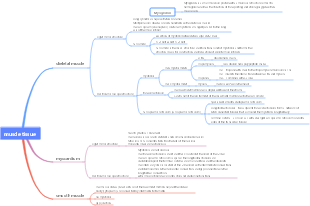
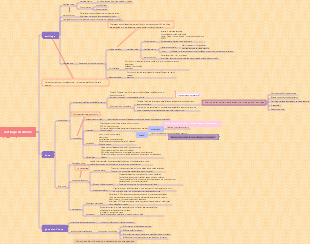
This is a mind map about neural tissue, including tissues, neurons, glial cells, nerve fibers, Nerve endings, etc.
Edited at 2024-04-08 19:00:48This infographic, created using EdrawMax, outlines the pivotal moments in African American history from 1619 to the present. It highlights significant events such as emancipation, key civil rights legislation, and notable achievements that have shaped the social and political landscape. The timeline serves as a visual representation of the struggle for equality and justice, emphasizing the resilience and contributions of African Americans throughout history.

This infographic, designed with EdrawMax, presents a detailed timeline of the evolution of voting rights and citizenship in the U.S. from 1870 to the present. It highlights key legislative milestones, court decisions, and societal changes that have expanded or challenged voting access. The timeline underscores the ongoing struggle for equality and the continuous efforts to secure voting rights for all citizens, reflecting the dynamic nature of democracy in America.
This infographic, created using EdrawMax, highlights the rich cultural heritage and outstanding contributions of African Americans. It covers key areas such as STEM innovations, literature and thought, global influence of music and arts, and historical preservation. The document showcases influential figures and institutions that have played pivotal roles in shaping science, medicine, literature, and public memory, underscoring the integral role of African American contributions to society.
This infographic, created using EdrawMax, outlines the pivotal moments in African American history from 1619 to the present. It highlights significant events such as emancipation, key civil rights legislation, and notable achievements that have shaped the social and political landscape. The timeline serves as a visual representation of the struggle for equality and justice, emphasizing the resilience and contributions of African Americans throughout history.
This infographic, designed with EdrawMax, presents a detailed timeline of the evolution of voting rights and citizenship in the U.S. from 1870 to the present. It highlights key legislative milestones, court decisions, and societal changes that have expanded or challenged voting access. The timeline underscores the ongoing struggle for equality and the continuous efforts to secure voting rights for all citizens, reflecting the dynamic nature of democracy in America.
This infographic, created using EdrawMax, highlights the rich cultural heritage and outstanding contributions of African Americans. It covers key areas such as STEM innovations, literature and thought, global influence of music and arts, and historical preservation. The document showcases influential figures and institutions that have played pivotal roles in shaping science, medicine, literature, and public memory, underscoring the integral role of African American contributions to society.
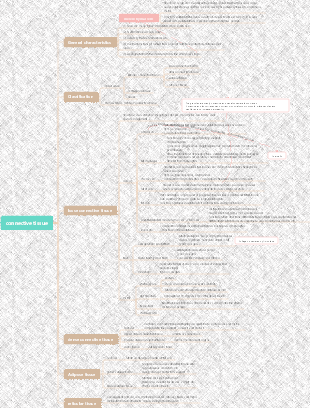
nervous tissue
Composition: Nerve cells, glial cells
Neurons
Structural and functional units of the nervous system
constitute
cell body
Distributed in the cortex of the large and small brains, the brainstem, the gray matter of the spinal cord and surrounding ganglia
Function
Has active protein synthesis function
Synthesize the cell's own structural proteins, enzymes, neurotransmitters, and peptide neuromodulators
constitute
cell membrane excitable membrane
The nucleus is centered, large and round, the nuclear membrane is obvious, and the coloring is light.
Cytoplasm contains
Nislsite
LM appears as basophilic plaques/granules distributed in cell bodies and dendrites
EM consists of a large number of parallel-arranged rough endoplasmic reticulum and free ribosomes
Lipofuscin: a lysosomal remnant that increases with age
neurofibrils
LM silver-plated dyeing shows brown and black filaments
Makes up the cytoskeleton of neurons and participates in material transport
dendrites
Multiple dendrites, thick and branched dendritic spines, containing Nissl bodies
Receive stimulation and transmit impulses to the neuron cell body
axon
An axon is long and slender and originates from the axon hillock. There is no Nisslite in any of them.
Transmits impulses from the cell body to neurons or effector cells with which it comes into contact
Classification
Quantitative categories: bipolar, pseudounipolar, multipolar neurons
Functional category: sensory motor interneurons
Axon length categories: Golgi type I and type II neurons
Release categories: cholinergic, aminergic, peptidergic, aminoacidergic, noradrenergic neurons
synapse
Definition: A structure that transmits information between neurons/neurons and effector cells
Composition formula: axis-tree axis-body...
Category: Chemical Electrical Mixed Synapse
chemical synapse
Synapses that release neurotransmitters to transmit information in a targeted manner
constitute
Preprojection components: presynaptic expansion (synaptic vesicles, mitochondria), presynaptic membrane (containing potential-gated channels)
Synaptic cleft:15-30um
Post-synaptic component: contains receptors chemically gated channels
Glial cells
Glial cells of the central nervous system
Star shape promotes wound repair
Oligodendrocytes form the myelin sheath of the central nervous system
small phagocytosis
Ependymal cells support protection
peripheral nervous system glial cells
Schwann cells form the myelin sheath of the peripheral nervous system and provide insulation and protection.
Satellite cells wrap neuron cell bodies in ganglia
nerve fibers
Composition: long axons of neurons and glial cells surrounding them
Classification
myelinated nerve fibers
peripheral nervous system myelinated nerve fibers
Myelin: The membrane of Schwann cells repeatedly wraps around the axon in concentric circles
Ingredients: Lipids and proteins
Function: insulation protection
Node of Ranvier → generates action potential → conducts in a jumping manner and at a fast speed
central nervous system myelinated nerve fibers
Myelin sheath: formed by oligodendrocyte processes that wrap around axons
Structure: central axon surrounded by myelin sheath
unmyelinated nerve fibers
Surrounding: composed of axon and Schwann cells outside it
No nodes of Ranvier → Can only conduct continuously along the axial membrane, conduction speed is slow
Center~:axonal exposure
Nerve: A collection of nerve fibers wrapped together by connective tissue in the peripheral nervous system.
Nerve fibers → nerve bundles → nerves
nerve endings
The terminal part of peripheral nerve fibers terminates in various tissues or organs throughout the body to form various peripheral devices.
Classification
sensory nerve endings
free nerve endings
dendritic terminals exposed
Distributed in epithelial cells such as epidermis, cornea, mucosa, periosteum, meninges, and dental pulp
Feel sensations such as hot and cold, light touch and pain
tactile corpuscle
Oval-shaped dermal papillae distributed in the skin, lips, fingertips
Feel the stress stimulus and participate in the production of touch
toroidal body
Distributed in subcutaneous tissue, peritoneum, mesenteric ligament, joint capsule
Involved in producing vibration and pressure sensations
muscle spindle
Sense the stretching changes of muscle fibers and regulate the activity of skeletal muscles. Proprioceptors
motor nerve endings
Effector body (causing muscle fiber contraction) viscera (causing muscle contraction or gland secretion)