Wondershare EdrawMind
MindMap Gallery Structural thinking ability
Structural thinking ability
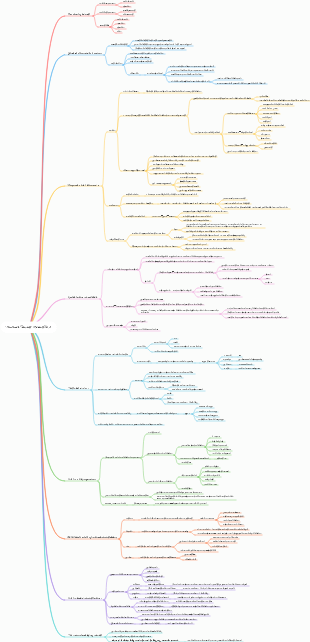
Structural thinking mind map, including clear concepts to lay the foundation, Set themes based on goals, The vertical structure is divided into layers, the horizontal structure is selected in order, etc.
Edited at 2024-04-10 15:28:20
- Cross-Department Kross-Kulturale Kollaboration – Funktionsübergreifender und kultureller Kooperationsplan
Diese Vorlage ist ein umfassendes Managementtool für die systematische Gestaltung von funktionsübergreifender und interkultureller Zusammenarbeit in Unternehmen, entwickelt für Projektmanager, Teamleiter und Transformationsberater. Sie gliedert den gesamten Kooperationsprozess in drei zentrale, aufeinander aufbauende Module, beginnend mit Kooperationsmechanismen zur Festlegung gemeinsamer OKRs/KPIs, Kommunikationskadenz und Schlüsselwörter zur Schaffung einer gemeinsamen Arbeitsgrundlage, gefolgt von Regeln zur Konfliktlösung zur Definition von Eskalationsmatrizen und Beschlussrahmen für die strukturierte Lösung abteilungs- und kulturübergreifender Konflikte, sowie abschließend kulturelle Integration & Ausbildung zur Planung von Kulturbewusstseinsworkshops und Teambindungsinitiativen für die nachhaltige Integration unterschiedlicher Kulturen und Teams. Ergänzt werden die Module durch Felder zur Festlegung von Titel Case-Eigentümer, Bewertung Cadence und nächstem Checkpoint, um die kontinuierliche Überwachung und Optimierung der Zusammenarbeit zu gewährleisten. Die Vorlage standardisiert die abteilungsübergreifende Zusammenarbeit, reduziert Konflikte, maximiert die Teamleistung und unterstützt eine nachhaltige interkulturelle Integration, wobei sie flexibel anpassbar für Unternehmen jeder Größe und Branchen ist.
- Projektstrategie für Stakeholder Management
Diese Vorlage ist ein umfassendes Managementtool für die systematische Planung und Umsetzung von Stakeholder-Management in Projekten, entwickelt für Projektmanager, PMO und Unternehmensleitungen. Sie kombiniert ein strukturiertes 4-Quadranten-Modell zur Klassifizierung von Stakeholdern nach Einfluss und Interesse mit typischen Beispielen und passenden Strategien für jede Kategorie, darunter Bleiben Sie zufrieden für Stakeholder mit hohem Einfluss und geringem Interesse, Enge Verwaltung für Schlüsselkunden und Projektsponsoren mit hohem Einfluss und hohem Interesse, Überwachung für allgemeine Öffentlichkeit mit geringem Einfluss und geringem Interesse sowie Bleiben Sie auf dem Laufenden für Endbenutzer und Interessengruppen mit geringem Einfluss und hohem Interesse, ergänzt durch Freifelder zur individuellen Anpassung. Darüber hinaus enthält die Vorlage einen detaillierten Kommunikationsplan zur systematischen Planung von Kommunikation für alle Interessengruppen, mit Feldern für Bedürfnisse, Kanäle, Frequenz, Eigentümer und Format, um eine transparente und zielgerichtete Kommunikation zu gewährleisten. Die Vorlage standardisiert das Stakeholder-Management, maximiert die Stakeholder-Unterstützung und minimiert Projekt-Risiken durch unzureichende Kommunikation, wobei sie flexibel anpassbar für Projekte jeder Größe und Branchen ist.
- Machbarkeit und Initiationsentscheidung
Diese Vorlage ist ein umfassendes Managementtool für die systematische Machbarkeitsprüfung und Initiationsentscheidung von Projekten, entwickelt für Projektmanager, Entscheidungsträger und PMO. Sie gliedert den gesamten Entscheidungsprozess in klar strukturierte Module, beginnend mit der Projektübersicht zur Festlegung von Budget Cap, Go-Live-Dauer, ROI-Ziel, Risikokonzept und Entscheidungsstatus, gefolgt von Hintergrund und Schmerzpunkten sowie messbaren Projektzielen zur Definition der Projektgrundlage. Der Kern der Vorlage bildet die Entscheidungsmatrix zur gewichteten Bewertung von Projektoptionen nach Kriterien wie Wertbeitrag, Kosten, Technische, Risikolevel und Skalierbarkeit, ergänzt durch Wahrscheinlichkeit x Auswirkungsregeln zur Analyse von Projektoptionen und Triggerbedingungen, sowie Hauptrisken und Schlüsselabhängigkeiten zur Erfassung und Minderung von Projekt-Risiken und Abhängigkeiten. Abgerundet wird die Vorlage durch eine Validierungscheckliste und Aktionsgegenstände zur Planung von Validierungsmaßnahmen und Aktionen zur Projektumsetzung, sowie Felder zur Festlegung von Beschlussstreffen, Genehmigern und Version. Die Vorlage standardisiert die Projektinitiierung, unterstützt datengetriebene Projektentscheidungen und minimiert Risiken durch unzureichende Projektprüfung, wobei sie flexibel anpassbar für Projekte jeder Größe und Branchen ist.
Structural thinking ability
- Cross-Department Kross-Kulturale Kollaboration – Funktionsübergreifender und kultureller Kooperationsplan
Diese Vorlage ist ein umfassendes Managementtool für die systematische Gestaltung von funktionsübergreifender und interkultureller Zusammenarbeit in Unternehmen, entwickelt für Projektmanager, Teamleiter und Transformationsberater. Sie gliedert den gesamten Kooperationsprozess in drei zentrale, aufeinander aufbauende Module, beginnend mit Kooperationsmechanismen zur Festlegung gemeinsamer OKRs/KPIs, Kommunikationskadenz und Schlüsselwörter zur Schaffung einer gemeinsamen Arbeitsgrundlage, gefolgt von Regeln zur Konfliktlösung zur Definition von Eskalationsmatrizen und Beschlussrahmen für die strukturierte Lösung abteilungs- und kulturübergreifender Konflikte, sowie abschließend kulturelle Integration & Ausbildung zur Planung von Kulturbewusstseinsworkshops und Teambindungsinitiativen für die nachhaltige Integration unterschiedlicher Kulturen und Teams. Ergänzt werden die Module durch Felder zur Festlegung von Titel Case-Eigentümer, Bewertung Cadence und nächstem Checkpoint, um die kontinuierliche Überwachung und Optimierung der Zusammenarbeit zu gewährleisten. Die Vorlage standardisiert die abteilungsübergreifende Zusammenarbeit, reduziert Konflikte, maximiert die Teamleistung und unterstützt eine nachhaltige interkulturelle Integration, wobei sie flexibel anpassbar für Unternehmen jeder Größe und Branchen ist.
- Projektstrategie für Stakeholder Management
Diese Vorlage ist ein umfassendes Managementtool für die systematische Planung und Umsetzung von Stakeholder-Management in Projekten, entwickelt für Projektmanager, PMO und Unternehmensleitungen. Sie kombiniert ein strukturiertes 4-Quadranten-Modell zur Klassifizierung von Stakeholdern nach Einfluss und Interesse mit typischen Beispielen und passenden Strategien für jede Kategorie, darunter Bleiben Sie zufrieden für Stakeholder mit hohem Einfluss und geringem Interesse, Enge Verwaltung für Schlüsselkunden und Projektsponsoren mit hohem Einfluss und hohem Interesse, Überwachung für allgemeine Öffentlichkeit mit geringem Einfluss und geringem Interesse sowie Bleiben Sie auf dem Laufenden für Endbenutzer und Interessengruppen mit geringem Einfluss und hohem Interesse, ergänzt durch Freifelder zur individuellen Anpassung. Darüber hinaus enthält die Vorlage einen detaillierten Kommunikationsplan zur systematischen Planung von Kommunikation für alle Interessengruppen, mit Feldern für Bedürfnisse, Kanäle, Frequenz, Eigentümer und Format, um eine transparente und zielgerichtete Kommunikation zu gewährleisten. Die Vorlage standardisiert das Stakeholder-Management, maximiert die Stakeholder-Unterstützung und minimiert Projekt-Risiken durch unzureichende Kommunikation, wobei sie flexibel anpassbar für Projekte jeder Größe und Branchen ist.
- Machbarkeit und Initiationsentscheidung
Diese Vorlage ist ein umfassendes Managementtool für die systematische Machbarkeitsprüfung und Initiationsentscheidung von Projekten, entwickelt für Projektmanager, Entscheidungsträger und PMO. Sie gliedert den gesamten Entscheidungsprozess in klar strukturierte Module, beginnend mit der Projektübersicht zur Festlegung von Budget Cap, Go-Live-Dauer, ROI-Ziel, Risikokonzept und Entscheidungsstatus, gefolgt von Hintergrund und Schmerzpunkten sowie messbaren Projektzielen zur Definition der Projektgrundlage. Der Kern der Vorlage bildet die Entscheidungsmatrix zur gewichteten Bewertung von Projektoptionen nach Kriterien wie Wertbeitrag, Kosten, Technische, Risikolevel und Skalierbarkeit, ergänzt durch Wahrscheinlichkeit x Auswirkungsregeln zur Analyse von Projektoptionen und Triggerbedingungen, sowie Hauptrisken und Schlüsselabhängigkeiten zur Erfassung und Minderung von Projekt-Risiken und Abhängigkeiten. Abgerundet wird die Vorlage durch eine Validierungscheckliste und Aktionsgegenstände zur Planung von Validierungsmaßnahmen und Aktionen zur Projektumsetzung, sowie Felder zur Festlegung von Beschlussstreffen, Genehmigern und Version. Die Vorlage standardisiert die Projektinitiierung, unterstützt datengetriebene Projektentscheidungen und minimiert Risiken durch unzureichende Projektprüfung, wobei sie flexibel anpassbar für Projekte jeder Größe und Branchen ist.
- Recommended to you
- Outline