MindMap Gallery Nine common decoration styles
There are nine common decoration styles. According to different decoration styles, reasonable budget and matching decoration can make the decoration style unified and distinctive.
Edited at 2024-04-10 18:16:34Avatar 3 centers on the Sully family, showcasing the internal rift caused by the sacrifice of their eldest son, and their alliance with other tribes on Pandora against the external conflict of the Ashbringers, who adhere to the philosophy of fire and are allied with humans. It explores the grand themes of family, faith, and survival.
This article discusses the Easter eggs and homages in Zootopia 2 that you may have discovered. The main content includes: character and archetype Easter eggs, cinematic universe crossover Easter eggs, animal ecology and behavior references, symbol and metaphor Easter eggs, social satire and brand allusions, and emotional storylines and sequel foreshadowing.
[Zootopia Character Relationship Chart] The idealistic rabbit police officer Judy and the cynical fox conman Nick form a charmingly contrasting duo, rising from street hustlers to become Zootopia police officers!
Avatar 3 centers on the Sully family, showcasing the internal rift caused by the sacrifice of their eldest son, and their alliance with other tribes on Pandora against the external conflict of the Ashbringers, who adhere to the philosophy of fire and are allied with humans. It explores the grand themes of family, faith, and survival.
This article discusses the Easter eggs and homages in Zootopia 2 that you may have discovered. The main content includes: character and archetype Easter eggs, cinematic universe crossover Easter eggs, animal ecology and behavior references, symbol and metaphor Easter eggs, social satire and brand allusions, and emotional storylines and sequel foreshadowing.
[Zootopia Character Relationship Chart] The idealistic rabbit police officer Judy and the cynical fox conman Nick form a charmingly contrasting duo, rising from street hustlers to become Zootopia police officers!
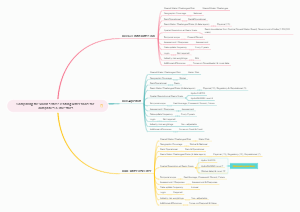
Nine common decoration styles
simple style
Features: Simplicity does not mean simplicity. Real minimalist design is not only the simplification of design elements, but also meets people’s requirements to reduce the pressure around them and advocate environmental protection. On the contrary, the designer’s design skills have higher requirements, that is, they can be used in simple decoration. Show a deeper charm, such as cultural connotation, personality characteristics, etc.
Historical development: The minimalist style was first proposed in Germany after the First World War in 1919 when resources were severely scarce. With the rise of modernist architecture and the emergence of various new materials, the minimalist style was developed in 1999 It was introduced to China in 2001 and developed rapidly.
Three elements
(1) Shape: With regular geometric shapes as elements, straight lines are mostly used to express modern functions;
(2) Color: Use black, white, gray and other intermediate colors as the base color, and use color blocks to express the connotation. For example, warm colors such as orange express the warmth of the home, and relatively bright and bright colors such as red, yellow, blue, and green enhance the color. Sensory stimulation, etc.;
(3) Material: glass, metal materials, steel structures, etc. to broaden the visual sense and express the harmony of light and shadow.
Suitable for people: People who want to be freed from busy work, do not want to put a lot of thought into taking care of the room, and enjoy a simple life, senior white-collar workers, teachers, single aristocrats who are immersed in work, etc.
modern style
Explanation of terms: The style based on practical functionalism is modern style, so it is also called functionalist style. Because it quickly became popular all over the world, it is also called international style.
Historical development: Modern architecture originated from the Bauhaus school established in 1919. It emphasizes breaking through old traditions and creating new buildings. It pays attention to the performance of functions and spatial organization, pays attention to the formal beauty of the material itself, simple modeling, opposes redundant decoration, and advocates reasonable composition. Craftsmanship, respecting the performance of materials, paying attention to the texture and color configuration of the materials themselves, and developing a non-traditional asymmetrical composition method based on functional layout. The Bauhaus school valued actual craftsmanship and emphasized the connection between design and industrial production.
Three elements
(1) Shape: composed of curves and asymmetrical lines, such as peduncles, flower buds, grapevines, insect wings, and various beautiful and wavy shapes and patterns in nature, which are reflected in decorations such as walls, railings, window lattice, and furniture;
(2) Color: Use white and gray as the base tone, and then add furniture in other colors according to different requirements of home design to express personality and tension;
(3) Material: A large number of iron components are used, and new technologies such as glass and ceramic tiles, as well as iron products, ceramic products, etc. are comprehensively used indoors. Pay attention to indoor and outdoor communication;
Suitable for the crowd: art lovers
country pastoral style
Explanation of terms: In home design, we advocate the style of returning to nature and combining nature, integrating natural and local flavors into new spatial forms, which is called "country style", "pastoral style" or "local style", also known as "gray style" ".
Historical development: In the 1970s, people began to oppose the cookie-cutter international style. Modern people’s strong awareness of returning to the natural environment such as sunlight, air and water, and their attachment to the countryside made people pour their homesickness and love for the soil into indoor environmental spaces. , interface processing, furniture furnishings and various decorative elements. In today's high-tech, high-paced social life in the 21st century, people use a large number of natural materials such as wood, stone, bamboo and natural symbols in order to seek physical and psychological balance. , natural objects, the direct cutting into the natural taste, the "originalization" of the indoor environment, and the "returning to simplicity" mentality and atmosphere reflect the natural characteristics of the local style.
Three elements
(1) Shape: Simple textures of natural wood, stone, rattan, bamboo and other materials are often used;
(2) Color: green plants, blue bricks and white tiles, natural wood, etc.
(3) Material: natural materials such as incense, fabric, and stone are often used indoors to show the texture of the material, which is fresh and elegant;
Suitable for the crowd: This style is highly praised by literati, such as professors and scholars, white-collar workers with petty bourgeoisie, etc. Especially the British pastoral style has won the favor of many women.
Chinese style
Features: The interior decoration design art style of Chinese classical architecture represented by palace architecture. It is magnificent, majestic and luxurious, has high space, large depth, carved beams and painted buildings, and is resplendent. The shape pays attention to symmetry, and the colors pay attention to contrast. The decorative materials are mainly wood, with many patterns such as dragons, phoenixes, turtles, lions, etc., which are exquisitely crafted and magnificent.
Historical development: The Chinese style developed greatly in the Ming Dynasty. When the Qing Dynasty entered its heyday, it has been discovered that until now, it has mainly retained the following two forms: First, the Ming style with a strong meaning of Chinese philosophy, with relatively simple shapes and space The contrast will not be too strong; the second is the more complicated Qing style, or the colorful Tibetan style, which achieves the most ideal space decoration effect by cleverly matching space colors, light and shadow effects and decorations. Chinese style is not a retro Ming and Qing Dynasty in the complete sense, but expresses the pursuit of an oriental spiritual realm of elegance, subtlety, dignity and luxury through the characteristics of Chinese classical interior style.
Three elements
(1) Shape: The characteristics of traditional Chinese interior decoration art are that the overall layout is symmetrical and balanced, upright and stable, elegant in style, simple and beautiful in shape. In the decorative details, natural taste is advocated, and flowers, birds, fish and insects are carefully crafted and full of changes. , fully embodying the spirit of traditional Chinese aesthetics;
(2) Color: mainly black, red, yellow, etc., with strong and mature colors
(3) Material: The composition of Chinese style is mainly reflected in traditional furniture and decorations. It should be noted that as long as the appropriateness of various building materials is used, even modern building materials such as glass and metal can still express Chinese style and Chinese tradition. Indoor furnishings include calligraphy and painting, plaques, hanging screens, bonsai, porcelain, antiques, screens, ancient shelves, etc., pursuing a state of life that cultivates one's moral integrity.
Suitable for the crowd: People with a calm personality and who like traditional Chinese culture.
European style
Features: A style centered on classical columns. European-style rooms are not only luxurious, but also comfortable and romantic. Through perfect curves and meticulous detail processing, it brings endless comfort to the family. In fact, harmony is the highest state of European style. At the same time, the European decorative style is most suitable for large-area houses. If the space is too small, it will not only fail to show its style and momentum, but will also cause a sense of oppression to the people in it.
Historical development: From the perspective of historical development, there are: ancient Greek and Roman classical styles, Gothic styles, Baroque styles, Rococo styles and later diversified development styles. Ancient Greece was the cradle of European culture, so it formed a relatively stable stone beam-and-column structure and a standardized standard format, creating the polygonal, Ionic, and Corinthian columns, which were dignified, friendly and cheerful. , pay attention to composition, precise construction, meticulous carving, and also use visual aberration correction methods to achieve high artistic effects; In the ancient Roman era, a "coupon-column" system was formed that combined masonry, natural volcanic ash concrete, and various columns and arches to provide ideal internal spaces for buildings with various complex functions; The Gothic style combines technology and art. Its pointed coupons, pointed ribbed cross arches, flying buttresses, beam columns, flowered window lattice, colored mosaic glass windows and towering spire constitute distinctive features, so it is also called "high spire". "Straight style"; later developed into the structural construction technology of arches and vaults, and made innovations that integrated the essence of Eastern and Western technology and culture. It was decorated with various marbles, glass, and colored tiles, forming a unique style of Byzantine decoration; The Baroque style became popular in Europe in the 17th century, emphasizing changes in linear flow and gorgeous colors. It is characterized by the use of flexible and exaggerated emphasis techniques such as curved surfaces, twists, flows, and intersperses to create special artistic effects to present a mysterious religious atmosphere and a floating illusion of beauty; The Rococo style pursues slenderness and complexity, favoring curved patterns similar to clam shells, vortexes, and water plants, and is painted with colors such as gold, white, pink, and pastel green. It pays attention to delicate tones and shining luster, and is also equipped with mirrors, Draperies, crystal chandeliers and luxurious furnishings. European royal palaces and nobles all preferred this style.
Three elements
(1) Main features of Baroque style Shape: emphasizes strength, change and dynamics, emphasizes the comprehensiveness of architectural painting, sculpture and indoor environment, and highlights the irrational, hallucinatory and fantasy characteristics of exaggeration, romance and passion. Break the balance, change the plane, emphasize the level and depth; Color: Gold and other warm colors; Material: Use various marbles, colorful fabrics, exquisite carpets, exquisite wall hangings, gems, bronze, gold, etc. General characteristics of Rococo style Shape: light, gorgeous, delicate and delicate. The interior decoration shape is tall, slender and asymmetrical, with frequent use of shapes and directions such as "C", "S" or scroll-shaped curves and arcs. The interior decoration shape is elegant, and the production process, structure and lines are graceful and soft. , to create a relaxed, clear and friendly space environment;
(2) Color: Make good use of gold and ivory, with bright, soft, light but luxurious colors;
(3) Material: Large mirrors are often used for decoration, and garlands, bouquets, bows and arrows, and shell patterns are widely used.
Suitable for the crowd: successful business leaders of large villa owners, returnees, etc.
neoclassical style
Explanation of terms: Neo-Classicism refers to the retro trend relative to the "classicism" before the tenth century, which is why the "new" classical style appears.
Historical development: Neoclassicism is an art style that became popular in Western Europe from the 1850s to the early 19th century. On the one hand, it opposed the extreme complexity and ostentatious luxury of the Baroque style, and re-advocated the artistic expression of the classical rational laws of the 17th century, which mainly emphasized the order and clarity of thinking, the dignity and tranquility of the spirit, the simplicity and balance of the structure, and the symmetry of proportions. Develop works from the heyday of ancient Greek and Roman civilization, which may be solemn or elegant, but do not copy classicism and distinguish themselves from the traditional classicism of the 16th and 17th centuries by abandoning abstract, absolute aesthetic concepts and poor artistic images. . Neoclassicism aims at respecting and pursuing the true revival of ancient art forms.
Three elements
(1) Shape: The linear shape of the furniture becomes straight, no longer the rounded Rococo style. It is decorated with bronze facings using fan shapes, leaves, rosettes, sphinxes, etc. Furniture and stone sculptures are also brought into the included in interior furnishings and decoration;
(2) Color: In terms of color configuration of the space, excessive color rendering is opposed. The overall color scheme is mainly composed of calm and atmospheric darker tones. In terms of wood selection, dark tones are also used. Gold and silver are the main colors used, which have a finishing touch in creating a sense of nobility in the space.
(3) Material: The use of brushed whitewash and marble makes interior decoration pay more attention to material changes and spatial integrity.
Suitable for the crowd: calm, knowledgeable people, returnees, etc.
Mediterranean style
Explanation of terms: The romantic feelings of azure, the pure beauty of nature with the same color of sea and sky, and bright sun are the Mediterranean style.
Historical development: Mediterranean civilization has always been shrouded in a mysterious veil in many hearts. It is ancient and remote, quiet and profound. The ubiquitous romanticism and eclectic cultural tastes, as well as its extremely friendly pastoral style, were quickly accepted by a large number of people outside the Mediterranean. For modern urbanites who have lived in cities for a long time and are accustomed to the hustle and bustle, Mediterranean style gives people a feeling of returning to nature, and at the same time reflects the requirements for a higher quality of life. There are many countries around the Mediterranean with different folk customs, but the unique climate characteristics still make the Mediterranean styles of each country show some consistent features: white plaster walls, continuous arcades and arches, pottery bricks, sea-blue roof tiles, doors and windows.
Three elements
(1) Shape: Arched romantic space: The architectural features of "Mediterranean style" are: arches, half-arches, and horseshoe-shaped doors and windows.
(2) Rough lines: Lines are the basis of structural form, so they are very important design elements in homes. The lines of houses or furniture along the Mediterranean coast are not straight and appear more natural. Therefore, both furniture and buildings form a unique rounded shape. The result of careless painting and trimming of white walls also creates a special irregular surface;
(3) Color: Pure and beautiful color scheme White: This is a more typical Mediterranean color combination. The coasts of Spain and Morocco extend to Greece on the east coast of the Mediterranean Sea. The white villages in Greece are connected with the beach, the blue sea and the blue sky. Even the door frames, windows and chair surfaces are all blue and white, plus the walls mixed with shells and fine sand, small pebbles, collage mosaics, gold Silver and iron metal vessels maximize the contrast and combination of blue and white. Yellow, blue, purple and green: sunflowers in southern Italy and lavender fields in southern France. The golden, blue and purple flowers and green leaves complement each other, forming a unique color combination that is very natural and beautiful.
Suitable for the crowd: white-collar petty bourgeoisie who often travel around and pursue romance.
LOFT style
Noun explanation: The definition of LOFT in the Oxford Dictionary is "an attic under the roof where things are stored." But now the so-called LOFT refers to those "high open spaces transformed from old factories or old warehouses with few interior wall partitions." This meaning was born in the SOHO district of New York.
Historical development: After the 1990s, LOFT became an art fashion that swept the world. If the birth of LOFT was due to impoverished artists turning waste into treasure, then today LOFT as a lifestyle or fashion trend has completely evolved into a kind of conspicuous consumption.
Three elements
(1) Shape: Large square geometry, red brick exterior walls, and few interior wall partitions give people the impression of being tall, spacious, and solid. Design the large opening or hollow part of the building as a work area, and then build a loft in a certain part of the space for living;
(2) Color: The walls are painted with bright colors and huge, exaggerated and bright industrial lighting equipment is used;
(3) Material: Steel structure, simple painted original red brick walls, the characteristics of the industrial building itself are fully exposed.
Suitable for the crowd: single upstarts, young people with alternative personalities.
Diversified styles (mix and match)
Explanation of terms: The interior layout also has the characteristics of being both modern and practical, and absorbing tradition, integrating ancient and modern Chinese and Western styles into the decoration and furnishings.
Historical development: In recent years, architectural design and interior design have generally shown a diversified and inclusive situation. For example, traditional screens, furnishings and coffee tables are paired with modern-style wall, door and window decoration, and new sofas; European classical glazed lamps and wall decorations are paired with traditional Oriental furniture and Egyptian furnishings, crystals, etc.
Three elements
Although the diversified style is eclectic in design and uses a variety of styles, the design is still unique and in-depth considers the overall composition and visual effects in terms of shape, color, material, etc.
(1) Shape: Use simple, tough straight lines, and some will also use panel furniture with Western industrial design colors
(2) Color: mainly imitation rosewood and rosewood
(3) Material: mostly wood, with modern materials
Suitable for the crowd: young and middle-aged people who like classical accessories but are open-minded and progressive