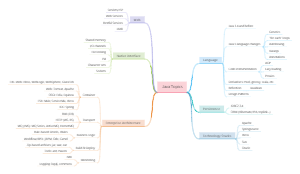
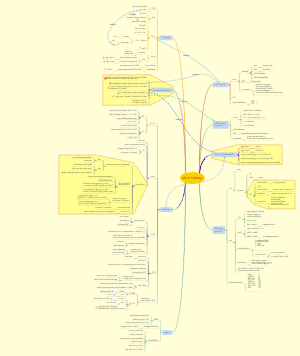
MindMap Gallery Summary of test points for the famous book Twenty Thousand Leagues Under the Sea 1
"Twenty Thousand Leagues Under the Sea" is a novel written by the French writer Jules Verne. It is the second part of the "Verne Trilogy". Friends in need hurry up and collect it!
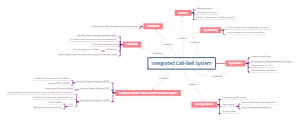
Edited at 2024-02-15 10:30:29This strategic SWOT analysis explores how Aeon can navigate the competitive online landscape, highlighting strengths, weaknesses, opportunities, and threats. Strengths include strong brand recognition (trusted Japanese heritage, quality), omnichannel capabilities (stores + online + mall integration), customer loyalty programs (Aeon Card, points, member pricing), and physical footprint (extensive store network for pickup/returns). Weaknesses encompass digital maturity gaps (e-commerce penetration, app functionality, personalization vs. Amazon, Alibaba), cost structure challenges (store-heavy, real estate, labor), and supply chain complexity (fresh food, frozen logistics for online). Opportunities include enhancing e-commerce competitiveness (faster delivery, wider assortment, lower minimum order), leveraging data-driven strategies (purchase history, personalized offers, inventory optimization), expanding omnichannel integration (buy online pick up in store, ship from store), and private label growth (Topvalu, localized brands). Threats involve online-first players (Amazon, Alibaba, Sea Limited) with lower costs, wider selection, faster delivery, market dynamics (changing consumer behavior post-COVID, discount competitors), and regulatory risks (data privacy, cross-border e-commerce rules). Aeon can strengthen market position by investing in digital capabilities, leveraging store assets for omnichannel, and using customer data for personalization, while addressing cost structure and online competition.
This analysis explores how Aeon effectively tailors offerings to meet the diverse needs of family-oriented consumers through a comprehensive Segmentation, Targeting, and Positioning (STP) framework. Demographic segmentation examines family life stages (young families with babies, school-aged children, teenagers, empty nesters), household sizes (small vs. large), income levels (mass, premium), and parent age bands (millennials, Gen X). This identifies distinct consumer groups with different spending patterns. Geographic segmentation highlights store catchment types (urban, suburban, rural), community characteristics (density, income, competition), and local preferences (fresh food, halal, Japanese products). Psychographic segmentation delves into family values (health, safety, education, convenience), lifestyle orientations (busy professionals, home-centered, eco-conscious). Behavioral segmentation focuses on shopping missions (daily grocery, weekly stock-up, seasonal shopping), price sensitivity (value seekers, premium), channel preferences (in-store, online, pickup). Needs-based segmentation reveals core family needs related to value (good-better-best pricing), budget considerations (affordability, promotions, member pricing), safety (food quality, product recall), convenience (one-stop shopping, parking, store hours). Targeting prioritizes young families with school-aged children, budget-conscious households, and convenience-seeking shoppers. Positioning emphasizes Aeon as a family-friendly, value-for-money, one-stop destination with Japanese quality and local relevance. These insights enhance family shopping experiences through tailored assortments (kids’ products, school supplies), promotions (family bundles, weekend events), and services (nursing rooms, kids’ play areas).
This Kream Sneaker Consumption Scene Analysis Template aims to visualize purchasing and consumption journeys of sneakers, identifying key demand drivers and obstacles. User behavior within Kream includes searching, bidding, buying, selling, authentication, and community engagement. External influences include brand drops (Nike, Adidas), social media (Instagram, TikTok), influencer hype, and cultural trends. Target categories: limited editions, collaborations, retro releases, performance sneakers, and general releases. Timeframes: launch day, first week, first month, long-term (seasonal, yearly). Regions: North America, Europe, Asia (Korea, China, Japan). User segments: Collectors: value rarity, condition, completeness (box, accessories). KPIs: collection size, spend, authentication rate. Resellers: value profit margin, volume, turnover. KPIs: sell-through rate, average profit, listing frequency. Sneakerheads: value hype, trends, community validation. KPIs: purchase frequency, social engagement, wishlist adds. Casual trend followers: value style, convenience, price. KPIs: conversion rate, average order value, repeat purchases. Gift purchasers: value ease, presentation, brand trust. KPIs: gift message usage, return rate. Consumption journey: Awareness: social media, email, push notifications. Search: browse, filter, search by brand, model, size. Purchase: bid, buy now, payment, shipping. Authentication: inspection, verification, certification. Resale: list, price, sell, transfer. Sharing: review, unboxing, social post, community discussion. Key performance indicators: conversion rate, sell-through rate, average order value, customer lifetime value, authentication pass rate, return rate, Net Promoter Score. This framework helps understand sneaker trading dynamics, user motivations, and touchpoints for engagement and satisfaction.
This strategic SWOT analysis explores how Aeon can navigate the competitive online landscape, highlighting strengths, weaknesses, opportunities, and threats. Strengths include strong brand recognition (trusted Japanese heritage, quality), omnichannel capabilities (stores + online + mall integration), customer loyalty programs (Aeon Card, points, member pricing), and physical footprint (extensive store network for pickup/returns). Weaknesses encompass digital maturity gaps (e-commerce penetration, app functionality, personalization vs. Amazon, Alibaba), cost structure challenges (store-heavy, real estate, labor), and supply chain complexity (fresh food, frozen logistics for online). Opportunities include enhancing e-commerce competitiveness (faster delivery, wider assortment, lower minimum order), leveraging data-driven strategies (purchase history, personalized offers, inventory optimization), expanding omnichannel integration (buy online pick up in store, ship from store), and private label growth (Topvalu, localized brands). Threats involve online-first players (Amazon, Alibaba, Sea Limited) with lower costs, wider selection, faster delivery, market dynamics (changing consumer behavior post-COVID, discount competitors), and regulatory risks (data privacy, cross-border e-commerce rules). Aeon can strengthen market position by investing in digital capabilities, leveraging store assets for omnichannel, and using customer data for personalization, while addressing cost structure and online competition.
This analysis explores how Aeon effectively tailors offerings to meet the diverse needs of family-oriented consumers through a comprehensive Segmentation, Targeting, and Positioning (STP) framework. Demographic segmentation examines family life stages (young families with babies, school-aged children, teenagers, empty nesters), household sizes (small vs. large), income levels (mass, premium), and parent age bands (millennials, Gen X). This identifies distinct consumer groups with different spending patterns. Geographic segmentation highlights store catchment types (urban, suburban, rural), community characteristics (density, income, competition), and local preferences (fresh food, halal, Japanese products). Psychographic segmentation delves into family values (health, safety, education, convenience), lifestyle orientations (busy professionals, home-centered, eco-conscious). Behavioral segmentation focuses on shopping missions (daily grocery, weekly stock-up, seasonal shopping), price sensitivity (value seekers, premium), channel preferences (in-store, online, pickup). Needs-based segmentation reveals core family needs related to value (good-better-best pricing), budget considerations (affordability, promotions, member pricing), safety (food quality, product recall), convenience (one-stop shopping, parking, store hours). Targeting prioritizes young families with school-aged children, budget-conscious households, and convenience-seeking shoppers. Positioning emphasizes Aeon as a family-friendly, value-for-money, one-stop destination with Japanese quality and local relevance. These insights enhance family shopping experiences through tailored assortments (kids’ products, school supplies), promotions (family bundles, weekend events), and services (nursing rooms, kids’ play areas).
This Kream Sneaker Consumption Scene Analysis Template aims to visualize purchasing and consumption journeys of sneakers, identifying key demand drivers and obstacles. User behavior within Kream includes searching, bidding, buying, selling, authentication, and community engagement. External influences include brand drops (Nike, Adidas), social media (Instagram, TikTok), influencer hype, and cultural trends. Target categories: limited editions, collaborations, retro releases, performance sneakers, and general releases. Timeframes: launch day, first week, first month, long-term (seasonal, yearly). Regions: North America, Europe, Asia (Korea, China, Japan). User segments: Collectors: value rarity, condition, completeness (box, accessories). KPIs: collection size, spend, authentication rate. Resellers: value profit margin, volume, turnover. KPIs: sell-through rate, average profit, listing frequency. Sneakerheads: value hype, trends, community validation. KPIs: purchase frequency, social engagement, wishlist adds. Casual trend followers: value style, convenience, price. KPIs: conversion rate, average order value, repeat purchases. Gift purchasers: value ease, presentation, brand trust. KPIs: gift message usage, return rate. Consumption journey: Awareness: social media, email, push notifications. Search: browse, filter, search by brand, model, size. Purchase: bid, buy now, payment, shipping. Authentication: inspection, verification, certification. Resale: list, price, sell, transfer. Sharing: review, unboxing, social post, community discussion. Key performance indicators: conversion rate, sell-through rate, average order value, customer lifetime value, authentication pass rate, return rate, Net Promoter Score. This framework helps understand sneaker trading dynamics, user motivations, and touchpoints for engagement and satisfaction.
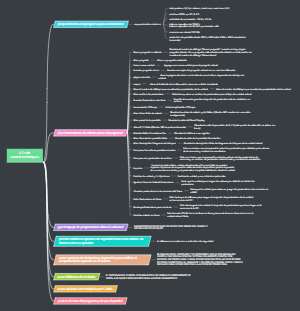
Summary of test points for the famous book "Twenty Thousand Leagues Under the Sea"
author information
Jules Verne, a famous French science fiction and adventure novelist.
"Prophet of the Scientific Age" and "Father of Modern Science Fiction"
Representative works: Ocean Trilogy "Captain Grant's Sons and Daughters", "Twenty Thousand Leagues Under the Sea" and "The Mysterious Island"
Theme of the work
Resist colonial oppression
Important test points
"Ten Distresses" in chronological order
The first time: Encountering dogfish: When the submarine sailed to the Pacific Ocean, it encountered a pair of dogfish in the underwater forest. They immediately lay on the ground. The dogfish had poor eyesight and did not see them, so they escaped.
The second time: Stranding on a rock: The submarine accidentally ran aground on a rock while operating. Five days later, the tide in the Pacific Ocean rose, and the impact of sea water caused the submarine to return to the ocean.
The third time: Aboriginal siege: When "I", Ned Land and Conseil went to rest on land, they were besieged by the Aboriginals. The captain energized the armrests of the submarine, so the Aboriginals could not board the submarine. They were shocked and fled.
The fourth time: Fighting with sharks: When the submarine sailed to the Indian Ocean, it visited the Ceylon pearl divers. Captain Nemo rescued the pearl divers from the shark's mouth. When the shark approached Captain Nemo, Ned Land stabbed him with a harpoon. Hit the shark and save the captain.
The fifth time: Killing a dugong: When the submarine sailed to the Red Sea, it was retaliated while catching a dugong. The boat was almost overturned by the dugong. Ned Land stabbed the dugong in the heart with a harpoon.
The sixth time: Iceberg blocked the road: When the submarine was sailing to the Antarctic waters, it was blocked by an iceberg in the Antarctic waters. The submarine dived into deeper water and passed under the iceberg.
The seventh time: Facing hypoxia: When we were at the South Pole, we were surrounded by sea water. The submarine ran aground again. Everyone was in danger of hypoxia. Ned Land and Conseil left oxygen to me. Everyone worked together to spray hot water. Ice, break the ice.
The eighth time: Octopus attack: In the Atlantic Ocean, he was attacked by an octopus. The crew of the boat fought with the octopus with an ax and sacrificed one of the crew members.
Ninth time: Battleship attack: Visiting the grave of the "Avenger" and encountering a battleship attack, Captain Nemo ordered the Nautilus to attack the bottom of the battleship and defeated the battleship.
The tenth time: Getting involved in the maelstrom: "I" witnessed the incident of Captain Nemo's Revenge and the sinking of the battleship, which made "I" firm up in my determination to escape, but I was still reluctant to let go. I was involved in a big storm in the Arctic Ocean. Maelstrom.
Navigation route: Pacific Ocean → Indian Ocean Red Sea → Mediterranean Sea → Atlantic Ocean → Antarctic Sea → Atlantic Ocean → Arctic Ocean
Main characters and character traits: Captain Nemo, Aronas, Ned Land, Conseil
Ned Land: Canadian, whaler. With extraordinary skills, he went to sea with the "Abraham Lincoln" to find monsters. He saved the master and servant of the professor who was almost drowning, and went on an undersea exploration with the submarine "Nautilus". He has a bad temper, longs for freedom, and always wants to escape from the "Nautilus". Finally, he successfully escapes with the professor and Conseil.
Character traits: bold and cunning, bad-tempered, freedom-loving, serious and difficult to deal with.
Captain Nemo: unknown nationality, tall, confident and resolute, drifting on the bottom of the sea for the hatred of the nation. He pursues freedom and justice, resists oppression, and has a sense of social justice and a noble humanitarian spirit.
Character traits: Confidence, calmness, perseverance, courage, arrogance, and opposition to oppression.
Professor Aaron Nass: a physicist, knowledgeable about all kinds of animals and plants in the ocean, he is a scientist who is obsessed with scientific investigation and full of adventurous spirit. After being rescued by Captain Nemo, he began to explore the depths of the sea and made many scientific records.
Character traits: Gentle and elegant, calm and wise, courageous to explore, and loves science.
Conseil: The servant of Professor Aronnax. He is calm by nature, steady and disciplined, and has a clever mind. He is very good at classifying natural history. He went on an undersea exploration with Professor Aronnax, and finally escaped with the professor.
Character traits: Upright, calm, loyal, easy-going, always calm and relaxed.
main plot
① When encountering siege by indigenous people, repelled the indigenous attack.
②Captain Nemo outsmarts the shark to save the Pearl Man.
③Ned Land killed a huge dugong in the Red Sea.
④ Encountered an octopus attack, Captain Nemo led the crew to fight to the death with the octopus, and finally defeated the octopus.
⑤The "Lincoln" encountered a violent collision. Conseil rescued Aronnax and left the saved oxygen to Aronnax.
Frequently asked questions
Captain Nemo is a controversial character. Some people think he is kind and compassionate, while others think he is lonely and cold. What do you think?
Example 1: I think Captain Nemo is not lonely, and he and his crew are like brothers. After the crew died, Captain Nemo held a grand funeral for him in the Coral Kingdom. He also had friends on land who supported them in the Mediterranean; under his cold appearance , he has a kind heart, and only electrifies the attacks of the indigenous people to scare them away instead of killing them. When the pearl divers in the Ceylon pearl divers were attacked by sharks, they immediately fought with the sharks to rescue the pearl divers; in the Antarctic waters, they helped fin whales defend themselves against sperm whales; Encountering a giant octopus in the Atlantic Ocean, he saved Ned Land regardless of danger, so Captain Nemo was not a lonely and cold-hearted person.
Example 2: I think Captain Nemo is a lonely and cold man. He built a submarine according to his own design and sailed on the seabed to conduct large-scale scientific research. He became the only purpose of its lonely life. He hides from his enemies and persecution, seeks freedom at the bottom of the sea, escapes from this land life, and breaks away from human society. When the Nautilus faced enemies at sea, Captain Nemo transformed into a ruthless killer, destroying ships one after another, cruelly taking lives one by one. Long-term training made Captain Nemo calmer and at the same time Becoming cold or even heartless.
Looking for my pinyin name is Twenty Thousand Leagues Under the Sea