MindMap Gallery GSP_Chapter 2 Drug Wholesale--Mind Map
The number of words in the regulations is difficult to understand. I have compiled a mind map to facilitate everyone to quickly learn and master the regulations. If you want to engage in drug operation quality management, you need to understand this regulation. I hope it can help you. Thank you for your support!
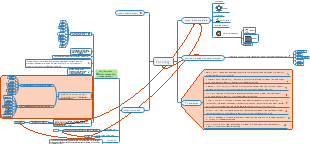
Edited at 2024-01-31 13:43:17This is a flowchart illustrating the process of archiving monthly failure analysis reports and tracking the implementation of improvement measures. The diagram is structured into five main steps, each with specific tasks and sub-tasks.Monthly Report Collection & Organization: This step involves collecting failure analysis reports from various departments, reviewing them for completeness, and categorizing them by product, failure mode, and severity. Root Cause Analysis & Statistics: Here, the focus is on categorizing causes, analyzing trends, identifying root causes, and compiling statistics on high-frequency failure modes and key components. Improvement Measure Formulation & Assignment: This step includes formulating improvement measures, assigning responsibilities, and setting timelines for implementation.Measure Implementation Tracking & Verification: It involves tracking the progress of implementation, verifying effectiveness, and confirming issue closure.Knowledge Base Update & Monthly Report Output: The final step covers archiving reports, updating the knowledge base, and compiling monthly summaries.This template can be easily reused and adapted using tools like EdrawMind to suit different organizational needs.
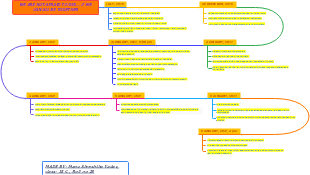
This is a timeline infographic detailing the annual product certification acquisition countdown process, structured into four sequential phases. The first phase, Certification Planning & Initiation, encompasses goal setting, timeline planning, resource preparation, defining specific certification objectives such as CCC/CE/FCC, formulating an annual plan with key milestones, and allocating necessary budget, personnel, and sample resources. Following this, the Application & Testing Phase involves material submission, coordination with certification agencies, core testing procedures, preparation of technical documents, application forms, and samples, selection of the appropriate certification agency, and execution of critical safety, EMC, and RF tests. The subsequent Rectification & Acquisition Phase focuses on addressing and rectifying any identified issues, re-verification processes, acquisition of the certificate, analysis of test issues, implementation of necessary fixes, and modification of samples for supplemental testing. Finally, the Countdown Monitoring phase emphasizes tracking progress, managing risks, monitoring remaining days and key milestones, managing time, technical, and cost risks, and maintaining effective internal and external communication throughout the process. This comprehensive template can be readily reused and adapted using tools like EdrawMind to meet diverse organizational requirements.
This is a flowchart detailing the weekly update and review plan for technical documents. The process is divided into six main stages, each with specific tasks and responsibilities. It begins with Weekly Planning, where the document scope is defined, update objectives are set, and schedules are arranged. Next, Document Updates involve maintaining various documents such as hardware design documents, test specifications, and BOM tables, alongside version control and archiving. Internal Review Preparation follows, focusing on compiling review materials, identifying participants, and setting agendas. The Review Meeting stage includes document examination, problem discussion, decision recording, and responsibility allocation. After the meeting, Review Feedback Processing takes place, involving issue tracking, document modification, quality checks, and closure verification. Finally, Output Deliverables are prepared, including official release versions, release notifications, review reports, and plans for the next week. This structured approach ensures systematic and efficient management of technical documents, and the template can be easily adapted using tools like EdrawMind.
This is a flowchart illustrating the process of archiving monthly failure analysis reports and tracking the implementation of improvement measures. The diagram is structured into five main steps, each with specific tasks and sub-tasks.Monthly Report Collection & Organization: This step involves collecting failure analysis reports from various departments, reviewing them for completeness, and categorizing them by product, failure mode, and severity. Root Cause Analysis & Statistics: Here, the focus is on categorizing causes, analyzing trends, identifying root causes, and compiling statistics on high-frequency failure modes and key components. Improvement Measure Formulation & Assignment: This step includes formulating improvement measures, assigning responsibilities, and setting timelines for implementation.Measure Implementation Tracking & Verification: It involves tracking the progress of implementation, verifying effectiveness, and confirming issue closure.Knowledge Base Update & Monthly Report Output: The final step covers archiving reports, updating the knowledge base, and compiling monthly summaries.This template can be easily reused and adapted using tools like EdrawMind to suit different organizational needs.
This is a timeline infographic detailing the annual product certification acquisition countdown process, structured into four sequential phases. The first phase, Certification Planning & Initiation, encompasses goal setting, timeline planning, resource preparation, defining specific certification objectives such as CCC/CE/FCC, formulating an annual plan with key milestones, and allocating necessary budget, personnel, and sample resources. Following this, the Application & Testing Phase involves material submission, coordination with certification agencies, core testing procedures, preparation of technical documents, application forms, and samples, selection of the appropriate certification agency, and execution of critical safety, EMC, and RF tests. The subsequent Rectification & Acquisition Phase focuses on addressing and rectifying any identified issues, re-verification processes, acquisition of the certificate, analysis of test issues, implementation of necessary fixes, and modification of samples for supplemental testing. Finally, the Countdown Monitoring phase emphasizes tracking progress, managing risks, monitoring remaining days and key milestones, managing time, technical, and cost risks, and maintaining effective internal and external communication throughout the process. This comprehensive template can be readily reused and adapted using tools like EdrawMind to meet diverse organizational requirements.
This is a flowchart detailing the weekly update and review plan for technical documents. The process is divided into six main stages, each with specific tasks and responsibilities. It begins with Weekly Planning, where the document scope is defined, update objectives are set, and schedules are arranged. Next, Document Updates involve maintaining various documents such as hardware design documents, test specifications, and BOM tables, alongside version control and archiving. Internal Review Preparation follows, focusing on compiling review materials, identifying participants, and setting agendas. The Review Meeting stage includes document examination, problem discussion, decision recording, and responsibility allocation. After the meeting, Review Feedback Processing takes place, involving issue tracking, document modification, quality checks, and closure verification. Finally, Output Deliverables are prepared, including official release versions, release notifications, review reports, and plans for the next week. This structured approach ensures systematic and efficient management of technical documents, and the template can be easily adapted using tools like EdrawMind.
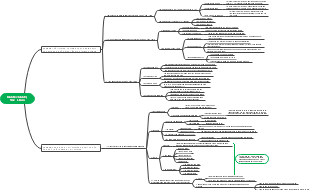
GSP
What GSP
definition
Good Manufacturing Practices for Pharmaceutical Products
main content
General principles
1 section, 4 pieces
wholesale
Section 14, Article 115
retail
8 sections, 58 articles
Supplementary Provisions
7 items
appendix
Storage and transportation management of refrigerated and frozen medicines
Pharmaceutical business enterprise computer system
Automatic monitoring of temperature and humidity
Drug receipt and acceptance
Verification management
Pharmaceutical retail distribution quality management
Scope of application
business unit
production unit
unit of use
All sales, storage and transportation of circulating drugs must comply with GSP
Why GSP
Achieve quality control throughout the entire business process
Achieve drug quality traceability
Ensure drug quality
How GSP--Pharmaceutical Wholesale
Section 2. Organizational Structure and Quality Management Responsibilities
Quality management responsibilities
Responsibilities of business leaders
The main person responsible for drug quality and fully responsible for the daily management of the enterprise
Quality Manager Responsibilities
The enterprise has the power to adjudicate on drug quality management within the enterprise and is fully responsible for drug quality management.
Quality management department responsibilities
Supervise department personnel to implement drug management regulations
Carry out quality management and training
staff training
Develop documents and guide and supervise implementation
Quality management system documents
Guidance in setting up computer system quality control functions
Computer system operation authority review and basic data construction and update
computer system
Organize verification and calibration of related facilities and equipment
Organize internal audits, supply and purchase quality reviews
Quality management system
Responsible for acceptance guidance and supervision of quality management work in the business process
Unqualified, counterfeit and substandard drugs, quality inquiries, quality complaints and accident investigations,
Business process quality supervision and guidance
Organization positions and responsibilities
Section 8, Procurement
Purchase invoice
Purchase records
Procurement quality review
Review purchasing qualifications
Legality of first-run enterprises
Legality of first-run varieties
sales power of attorney
Warranty Agreement
Section 9, Receipt and Acceptance
Receipt of goods
Check medicines
Accompanying order
Purchase records
Check shipping method
General pharmaceutical enclosed van
Refrigerated medicine refrigerated trucks verify temperature records, transportation time, etc. during transportation
acceptance
Inspection report form with same batch number
Check drug appearance, packaging, labels, instructions and other documents
Sampling acceptance
Acceptance record
Section 10, Storage and Maintenance
store
Store according to temperature and humidity, avoid light, ventilate, moisture-proof, and keep clean
Handling and stacking according to batch number
Quality status color mark management
Store medicines separately according to their characteristics
Separate drugs from non-drugs
Separate external medicines from other medicines
Storage of Chinese herbal medicines and herbal pieces in separate warehouses
Dismantled and centralized storage
maintenance
Inspect the quality of drug appearance packaging according to the maintenance plan
Maintenance records
Guide and urge custodians to handle drugs properly
Report and urge for sales of products with near-expiration date or unsaleable products
Dealing with suspicious species
Section 11, sales
Purchase unit qualification review
Sales Invoice
sales records
Section 12, Departure
Warehouse review
Is the packaging damaged?
Is there any abnormal noise or liquid leakage in the package?
Is the label peeling off or blurry?
Has the medicine expired?
Are there eye-catching signs for LCL shipments?
Warehouse review record
Accompanying list with delivery stamp
Section 13, Transportation and Distribution
transport yourself
Choose the appropriate means of transportation
Handle and unload medicines according to outer packaging labels
According to the temperature control requirements of drugs, necessary insulation and refrigeration measures should be taken during transportation
Develop emergency plans for refrigerated and frozen pharmaceutical transportation
Entrusted transportation
Audit the carrier’s quality assurance capabilities
Request transport vehicle information
Driver related information
Transportation unit business qualifications
Sign a transportation agreement with the carrier
Clarify drug quality responsibilities
Comply with transportation operating procedures
Agreed time limit on the way
Keep entrusted transportation records
Section 14, after-sales management
return the goods
Strict sales and return acceptance to ensure the quality of returned drugs
complaint
Establish complaint management operating procedures
Equipped with full-time and part-time personnel responsible for after-sales complaint management
Communicate to identify quality issues and form records for retention.
Drug recalls
Assist production companies to fulfill recall obligations
Create drug recall records
adverse drug reactions
Full-time and part-time personnel are responsible for monitoring and reporting adverse drug reactions
Section 3, Personnel and Training
Qualifications
CEO
College degree or above, or intermediate technical title or above
Quality manager
Bachelor degree or above, licensed pharmacist qualification and more than 3 years of working experience in pharmaceutical business quality management
Head of quality management department
Licensed pharmacist qualification and more than 3 years of working experience in pharmaceutical business quality management
quality manager
Technical secondary school in pharmacy, or junior college or above in pharmacy-related majors, or junior or above professional title in pharmacy
Acceptance and maintenance
Technical secondary school or above in pharmacy or pharmacy-related majors, or junior or above professional title in pharmacy
purchase
Technical secondary school or above in pharmacy or pharmacy-related majors
Storage, transportation and sales
High school or above
training
Pre-job training
Continue training
Annual Training Program
training content:
1. Laws and regulations, 2. Pharmaceutical professional knowledge and skills, 3. Quality management system, responsibilities and job operating procedures
Health check-up
Pre-employment physical examination
Annual physical examination
Positions in direct contact with drugs must not have infectious diseases and meet the job requirements.
Section 4. Quality management system documents
Quality Management SystemQM
Operating procedures QP
Department job responsibilities QD
File reports, records, vouchers QR
Section 5, facilities and equipment
Facilities and equipment
Business premises
independent departments
warehouse
Separate storage area, auxiliary work area and office area
Storage, maintenance and transportation facilities and equipment
shelf pallet
Anti-rodent, ventilation, shading and other equipment
Temperature and humidity control equipment
Automatic monitoring and recording of temperature and humidity equipment
Loading and unloading forklift
Section 6, Calibration and Verification
Regular calibration and verification of measuring instruments and temperature and humidity monitoring equipment
General reservoir area temperature and humidity monitoring system
Regular verification
Cold storage storage and transportation temperature and humidity monitoring system, refrigeration facilities and equipment
Verification before use, periodic verification, disabling timeout verification
Verification report
Section 7, Computer System
hardware
Server, terminal
software
Ticket generation, download and print management functions
Install software to connect to the traceability platform and the Food and Drug Administration supervision platform
network
A secure information platform with fixed access to the Internet
Information transmission and sharing LAN between departments and between positions
Data entry requirements
Input and save according to the scope of authorization, true and traceable
Back up data on a daily basis
"GSP Mind Map" Drug wholesale
Section 1, Quality Management System