MindMap Gallery accounting basis
Chapter 2 of Elementary Accounting Practice summarizes accounting elements and their recognition and measurement, Accounting items and debit and credit accounting methods, etc. Hope it helps everyone.
Edited at 2024-01-29 18:25:20Avatar 3 centers on the Sully family, showcasing the internal rift caused by the sacrifice of their eldest son, and their alliance with other tribes on Pandora against the external conflict of the Ashbringers, who adhere to the philosophy of fire and are allied with humans. It explores the grand themes of family, faith, and survival.

This article discusses the Easter eggs and homages in Zootopia 2 that you may have discovered. The main content includes: character and archetype Easter eggs, cinematic universe crossover Easter eggs, animal ecology and behavior references, symbol and metaphor Easter eggs, social satire and brand allusions, and emotional storylines and sequel foreshadowing.
[Zootopia Character Relationship Chart] The idealistic rabbit police officer Judy and the cynical fox conman Nick form a charmingly contrasting duo, rising from street hustlers to become Zootopia police officers!
Avatar 3 centers on the Sully family, showcasing the internal rift caused by the sacrifice of their eldest son, and their alliance with other tribes on Pandora against the external conflict of the Ashbringers, who adhere to the philosophy of fire and are allied with humans. It explores the grand themes of family, faith, and survival.
This article discusses the Easter eggs and homages in Zootopia 2 that you may have discovered. The main content includes: character and archetype Easter eggs, cinematic universe crossover Easter eggs, animal ecology and behavior references, symbol and metaphor Easter eggs, social satire and brand allusions, and emotional storylines and sequel foreshadowing.
[Zootopia Character Relationship Chart] The idealistic rabbit police officer Judy and the cynical fox conman Nick form a charmingly contrasting duo, rising from street hustlers to become Zootopia police officers!
accounting basis
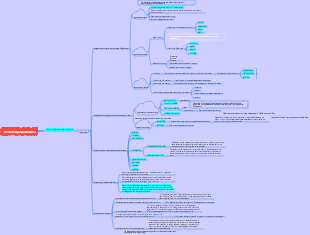
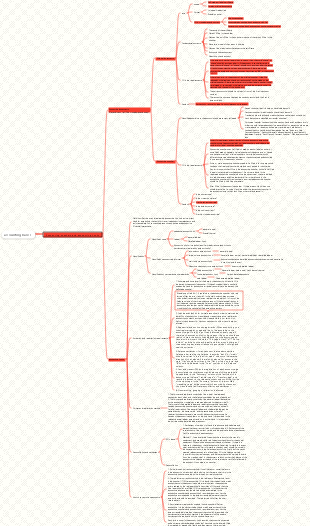
Accounting elements and their recognition and measurement
assets
past transactions or events
are resources owned or controlled by the enterprise
It is expected to bring economic benefits to the enterprise
Liabilities
is formed by past transactions or events
It is the current business undertaken by the enterprise (not potential business)
It is expected that economic benefits will flow out of the enterprise
Owners' equity
Definition: It refers to the residual interest enjoyed by the owner after deducting liabilities from the assets of the enterprise.
The recognition and measurement of owners' equity mainly relies on the recognition and measurement of assets and liabilities. The amount of owners' equity is equal to the net amount of the company's total assets minus creditors' equity, which is the net assets of the company, reflecting the owner's (shareholder's) interest in the company. economic interest in assets
Classification of owners’ equity
capital invested by owners
Subjects: paid-in capital (equity), other equity instruments, capital reserve - capital (equity) premium
special transactions or events
Subject: Capital Reserve - Other Capital Reserve
Gains or losses recognized directly in owner's equity
Subject: other comprehensive income
retained earnings
Subjects: Surplus reserves, profit distribution - undistributed profits
income
formed in daily activities
Will result in an increase in owner's equity
It is the total inflow of economic benefits independent of the capital invested by the owner.
cost
occur in daily activities
resulting in a reduction in owner's equity
Is the total outflow of economic benefits that is not related to the distribution of profits to owners
profit
Definition: refers to the operating results of an enterprise during a certain accounting period
Profit reflects revenue minus expenses, and the net amount of gains directly included in the current period's profits minus losses directly included in the current profits and losses.
Profit = (Income - Expenses) (Profit directly included in the profit of the current period - Loss directly included in the profit and loss of the current period)
Accounting accounts and debit and credit accounting methods
Accounts and Accounts
Accounting subjects are items that classify and account for the specific contents of accounting elements. They are the basic unit for accounting and providing accounting information.
Accounting accounts are set up according to accounting subjects, have a certain format and structure, and are used to classify and account for the increase, decrease, and changes in accounting elements and their results.
Debit and credit accounting method
The account structure of the debit and credit accounting method: the left side of the account is called the debit side and the right side is called the credit side.
Expenses and assets increase on the debit side and decrease on the credit side; liabilities, owners' equity, and income increase on the credit side and decrease on the debit side.
The debit balance at the end of the period for assets and costs = the debit balance at the beginning of the period, the amount of debits for this period - the amount of credits for this period
Liabilities and owners' equity Ending credit balance = Beginning credit balance Current period credit amount - Current period debit amount
The net income of the current period in the income category of profit and loss is transferred to the current year's profit account at the end of the period to calculate the current profit and loss. There is no balance after the transfer.
The net amount of expenses in the profit and loss category for the current period will be transferred to the current year's profit account at the end of the period to calculate the current profit and loss. There will be no balance after the transfer.
How to calculate the ending balance: Starting from the opening balance, add in the same direction and subtract in the opposite direction.
The accounting rules of the debit and credit accounting method: if there is a debit, there must be a credit, and the debit and credit must be equal.
Accounting entries: A record that lists the names of accounts that should be debited and credited and their amounts for each brokerage business. Accounting entries are recorded in accounting vouchers
Elements: direction of borrowing and crediting, corresponding accounts and their amounts
Classification
According to the number of accounts involved, accounting entries are divided into simple accounting entries and compound accounting entries.
Simple accounting entries: accounting entries that only involve the debit of one account and the credit of another account, that is, an accounting entry of one debit and one credit
Compound accounting entries: refer to accounting entries composed of two or more (excluding two) corresponding accounts, that is, one debit and multiple loans, multiple borrows and one loan, or multiple borrows and multiple credits.
Simple entries that are not related to each other cannot be combined and added up to account for multiple borrowings and multiple credits.
The 3 3 1 rule for writing accounting entries
Three basics
accrual basis
chart of accounts
Account structure under the debit and credit accounting method
three steps
Look at increases and decreases (the occurrence of brokerage business or events causes corresponding increases and decreases in accounting factors)
Find accounts (accounting accounts corresponding to accounting elements)
Fixed direction (the direction of borrowing and lending corresponding to changes in increases and decreases)
a metaphor
"Carry over" means "move in"
Trial balance under debit and credit accounting method
trial balance
The total debit amount of all accounts in the current period = the total credit amount of all accounts in the current period
Basis: The accounting rules of the debit and credit accounting method (if there is a debit, there must be a credit, and the debit and credit must be equal)
balance trial balance
The total debit balance of all accounts at the end of the period (beginning) = the total credit balance of all accounts at the end of the period (beginning)
Basis: Identity relationship between assets and equity (Assets = Liabilities Owner’s Equity)
An unbalanced trial calculation means that there must be an error in the accounting, but an unbalanced trial calculation does not mean that the accounting must be correct.