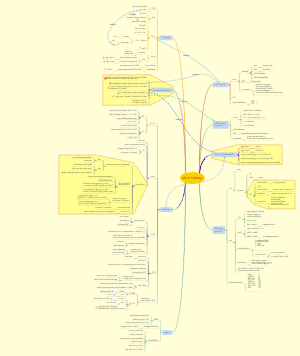
MindMap Gallery CPA Financial Management Chapter 10 Dividend distribution, stock split, stock repurchase
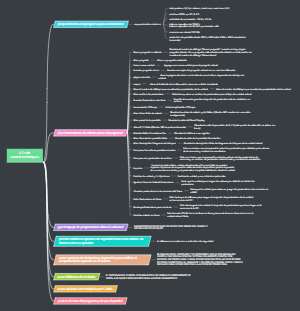
Compiled based on teacher Zheng Xiaobo’s lecture notes. This chapter introduces the meaning and characteristics of various dividend theories, the influencing factors of dividend policy, the meaning and characteristics of four dividend distribution policies, dividend types, payment procedures and distribution plans, the characteristics of stock dividends and stock splits, and the significance of stock repurchases and repurchase methods. Chapter 7 is the dividend distribution for the current year, and this chapter is the dividend distribution for the next year. There is a certain correlation between residual dividend policy and the determination of financial policy cash flows involved in the discounted cash flow model of enterprise value assessment. The content of the fixed dividend payout rate policy has a certain connection with the preparation of forecast statements and the determination of profit retention in capital demand forecasts. The growth rate of net profit under the fixed dividend payout rate policy is equal to the dividend growth rate, which is closely related to determining the growth rate of dividends in the fixed growth model. When studying, pay attention to the connections between each knowledge point.
Edited at 2024-01-29 16:15:54This strategic SWOT analysis explores how Aeon can navigate the competitive online landscape, highlighting strengths, weaknesses, opportunities, and threats. Strengths include strong brand recognition (trusted Japanese heritage, quality), omnichannel capabilities (stores + online + mall integration), customer loyalty programs (Aeon Card, points, member pricing), and physical footprint (extensive store network for pickup/returns). Weaknesses encompass digital maturity gaps (e-commerce penetration, app functionality, personalization vs. Amazon, Alibaba), cost structure challenges (store-heavy, real estate, labor), and supply chain complexity (fresh food, frozen logistics for online). Opportunities include enhancing e-commerce competitiveness (faster delivery, wider assortment, lower minimum order), leveraging data-driven strategies (purchase history, personalized offers, inventory optimization), expanding omnichannel integration (buy online pick up in store, ship from store), and private label growth (Topvalu, localized brands). Threats involve online-first players (Amazon, Alibaba, Sea Limited) with lower costs, wider selection, faster delivery, market dynamics (changing consumer behavior post-COVID, discount competitors), and regulatory risks (data privacy, cross-border e-commerce rules). Aeon can strengthen market position by investing in digital capabilities, leveraging store assets for omnichannel, and using customer data for personalization, while addressing cost structure and online competition.
This analysis explores how Aeon effectively tailors offerings to meet the diverse needs of family-oriented consumers through a comprehensive Segmentation, Targeting, and Positioning (STP) framework. Demographic segmentation examines family life stages (young families with babies, school-aged children, teenagers, empty nesters), household sizes (small vs. large), income levels (mass, premium), and parent age bands (millennials, Gen X). This identifies distinct consumer groups with different spending patterns. Geographic segmentation highlights store catchment types (urban, suburban, rural), community characteristics (density, income, competition), and local preferences (fresh food, halal, Japanese products). Psychographic segmentation delves into family values (health, safety, education, convenience), lifestyle orientations (busy professionals, home-centered, eco-conscious). Behavioral segmentation focuses on shopping missions (daily grocery, weekly stock-up, seasonal shopping), price sensitivity (value seekers, premium), channel preferences (in-store, online, pickup). Needs-based segmentation reveals core family needs related to value (good-better-best pricing), budget considerations (affordability, promotions, member pricing), safety (food quality, product recall), convenience (one-stop shopping, parking, store hours). Targeting prioritizes young families with school-aged children, budget-conscious households, and convenience-seeking shoppers. Positioning emphasizes Aeon as a family-friendly, value-for-money, one-stop destination with Japanese quality and local relevance. These insights enhance family shopping experiences through tailored assortments (kids’ products, school supplies), promotions (family bundles, weekend events), and services (nursing rooms, kids’ play areas).
This Kream Sneaker Consumption Scene Analysis Template aims to visualize purchasing and consumption journeys of sneakers, identifying key demand drivers and obstacles. User behavior within Kream includes searching, bidding, buying, selling, authentication, and community engagement. External influences include brand drops (Nike, Adidas), social media (Instagram, TikTok), influencer hype, and cultural trends. Target categories: limited editions, collaborations, retro releases, performance sneakers, and general releases. Timeframes: launch day, first week, first month, long-term (seasonal, yearly). Regions: North America, Europe, Asia (Korea, China, Japan). User segments: Collectors: value rarity, condition, completeness (box, accessories). KPIs: collection size, spend, authentication rate. Resellers: value profit margin, volume, turnover. KPIs: sell-through rate, average profit, listing frequency. Sneakerheads: value hype, trends, community validation. KPIs: purchase frequency, social engagement, wishlist adds. Casual trend followers: value style, convenience, price. KPIs: conversion rate, average order value, repeat purchases. Gift purchasers: value ease, presentation, brand trust. KPIs: gift message usage, return rate. Consumption journey: Awareness: social media, email, push notifications. Search: browse, filter, search by brand, model, size. Purchase: bid, buy now, payment, shipping. Authentication: inspection, verification, certification. Resale: list, price, sell, transfer. Sharing: review, unboxing, social post, community discussion. Key performance indicators: conversion rate, sell-through rate, average order value, customer lifetime value, authentication pass rate, return rate, Net Promoter Score. This framework helps understand sneaker trading dynamics, user motivations, and touchpoints for engagement and satisfaction.
This strategic SWOT analysis explores how Aeon can navigate the competitive online landscape, highlighting strengths, weaknesses, opportunities, and threats. Strengths include strong brand recognition (trusted Japanese heritage, quality), omnichannel capabilities (stores + online + mall integration), customer loyalty programs (Aeon Card, points, member pricing), and physical footprint (extensive store network for pickup/returns). Weaknesses encompass digital maturity gaps (e-commerce penetration, app functionality, personalization vs. Amazon, Alibaba), cost structure challenges (store-heavy, real estate, labor), and supply chain complexity (fresh food, frozen logistics for online). Opportunities include enhancing e-commerce competitiveness (faster delivery, wider assortment, lower minimum order), leveraging data-driven strategies (purchase history, personalized offers, inventory optimization), expanding omnichannel integration (buy online pick up in store, ship from store), and private label growth (Topvalu, localized brands). Threats involve online-first players (Amazon, Alibaba, Sea Limited) with lower costs, wider selection, faster delivery, market dynamics (changing consumer behavior post-COVID, discount competitors), and regulatory risks (data privacy, cross-border e-commerce rules). Aeon can strengthen market position by investing in digital capabilities, leveraging store assets for omnichannel, and using customer data for personalization, while addressing cost structure and online competition.
This analysis explores how Aeon effectively tailors offerings to meet the diverse needs of family-oriented consumers through a comprehensive Segmentation, Targeting, and Positioning (STP) framework. Demographic segmentation examines family life stages (young families with babies, school-aged children, teenagers, empty nesters), household sizes (small vs. large), income levels (mass, premium), and parent age bands (millennials, Gen X). This identifies distinct consumer groups with different spending patterns. Geographic segmentation highlights store catchment types (urban, suburban, rural), community characteristics (density, income, competition), and local preferences (fresh food, halal, Japanese products). Psychographic segmentation delves into family values (health, safety, education, convenience), lifestyle orientations (busy professionals, home-centered, eco-conscious). Behavioral segmentation focuses on shopping missions (daily grocery, weekly stock-up, seasonal shopping), price sensitivity (value seekers, premium), channel preferences (in-store, online, pickup). Needs-based segmentation reveals core family needs related to value (good-better-best pricing), budget considerations (affordability, promotions, member pricing), safety (food quality, product recall), convenience (one-stop shopping, parking, store hours). Targeting prioritizes young families with school-aged children, budget-conscious households, and convenience-seeking shoppers. Positioning emphasizes Aeon as a family-friendly, value-for-money, one-stop destination with Japanese quality and local relevance. These insights enhance family shopping experiences through tailored assortments (kids’ products, school supplies), promotions (family bundles, weekend events), and services (nursing rooms, kids’ play areas).
This Kream Sneaker Consumption Scene Analysis Template aims to visualize purchasing and consumption journeys of sneakers, identifying key demand drivers and obstacles. User behavior within Kream includes searching, bidding, buying, selling, authentication, and community engagement. External influences include brand drops (Nike, Adidas), social media (Instagram, TikTok), influencer hype, and cultural trends. Target categories: limited editions, collaborations, retro releases, performance sneakers, and general releases. Timeframes: launch day, first week, first month, long-term (seasonal, yearly). Regions: North America, Europe, Asia (Korea, China, Japan). User segments: Collectors: value rarity, condition, completeness (box, accessories). KPIs: collection size, spend, authentication rate. Resellers: value profit margin, volume, turnover. KPIs: sell-through rate, average profit, listing frequency. Sneakerheads: value hype, trends, community validation. KPIs: purchase frequency, social engagement, wishlist adds. Casual trend followers: value style, convenience, price. KPIs: conversion rate, average order value, repeat purchases. Gift purchasers: value ease, presentation, brand trust. KPIs: gift message usage, return rate. Consumption journey: Awareness: social media, email, push notifications. Search: browse, filter, search by brand, model, size. Purchase: bid, buy now, payment, shipping. Authentication: inspection, verification, certification. Resale: list, price, sell, transfer. Sharing: review, unboxing, social post, community discussion. Key performance indicators: conversion rate, sell-through rate, average order value, customer lifetime value, authentication pass rate, return rate, Net Promoter Score. This framework helps understand sneaker trading dynamics, user motivations, and touchpoints for engagement and satisfaction.
Chapter 10 Dividend distribution, stock split, stock buyback
Overview
equity transactions
No profit or loss
Unit 1 Dividend Types and Distribution Procedures
【1】Form of dividend distribution
1. Four forms of dividend distribution
There are only four types: cash, stocks, property, and liabilities.
Accumulated surplus, ≠ profit for the year
property dividends
Company B's stock distributes dividends to Company A
debt dividend
Bear one's own liabilities to shareholders
Notes payable, bonds payable
stock buyback
Not in the form of dividend distribution
stock split
Not in the form of dividend distribution
Similar to stock dividends
Capital reserve converted into share capital
Not in the form of dividend distribution
Very similar to stock dividends
2. Application of various forms of dividend distribution in practice
Paid: Cash Dividend
0.6 yuan/10 shares=0.06 yuan/share
Giveaway: Stock Dividends
Transfer: transfer of capital reserve to increase
【2】Time point for dividend distribution
Financial management concern
Equity registration date
ex-dividend ex-rights date
on or after
Release of distribution rights
【3】Influencing factors of dividend distribution
1. legal factors
2. company factors
Issuance costs are high
low dividend
Stable profits and sufficient cash
low dividend
3. shareholder factors
Maintain control and avoid share increases
low dividend
4. other factors
inflation
Depreciation is low and profits are artificially high
Less dividends
5. example
Inventories continue to increase
not a good thing
holding on to money
low dividend
High marginal tax rate
low dividend
Unit 2 Dividend Distribution Theory
【4】Overview of dividend distribution
1. The essence of dividend distribution policy
Expected return on stocks = dividend yield capital gains rate
2. Dividend-irrelevant theory and dividend-related theory
Irrelevant to MM theory
No impact on shareholders and the company
On
tax gap theory
customer effect
a bird in hand
agency theory
signaling theory
【5】Dividend irrelevance theory
1. Dividend irrelevance theory = no tax MM theory = complete market theory
5 assumptions
2 conclusions
2. Assumption of dividend irrelevance theory
Signaling Theory Remote Echo Prioritized Financing Interest Rates
subtopic
3. The conclusion of dividend irrelevance theory
Conclusion 1: Shareholders have no preference for dividend income and capital gains
Conclusion 2: There is no difference between the company's issuance of new shares and retained earnings.
Opportunities that shareholders are optimistic about = opportunities that the company is optimistic about
subtopic
【6】Dividend correlation theory
1. tax gap theory
Capital gains have transaction costs
No transaction fees on dividend income
cash dividend wins
Capital gains have transaction costs
No transaction fees for cash dividends
Dividend earnings, more taxes
2. Customer effect theory (marginal tax rate)
3. Bird-in-the-Hand (Deterministic Preference) Theory
【7】Agency theory in dividend distribution
1. Conflicts of interest among shareholders, creditors and operators
conflict
shareholder
issue debt
Reject the net present value to be positive
coordination
Creditors: low dividends
Shareholders: high dividends
2. Conflicts of interest between small and medium-sized shareholders and controlling shareholders
Small and medium shareholders: high dividends
3. example
【8】Signaling Theory (Priority Financing)
1. Assumptions of Signaling Theory
2. The signal sent by dividend distribution
Having money and nowhere to spend it is better than having no money at all
3. example
【9】Residual dividend policy (theory)
1. basic logic
Maximize net present value ↓
Capital cost minimization ↓
Equity financing needs ↓
internal or external ↓
2. Fundamental reasons and influencing factors
fundamental reason
Maintain an ideal capital structure to minimize the weighted average cost of capital
Influencing factors
Investment Opportunities
capital cost = capital structure
Multiple choice
CD
Single choice
D
3. double priority
(1) When raising equity funds
Give priority to retained earnings
Secondly, consider issuing new shares
(2) When distributing profits
Prioritize meeting equity financing needs
Secondly, consider dividend distribution
4.
Should consider: investment cost, capital cost, current year profit
【10】Residual dividend policy (calculation)
1. Calculation formula
2. Factors that should be considered
Everything that should have been distributed in previous years has been distributed, and only the net profit for this year will be considered.
Previous years: What should be divided should be divided, and what is left cannot be divided.
3. Factors that should not be considered
Whether you have money or not, you all get dividends. Borrow money and share dividends.
Monetary capital stock, not considered
Undistributed profits at the beginning of the period are not considered
Regardless of the beginning of the period
Total accrued surplus, regardless of
Meet project equity financing needs and also meet legal requirements
Retained earnings carry both shoulders
Retained earnings also belong to surplus reserves
4. hint
retained earnings
breakeven
Statutory provision of 10%
5. example
Disregarding undistributed profits at the beginning of the year
A positive number
No allocation in previous years
negative number
The profits of the year are retained to make up for the losses
Do not consider accruing 10% of surplus reserve
7 million to meet the requirements of statutory public reserve and loss compensation.
【11】Other dividend policies
1. Fixed or stable growth dividend policy
Stable growth: Enterprises in a period of stable growth
Stable stock price
Signaling Theory: Good Image
A bird in hand: eliminating uncertainty
2. Fixed dividend payout rate policy
Dividend payout ratio, average over several years
Retained earnings from previous years can also be distributed as dividends, which may be greater than 100%
3. Low Normal Dividend Extra Dividend Policy (C Policy)
subtopic
example
The profit is retained at 3,200, which meets the statutory provident fund requirements.
Unit 4 Stock Dividends, Stock Splits, Stock Buybacks
Overview
Corporate equity distribution behavior
Cash dividends VS stock buybacks, cash outflow from the company
Stock buybacks vs. stock issuances
on the contrary
Flow into enterprises
Stock Splits VS Stock Dividends
resemblance
Volume expansion, per share dilution
Owner's equity is a Chinese tunic suit
Retained earnings, money earned
Capital reserves are converted into share capital and undistributed profits are not used, which does not constitute dividend distribution.
【12】Stock dividends and capital reserve transfer
1. Comparison of stock dividends and conversion of capital reserves into share capital
Face value is not market value
Retained profits Shift Equity
2. The impact of stock dividends and conversion of capital reserves into share capital
Par value per share, unchanged
Price to market ratio, unchanged
Total market capitalization, unchanged
The value of the shares held by each shareholder remains unchanged
Impact on capital institutions and equity structure
Impact on per-share metrics and price-to-price ratio (P/E ratio)
3. The role of stock dividends
Maintain company liquidity
The market conveys good news
【13】Calculation of ex-dividend and ex-rights prices
1. When is ex-dividend ex-right required?
Additional issuance and fixed placement do not involve ex-dividends and ex-rights
2. How to calculate ex-dividends and ex-rights
Cash dividend: Caliber per share
Cash dividends: pre-tax basis
The basis is the equity registration date
3. Right to fill in and paste
4. example
The reference price is based on: equity registration date
General: D0 has been collected by the previous player
Special: If you buy it on the equity registration date, you can get dividends.
【14】Stock split
1. What does stock split mean?
Divide a high-denomination stock into multiple shares of par-denomination
Lower the threshold and increase liquidity
2. The difference between stock dividends and stock splits
Stock Split: One pocket of 100 is exchanged for 2 pockets of 50
Stock split, no change
Detailed accounts and internal structure of owners’ equity
Stock split, no change
Distributable ability/dividend ability
3. The role of stock splits
Reduce the price per share (ex-rights)
Attract more investors
Increase stock price (fill in the right)
Based on ex-rights price↑
4. example
Reduce the price per share, the main purpose
【15】Stock merger
Stock mergers are also called "stock reverse splits"
【16】Stock buyback
1. The relationship between stock buybacks and cash dividends
It has the same effect as cash dividends, but has different meanings.
Company cash flows to shareholders
Total equity decreases
Stock buyback = shareholders sell stock
example
2. The role of share buybacks
It is equivalent to issuing large dividends to avoid the negative impact of dividend fluctuations.
Stock buyback: Stabilize and increase stock price
Adjust capital structure (increase leverage)
Adjust ownership structure
What proportions are held by each type of shareholder?
structure
3. example
Stock buybacks to increase asset-liability ratio
Stock issuance conveys the news that stocks are overvalued.
appendix
Appendix 1 Compilation of cross-chapter topics
1. Equity transactions do not change shareholder wealth
2. signaling theory
3. Free cash flow in agency theory
Appendix 2 Stock repurchase methods
Dutch auction, companies have greater flexibility
Flexibility Topics