MindMap Gallery cell life process
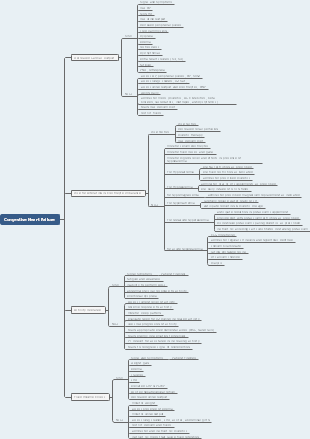
This is a mind map about the life process of cells. The main contents include: cell death, cell aging, cell differentiation, and cell value-added.
Edited at 2024-01-28 17:02:56Avatar 3 centers on the Sully family, showcasing the internal rift caused by the sacrifice of their eldest son, and their alliance with other tribes on Pandora against the external conflict of the Ashbringers, who adhere to the philosophy of fire and are allied with humans. It explores the grand themes of family, faith, and survival.
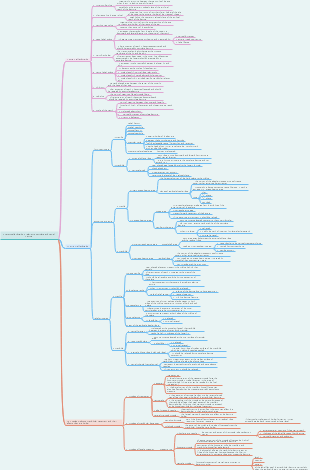
This article discusses the Easter eggs and homages in Zootopia 2 that you may have discovered. The main content includes: character and archetype Easter eggs, cinematic universe crossover Easter eggs, animal ecology and behavior references, symbol and metaphor Easter eggs, social satire and brand allusions, and emotional storylines and sequel foreshadowing.
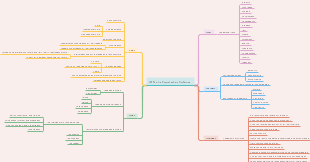
[Zootopia Character Relationship Chart] The idealistic rabbit police officer Judy and the cynical fox conman Nick form a charmingly contrasting duo, rising from street hustlers to become Zootopia police officers!
Avatar 3 centers on the Sully family, showcasing the internal rift caused by the sacrifice of their eldest son, and their alliance with other tribes on Pandora against the external conflict of the Ashbringers, who adhere to the philosophy of fire and are allied with humans. It explores the grand themes of family, faith, and survival.
This article discusses the Easter eggs and homages in Zootopia 2 that you may have discovered. The main content includes: character and archetype Easter eggs, cinematic universe crossover Easter eggs, animal ecology and behavior references, symbol and metaphor Easter eggs, social satire and brand allusions, and emotional storylines and sequel foreshadowing.
[Zootopia Character Relationship Chart] The idealistic rabbit police officer Judy and the cynical fox conman Nick form a charmingly contrasting duo, rising from street hustlers to become Zootopia police officers!
cell life process
cell proliferation
cyclical
For cells that divide continuously, a cell cycle begins when one division is completed and ends when the next division is completed. Cell cycle is divided into division phase and interphase
significance
Cell proliferation is an important cell life activity and the genetic basis for growth, development, reproduction and inheritance of organisms.
Mitosis (plant cells as an example)
interphase
Complete the replication of DNA molecules and the synthesis of related proteins, and at the same time, the cells will grow moderately
division period
Early stage
Two things lost and two things appeared, scattered in confusion
medium term
Shape, definite number, clear equator
later stage
The increase in the number of granule divisions is divided into two levels (in plant cells, the spindle pulls the chromosomes to move to the two levels of the cell; in animal cells, the star rays emitted from the centrioles at the poles of the cell form a spindle to pull the chromosomes to move to the two levels of the cell)
Late period
Two things are lost and two things become a wall.
Animal cells do not form a cell plate in the final stage. Instead, the cell membrane dents inward from the middle of the cell, and finally the cell is split into two parts.
significance
After the chromosomes of the parent cell are copied, they are evenly distributed to the two daughter cells. Because there is genetic material DNA on the chromosomes, genetic stability is maintained between the parents and offspring of the cell.
Amitosis (no changes in spindle fibers and chromosomes occur during the process)
The nucleus first elongates, and the middle part of the nucleus is depressed inward and constricted into two nuclei. Then the whole cell splits into two parts from the middle to form two daughter cells
example
Frog red blood cells, liver cells, renal tubular epithelial cells
differentiation of cells
During the process of ontogeny, there is a process in which the offspring produced by the proliferation of one or more cells have stable differences in morphology, structure and physiological function.
Principle: Selective expression of genes
Depends on the totipotency of animal cell nuclei and the totipotency of plant cells
Versatility
Refers to the fact that after cells divide and differentiate, they still have the potential and characteristics to produce complete organisms or differentiate into various other cells.
The greater the degree of cell differentiation, the less totipotent
stem cell
A small number of cells with the ability to divide and differentiate that are still retained in animals and humans
Classification
totipotent stem cells
Fertilized eggs, early embryonic stem cells
pluripotent stem cells
hematopoietic stem cells
multipotent stem cells
nerve cells, muscle cells
cellular senescence
Characteristics of cellular senescence
Changes in cell membrane permeability and reduced material transport capacity
The size of the nucleus increases, the nuclear membrane folds in, the chromatin shrinks, and the staining deepens
Intracellular water decreases, cells shrink, and volume decreases
The activity of various enzymes in cells decreases, the respiration rate slows down, and the metabolism rate slows down
Pigments gradually accumulate in cells, hindering the communication and delivery of intracellular substances.
Causes of cell senescence
free radical theory
Abnormally active charged molecules or groups can be produced through cellular auto-oxidation and normal cell life activities.
Principle: After free radicals are generated, they will attack and destroy the normal working biological molecules in the cells. Free radicals will also be generated. The newly generated free radicals will attack other molecules.
Attacking DNA may produce genetic mutations
Attacking proteins reduces protein activity and leads to cell senescence.
telomere theory
Telomere: a special sequence of DNA-protein complexes located at both ends of a chromosome
Principle: Every time a cell divides, the telomere will be shortened, and the truncated part will extend inward. The DNA sequence of the normal gene inside the telomere will be damaged, causing the cell activity to become abnormal.
cell death
Apoptosis (dead)
The process by which cells automatically end their lives, determined by genes, is programmed death.
Cell necrosis (unexpected death)
Cell damage and necrosis caused by damage or interruption of normal metabolic activities of cells under the influence of various adverse factors
autophagy
Cells eat their own structures and materials
Cells in nutrient-deficient conditions obtain the materials and energy needed for survival through autophagy. Autophagy can remove damaged and aging organelles, thereby maintaining the stability of the internal environment of the cell.
Intense autophagy may induce apoptosis