MindMap Gallery Prejudice is not your fault, it’s all caused by your thinking (assignment optimization version)
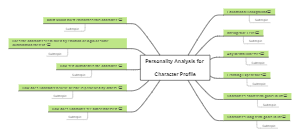
DISC personality analysis assessment knowledge points, DISC personality analysis is a personality testing method that evaluates an individual's personality traits by analyzing their behavioral performance in specific situations.
Edited at 2024-01-27 15:14:25Avatar 3 centers on the Sully family, showcasing the internal rift caused by the sacrifice of their eldest son, and their alliance with other tribes on Pandora against the external conflict of the Ashbringers, who adhere to the philosophy of fire and are allied with humans. It explores the grand themes of family, faith, and survival.

This article discusses the Easter eggs and homages in Zootopia 2 that you may have discovered. The main content includes: character and archetype Easter eggs, cinematic universe crossover Easter eggs, animal ecology and behavior references, symbol and metaphor Easter eggs, social satire and brand allusions, and emotional storylines and sequel foreshadowing.
[Zootopia Character Relationship Chart] The idealistic rabbit police officer Judy and the cynical fox conman Nick form a charmingly contrasting duo, rising from street hustlers to become Zootopia police officers!
Avatar 3 centers on the Sully family, showcasing the internal rift caused by the sacrifice of their eldest son, and their alliance with other tribes on Pandora against the external conflict of the Ashbringers, who adhere to the philosophy of fire and are allied with humans. It explores the grand themes of family, faith, and survival.
This article discusses the Easter eggs and homages in Zootopia 2 that you may have discovered. The main content includes: character and archetype Easter eggs, cinematic universe crossover Easter eggs, animal ecology and behavior references, symbol and metaphor Easter eggs, social satire and brand allusions, and emotional storylines and sequel foreshadowing.
[Zootopia Character Relationship Chart] The idealistic rabbit police officer Judy and the cynical fox conman Nick form a charmingly contrasting duo, rising from street hustlers to become Zootopia police officers!
Prejudice is not your fault, it’s all caused by your thinking
1. ramp
1.1. Self introduction
1.1.1. professional manager
1.1.1.1. Two Fortune 500 foreign companies
1.1.2. Training instructors and assessment consultants
1.1.2.1. Co-founder of DISC International Dual Certificate Class Community
1.1.2.2. DISC Community Top 100 Recommended Lecturer
1.1.2.3. DISC Certified Assessment Consultant
1.2. Imagine a scene: a person, lonely on a city street, is asked: Friend, have you heard of Amway?
1.2.1. Did you laugh? why are you laughing? ——Inner bias. What’s even more frightening is that we don’t know
1.3. What is prejudice? —Definition of Prejudice
1.3.1. Baidu Encyclopedia: Chinese words
1.3.2. Baidu Encyclopedia: Sociology and Psychology
1.4. Keywords: divorced from objective facts, one-sided (based only on...), negative negation
1.4.1. characteristic thinking
1.4.2. Comprehensive thinking
1.4.3. growth mindset
1.5. Transition: A tool that introduces three types of thinking to help solve the countless bias challenges we face in the future
1.5.1. DISC
2. Discover
2.1. Introduction to DISC
2.1.1. In 1926, Dr. William Marston, the inventor of the White House polygraph, proposed it.
2.1.2. One of the most widely used talent assessment tools among Fortune 500 companies
2.2. Two prerequisites
2.2.1. behavioral tendencies
2.2.1.1. Shake hands 2 times (1 or 2 times indicates preference)
2.2.2. scientific method
2.2.2.1. What is a circle ⭕️?
2.2.2.1.1. Category: two-dimensional four-quadrant coordinate axes
2.3. Four types of behavioral styles
2.3.1. Display the names of the four quadrants of DISC
2.3.2. Case study: There was a power outage in the middle of the night, and the four children in the family had different reactions.
2.3.3. The behavioral styles and coping strategies of four different traits: D, I, S, and C
2.3.4. What kind of person is suitable to be a leader? What kind of characteristics are suitable for sales?
2.4. Three premises
2.4.1. No advantages or disadvantages, just features
2.4.1.1. Is being “stingy” an advantage or a disadvantage?
2.4.1.1.1. Benefits: Ability to convey to others anytime, anywhere: I understand you!
2.4.1.1.2. Understanding is more important than loving
2.4.1.2. Strengths vs Weaknesses.
2.4.1.2.1. Weaknesses rather than shortcomings. All weaknesses are strengths overplayed. Examples: Mysophobia, your mother makes you wear long johns.
2.4.2. Everyone has the four qualities D, I, S, and C, but the proportions are different.
2.4.2.1. There are four solutions to everything
2.4.2.1.1. Use D well to defend yourself instead of infringing on others
2.4.2.1.2. Use I well to inspire the inside rather than praising the outside
2.4.2.1.3. Use S well, take care of needs rather than indulge in behaviors
2.4.2.1.4. Use C as it says and not as I think
2.4.3. D, I, S, C can be changed
2.4.3.1. iceberg model
2.5. Three advance corresponds to three kinds of thinking
2.5.1. characteristic thinking
2.5.1.1. Focus on the facts, suspend judgment
2.5.1.1.1. Is what I know fact or opinion?
2.5.2. Comprehensive thinking
2.5.2.1. Is the information I have one-sided or comprehensive?
2.5.3. growth mindset
2.5.3.1. Is it possible that this thing/person will change in the future?
3. dessert
3.1. Let me tell you one last story.
3.1.1. little duck story
3.1.1.1. After listening to so many truths, you still can’t live a good life?
3.1.1.2. If it’s useless, it’s “useless”
Prejudice is not your fault, it’s all caused by your thinking
1. ramp
1.1. Self introduction
1.1.1. professional manager
1.1.1.1. Two Fortune 500 foreign companies
1.1.2. Training instructors and assessment consultants
1.1.2.1. Co-founder of DISC International Dual Certificate Class Community
1.1.2.2. DISC Community Top 100 Recommended Lecturer
1.1.2.3. DISC Certified Assessment Consultant
1.2. Imagine a scene: a person, lonely on a city street, is asked: Friend, have you heard of Amway?
1.2.1. Did you laugh? why are you laughing? ——Inner bias. What’s even more frightening is that we don’t know
1.3. What is prejudice? —Definition of Prejudice
1.3.1. Baidu Encyclopedia: Chinese words
1.3.2. Baidu Encyclopedia: Sociology and Psychology
1.4. Keywords: divorced from objective facts, one-sided (based only on...), negative negation
1.4.1. characteristic thinking
1.4.2. Comprehensive thinking
1.4.3. growth mindset
1.5. Transition: A tool that introduces three types of thinking to help solve the countless bias challenges we face in the future
1.5.1. DISC
2. Discover
2.1. Introduction to DISC
2.1.1. In 1926, Dr. William Marston, the inventor of the White House polygraph, proposed it.
2.1.2. One of the most widely used talent assessment tools among Fortune 500 companies
2.2. Two prerequisites
2.2.1. behavioral tendencies
2.2.1.1. Shake hands 2 times (1 or 2 times indicates preference)
2.2.2. scientific method
2.2.2.1. What is a circle ⭕️?
2.2.2.1.1. Category: two-dimensional four-quadrant coordinate axes
2.3. Four types of behavioral styles
2.3.1. Display the names of the four quadrants of DISC
2.3.2. Case study: There was a power outage in the middle of the night, and the four children in the family had different reactions.
2.3.3. The behavioral styles and coping strategies of four different traits: D, I, S, and C
2.3.4. What kind of person is suitable to be a leader? What kind of characteristics are suitable for sales?
2.4. Three premises
2.4.1. No advantages or disadvantages, just features
2.4.1.1. Is being “stingy” an advantage or a disadvantage?
2.4.1.1.1. Benefits: Ability to convey to others anytime, anywhere: I understand you!
2.4.1.1.2. Understanding is more important than loving
2.4.1.2. Strengths vs Weaknesses.
2.4.1.2.1. Weaknesses rather than shortcomings. All weaknesses are strengths overplayed. Examples: Mysophobia, your mother makes you wear long johns.
2.4.2. Everyone has the four qualities D, I, S, and C, but the proportions are different.
2.4.2.1. There are four solutions to everything
2.4.2.1.1. Use D well to defend yourself instead of infringing on others
2.4.2.1.2. Use I well to inspire the inside rather than praising the outside
2.4.2.1.3. Use S well, take care of needs rather than indulge in behaviors
2.4.2.1.4. Use C as it says and not as I think
2.4.3. D, I, S, C can be changed
2.4.3.1. iceberg model
2.5. Three advance corresponds to three kinds of thinking
2.5.1. characteristic thinking
2.5.1.1. Focus on the facts, suspend judgment
2.5.1.1.1. Is what I know fact or opinion?
2.5.2. Comprehensive thinking
2.5.2.1. Is the information I have one-sided or comprehensive?
2.5.3. growth mindset
2.5.3.1. Is it possible that this thing/person will change in the future?
3. dessert
3.1. Let me tell you one last story.
3.1.1. little duck story
3.1.1.1. After listening to so many truths, you still can’t live a good life?
3.1.1.2. If it’s useless, it’s “useless”