MindMap Gallery Chapter 14 Electric Shock Accidents and First Aid
This is a mind map about Chapter 14 Electric Shock Accidents and First Aid. It is introduced in detail and described comprehensively. I hope it will be helpful to those who are interested!
Edited at 2024-01-23 13:45:29Avatar 3 centers on the Sully family, showcasing the internal rift caused by the sacrifice of their eldest son, and their alliance with other tribes on Pandora against the external conflict of the Ashbringers, who adhere to the philosophy of fire and are allied with humans. It explores the grand themes of family, faith, and survival.

This article discusses the Easter eggs and homages in Zootopia 2 that you may have discovered. The main content includes: character and archetype Easter eggs, cinematic universe crossover Easter eggs, animal ecology and behavior references, symbol and metaphor Easter eggs, social satire and brand allusions, and emotional storylines and sequel foreshadowing.
[Zootopia Character Relationship Chart] The idealistic rabbit police officer Judy and the cynical fox conman Nick form a charmingly contrasting duo, rising from street hustlers to become Zootopia police officers!
Avatar 3 centers on the Sully family, showcasing the internal rift caused by the sacrifice of their eldest son, and their alliance with other tribes on Pandora against the external conflict of the Ashbringers, who adhere to the philosophy of fire and are allied with humans. It explores the grand themes of family, faith, and survival.
This article discusses the Easter eggs and homages in Zootopia 2 that you may have discovered. The main content includes: character and archetype Easter eggs, cinematic universe crossover Easter eggs, animal ecology and behavior references, symbol and metaphor Easter eggs, social satire and brand allusions, and emotional storylines and sequel foreshadowing.
[Zootopia Character Relationship Chart] The idealistic rabbit police officer Judy and the cynical fox conman Nick form a charmingly contrasting duo, rising from street hustlers to become Zootopia police officers!
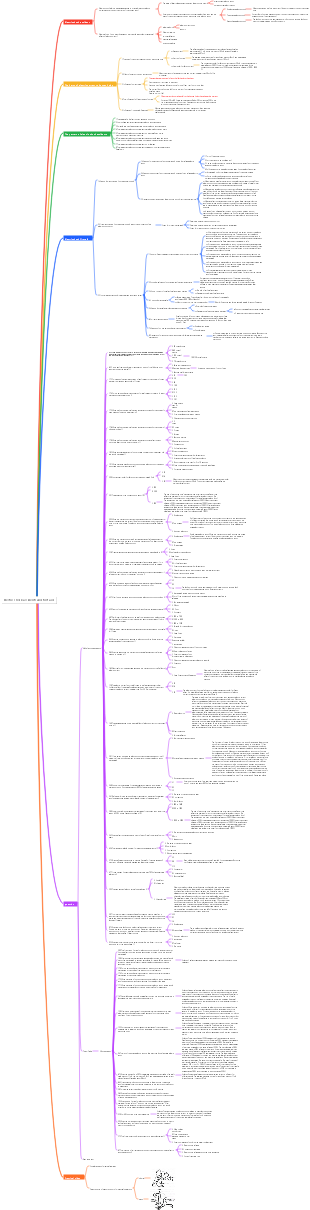
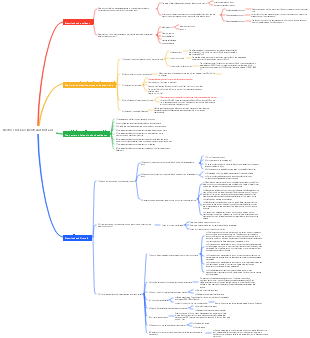
Electric shock accidents and first aid
Electric shock accident
Electric shock (refers to the damage caused to internal organs by electric current passing through the interior of the human body)
The state of electrical equipment when an electric shock occurs
direct contact electric shock
indirect contact electric shock
According to the way the human body touches the electrified body and the path of the current passing through the human body, electric shock
Single phase electric shock
When one phase in the line, the current flows into the earth through the human body
Two-phase electric shock
Current flows from one phase conductor through the human body into another phase conductor (most dangerous)
Step voltage electric shock
The fault point must not be approached within 4m indoors, and the fault point must not be approached within 8m outdoors.
Electrical injury (injury directly caused by the thermal, chemical or mechanical effects of electric current)
electrical burns
electric current burns
arc burn
Electric branding
Skin metallization
mechanical damage
photoophthalmia
The harm of electric current to human body
1. The size of the current passing through the human body
① Sense current
The effective value of the perceived current value of an adult male is approximately 1.1 mA, with a minimum of 0.5mA; an adult female is approximately 0.7mA
② Get rid of current
The average discharge current for adult men is about 16mA, and the average discharge current for adult women is about 10.5 mA.
③ Ventricular fibrillation current
The human ventricular fibrillation current is about 50mA; the body resistance is generally about 500 Ω. Under normal circumstances, the resistance of the human body under the action of 220V power frequency voltage is 1000 ~ 2000 Ω.
2. Effect of duration through human body
When the product of energization time and current is greater than 50 mA·s, life is in danger
3. Influence of current path
The most dangerous part is from the left hand to the chest
Next, move your right hand to the chest
Hands to both feet and left hand to one (or both) feet, right foot or both feet
The current flowing from the left foot to the right foot may make the person unable to stand. Causing injury or fall
4. The influence of different types of current
Direct current is more harmful to the human body than alternating current
Currents of 50 to 60 Hz are very dangerous. Below 20 Hz or above 350 Hz, the risk is reduced accordingly, but high-frequency current is more likely to cause skin burns than power frequency current.
5. Influence of individual differences
Women are more sensitive to electric current than men, and children are more vulnerable than adults. Weak people are more susceptible to injuries than healthy people
The pattern of electric shock accidents
1. The seasonality of electric shock accidents is obvious
2. Low-voltage equipment causes many electric shock accidents
3. Portable and mobile equipment are prone to electric shock accidents
4. There are many electric shock accidents at electrical connection parts
5. There are many electric shock accidents in the metallurgy, mining, construction, and machinery industries
6. There are many electric shock accidents among middle-aged and young workers, non-professional electricians, contract workers and temporary workers.
7. There are many electric shock accidents in rural areas
8. There are many electric shock accidents caused by incorrect operation and illegal work.
Electric shock first aid
1. Method of disconnecting from the power supply
1. Methods for disconnecting from power supply due to low voltage electric shock
1. Turn off the power switch
2. Cut the wires with an insulated tool
3. Use an insulating object to move the live conductor away from the person receiving the electric shock.
4. Pull the person who gets electrocuted away from the electrified object
2. Methods to disconnect from the power supply in case of high-voltage electric shock
① Immediately notify the relevant departments of the power outage.
② Put on insulating gloves and boots, and use insulating tools with corresponding voltage levels to open the switch.
3. Precautions when removing an electric shock victim from the power source
① When rescuing people, to ensure your own safety and prevent yourself from electric shock, you must use appropriate insulated tools instead of metal or wet objects, and operate with one hand as much as possible.
② When getting an electric shock, the current will cause muscle spasm and the hand will tightly hold the electrified object. Once the power is cut off, without the effect of the current, the hand may loosen and cause the person to fall. People who get electric shock should pay special attention to prevent falling injuries when they are at high places.
③ When an electric shock accident occurs in a dark place, temporary lighting should be provided quickly to prevent yourself from getting an electric shock and to make it easier to see the status of the electric shock victim for rescue purposes.
④ In case of high-voltage electric shock, do not use dry wooden sticks or bamboo poles to open high-voltage wires. A sufficient safe distance should be maintained from high-voltage live objects to prevent electric shock due to step voltage.
2. After disconnecting from the power supply, check the injury status of the electric shock victim
Check for injuries immediately
Determine whether he is conscious or not
Determine whether the person is breathing and having a heartbeat
Check for broken bones, burns, and other injuries
3. On-site rescue methods for heartbeat and respiratory arrest
1. Adopt different treatment methods according to the injury situation
① After disconnecting from the power supply, the person who got the electric shock should be conscious and conscious. The person who got the electric shock should lie down and rest quietly on the spot without moving around to reduce the burden on the heart. Someone should closely observe the changes in his breathing and pulse. Keep warm when the weather is cold.
② If the person who gets an electric shock is unconscious and has a heartbeat but stops breathing, mouth-to-mouth artificial respiration should be performed immediately. If artificial respiration is not performed in time, the heart will soon stop beating due to lack of oxygen.
③ If the person who gets an electric shock is unconscious and breathing, but the heartbeat has stopped, an artificial extrathoracic heart should be squeezed immediately.
④ If the person who gets an electric shock has his or her heartbeat stopped and his breathing also stopped or his breathing is weak, cardiopulmonary resuscitation should be performed immediately.
⑤ If the heartbeat and breathing stop and there are other injuries, cardiopulmonary resuscitation should be performed first, and then the trauma should be treated.
2. Physiological basis of on-site cardiopulmonary resuscitation
If breathing stops, gas exchange cannot occur. If the heart stops, blood circulation cannot occur, which will cause hypoxia and damage to cells. Brain cells are most sensitive to hypoxia. Generally, hypoxia for more than 8 minutes will lead to brain death and the patient will become a vegetative state even after rescue.
3. Mouth-to-mouth (nose) artificial respiration method
① The role of artificial respiration
② Preparations before artificial respiration
4. How to blow and exhale
① Take a deep breath. The volume of air blown into the lungs of the casualty should reach 800-1200mL (adults)
② Mouth to mouth, pinch your nose and blow.
Blow for 2 seconds and let the injured person exhale for about 3 seconds.
5. Method of manual external chest heart compression
①The role of heart compression
② Preparation before compressing the heart
a. Position the casualty and maintain a clear airway
b. Determine the correct compression site
6. Correct pressing method
Kneel on one side, fold your hands, palms against the pressure point, lean forward slightly, straighten your arms, press down vertically, release after pressing, press 100 times per minute, adults press down 4~5cm, children press down 2 ~3cm.
7. Methods of on-site cardiopulmonary resuscitation
① Single person rescue
② Double rescue
8. Precautions for rescuing the injured using artificial respiration and cardiac compression
① Provide immediate, on-site, correct and continuous rescue. Rescue on the spot immediately after disconnecting from the power source to avoid transferring the injured and delaying the rescue opportunity. Rescue should be continuous.
question
Multiple choice questions
84. When the electric shock victim is seriously injured and the heart stops beating, the external chest cardiac compression method should be used immediately for first aid. The compression frequency is ().
A. 80 times/minute
B. 60 times/minute
C. 100 times/minute
100-120 times/minute
D. 70 times/minute
65. During adult cardiopulmonary resuscitation, which of the following is not required to open the airway? ( )
A. Raise your head and chin
B. Remove fixed dentures
It needs to be picked up if it is not fixed.
C. Remove oral foreign matter
173. For cardiopulmonary resuscitation of adult patients, the number of times the heart is pressed in each cycle is ( ) times.
A. 30
30:2
B.50
C. 60
D. 100
174. During cardiopulmonary resuscitation for adult patients, the ratio of chest compressions and breathing is ().
A. 30:2
subtopic
B. 15:2
C. 10:2
D. 30:1
175. When performing cardiopulmonary resuscitation on adults, the commonly used method of opening the airway is ().
A. Head-up and neck-lift method
subtopic
B. Two-hand mandibular press method
C. Cricoid cartilage compression method
D. One-hand neck support method
176. When performing cardiopulmonary resuscitation on adults, the number of blows per cycle is ().
A. 2 times
subtopic
B. 5 times
C. 3 times
D. 6 times
178. When performing cardiopulmonary resuscitation on an electric shock victim, the electric shock victim must be in ().
A. Restoring posture
B. Resuscitation position
subtopic
C. Coma position
183. When a comatose patient is found to have no breathing or heartbeat, he/she should be treated ( ).
A. Artificial respiration
B. Chest compressions
C. Chest compressions and artificial respiration
subtopic
D. Intramuscular injection of lobelin and colamin
191. When someone was found unconscious due to electric shock, the person who made the wrong judgment was ().
A. Touch the aorta in the neck for 5 to 10 seconds
B. Open your eyes and observe whether the pupils are dilated
C. No trauma means no harm
subtopic
290. Human ventricular fibrillation current is approximately () mA.
A. 30
B.16
C. 50
When the current duration exceeds the heart beat cycle, the human ventricular fibrillation current is about 50mA. This current magnitude is also called the minimum lethal current.
291.The resistance in the human body is about ()Ω.
A. 300
B.200
C. 500
The size of the human body's resistance is an important physical factor that affects the degree of injury to the human body after an electric shock. The resistance of the human body is composed of (internal resistance) and (skin). The resistance in the body is basically stable, about 500Ω. When the contact voltage is 220V, the average human body resistance is 1900Ω; when the contact voltage is 380V, the human body resistance drops to 1200Ω. After analysis and research on a large amount of experimental data, it has been determined that the average value of human body resistance is generally about 2000Ω, and in calculation and analysis, the upper limit value is usually 1700Ω.
292. When the human body touches two-phase conductors in live equipment or lines at the same time, the current flows from one phase through the human body into the other phase. This electric shock phenomenon is called () electric shock.
A. Single phase
B. Two phases
If different parts of the human body come into contact with two exposed wires of different potentials of a power supply at the same time, the current on the wire will form a loop from one current wire to the other wire through the human body, causing electric shock. This type of electric shock is often called a two-phase electric shock.
C. Induction electricity
293. When the human body directly contacts a phase of a live equipment or line, current flows into the earth through the human body. This electric shock phenomenon is called () electric shock.
A. Single phase
Single-phase electric shock When the human body directly touches one phase of the live equipment, current flows through the human body into the earth. This electric shock phenomenon is called single-phase electric shock.
B. Two phases
C. Three phases
338. Trauma rescue compression and hemostasis method is applicable to ().
A. Limbs
B. Applicable to the whole body
C. Head, limbs
subtopic
423. After judging the breathing and heartbeat of a comatose patient, if it is found that there is no breathing or heartbeat, the patient should be treated
A. Chest compressions
B. Artificial respiration
C. Chest compressions and artificial respiration
subtopic
424. When performing cardiopulmonary resuscitation on a comatose patient, if a foreign object is found in the patient’s mouth, ()
A. Clean foreign objects in the mouth and open the respiratory tract
subtopic
B. Ignore it and continue rescue.
C. Open your mouth wide and expand your airways
425. When inspecting a ground fault point where a higher step voltage may exist, the fault point shall not be approached indoors within () m.
A.3
B.2
C.4
The fault point should not be approached within 4 meters indoors, and the fault point should not be approached within 8 meters outdoors.
427. After finding someone unconscious due to electric shock, you should do ().
A. Immediately rescue the unconscious person
B. Cut off the power supply, take protective measures, and move people to a safe area.
subtopic
C. Run away immediately
429. Depth of chest cardiac compressions for adults at the emergency scene ().
A. 5-6cm
subtopic
B. 2-3cm
C. Any depth
487. Perform artificial respiration on an adult injured person who is electrocuted. The volume of air blown into the injured person each time must reach () mL to ensure sufficient oxygen.
A. 500 to 700
B. 1200 to 1400
C. 800 to 1200
subtopic
396. Emergency trauma rescue compression and hemostasis method is suitable for () parts.
A. Suitable for the whole body
B. Limbs
C. Head, limbs
subtopic
94. When the human body is exposed to electric shock for a longer time, the resistance value of the human body ().
A. Get bigger
B. become smaller
subtopic
C. unchanged
96. When the eyes come into contact with chemical substances, the first aid method to be used is ().
A. Open your eyes and wipe it off with your hands
B. Wipe it clean with clothes
C. Cover your eyes and look for spray water to clean them.
subtopic
D. Open your eyes and wipe them clean with a towel
162. Electrical injury is the damage caused to the human body by the () effect of electric current.
A. Chemistry
B. hot
C. Heat, Chemistry and Mechanics
Electrical injury refers to the local damage caused by electricity to the outside of the human body, that is, the damage to the external tissues or organs of the human body caused by the thermal effect, chemical effect, and mechanical effect of the current, such as electric burns, metal splashes, and electric branding.
138. The electric current from the left hand to the feet causes ventricular fibrillation effect. It is generally believed that when the product of the current time and the electric current is greater than () mA.S, life is in danger.
A. 30
B.16
C. 50
The electric current from the left hand to the feet causes ventricular fibrillation effect. It is generally believed that life is in danger when the product of electric current time and current is greater than 50ma.S.
140. The damage caused by the thermal effect of electric current on the human body is ().
A. Electrical burns
There are three forms of harm to the human body caused by electric current: electric shock, electric injury and electromagnetic field injury. Electric shock refers to the passage of electric current through the human body, destroying the normal functions of the human heart, lungs and nervous system. Electrical injury refers to the damage to the human body caused by the thermal, chemical and mechanical effects of electric current. Mainly refers to arc burns, burns caused by molten metal splashing, etc. Physiological damage from electromagnetic fields means that under the action of high-frequency magnetic fields, people will experience neurological symptoms such as dizziness, fatigue, memory loss, insomnia, and dreaminess. It is generally believed that the danger of electric current passing through the heart, lungs and central nervous system of the human body is greater, especially when the electric current passes through the heart, the risk is greatest. So the current path from hands to feet is the most dangerous. ; Because there is more current passing through important organs such as the heart and lungs along this path; followed by
B. Electric branding
C. Skin metallization
301. If the person who gets an electric shock has his heart stopped but is still breathing, first aid should be given to the person who gets the electric shock immediately.
A. Supine chest pressing method
B. External chest cardiac compression method
The first step in first aid for electric shock is to quickly remove the electric shock victim from the power source, and the second step is on-site rescue. ;1. If an electric shock accident occurs while disconnecting from the power supply, do not panic and remove the person who received the electric shock immediately from the power supply. Methods to remove an electric shock victim from the low-voltage power supply: ① Open the power switch at the nearest location, pull out the latch or fuse, and cut off the power supply. Pay attention to whether the single-pole switch is installed on the live wire. If it is installed on the neutral wire by mistake, it cannot be considered that the power supply has been cut off. ② Use a sharp tool with an insulated handle to cut off the power cord. ③When you cannot find the switch or plug, you can use dry wooden sticks, bamboo poles and other insulators to pull the wires apart to remove the electric shock victim from the power supply. ④ A dry wooden board can be placed under the body of the person receiving an electric shock to insulate it from the ground. In the event of a high-voltage electric shock accident, the relevant departments should be notified immediately to cut off the power supply. Cause and place
C. Prone back pressing method
248. According to some data, if the heartbeat and breathing stop, rescue is carried out within () minutes, and about 80% of the patients can be saved.
A.1
According to some data, if the heart and breathing stop, rescue is carried out within 1 minute, and about 80% of the cases can be saved.
B.2
C.3
241. Before performing cardiopulmonary resuscitation, the patient's heartbeat should be diagnosed as a rapid and reliable indicator of cardiac arrest ().
A. The aorta in the neck does not beat.
subtopic
B. No breathing
C. Pupil dilation
380. Under normal circumstances, the resistance of the human body under the action of 220V power frequency voltage is ()Ω.
A. 800 to 1600
B. 500 to 1000
C. 1000 to 2000
The size of the human body's resistance is an important physical factor that affects the degree of injury to the human body after an electric shock. The resistance of the human body is composed of (internal resistance) and (skin). The resistance in the body is basically stable, about 500Ω. When the contact voltage is 220V, the average human body resistance is 1900Ω; when the contact voltage is 380V, the human body resistance drops to 1200Ω. After analysis and research on a large amount of experimental data, it has been determined that the average value of human body resistance is generally about 2000Ω, and in calculation and analysis, the upper limit value is usually 1700Ω.
543.Among electric shock accidents, most of them () result in personal injury or death.
A. The human body receives electric current and is shocked
B. Burn
C. electroshock
subtopic
454. The rapid and reliable indicator for diagnosing cardiac arrest is ().
A. The aorta in the neck does not beat.
subtopic
B. Pupil dilation
C. No breathing
D. Blood pressure cannot be measured
275. Brain cells are most sensitive to hypoxia. Generally, if hypoxia exceeds () minutes, it will cause irreversible damage and lead to brain death.
A.5
B.8
Brain cells are most sensitive to hypoxia. Generally, if hypoxia exceeds 8 minutes, it will cause irreversible damage and lead to brain death.
C.12
477. It can be seen from actual accidents that more than 70% of accidents are related to ().
A. Human error
subtopic
B. Human emotions
C. Technical level
392.The main cause of electro-optical ophthalmia is ().
A. Visible light
B. Infrared ray
C. Ultraviolet rays
Electro-optical ophthalmia is mostly caused by ultraviolet rays produced by arcs and molten metal during electric welding or gas welding. It can also be caused by ultraviolet disinfection, sun lamp irradiation, etc. It can also occur in glaciers, plateaus, snow, sea, deserts and other places. People who are injured by ultraviolet rays reflected by sunlight during work are also called snow blindness. The wavelength range of harmful ultraviolet rays is between 320 and 350nm. For those injured by electric welding, it only takes more than 15 minutes to get sick. Most symptoms occur 6 to 8 hours after exposure. After ultraviolet rays irradiate the eyes, it has a photochemical effect on the tissue, denaturing and coagulating the protein, causing electro-optical damage, causing the conjunctival and corneal epithelium to die and fall off, exposing the sensory nerve endings, causing strong irritation symptoms.
507. In order to prevent the step voltage from causing harm to people, it is required that the minimum distance between the lightning protection grounding device and the entrance and exit of the building and the sidewalk should not be less than () meters.
A.2.5
B.3
subtopic
C.4
87. When a ground fault occurs in electrical equipment, the ground current flows to the earth through the ground body. If a person walks around the ground short circuit point, the electric shock caused by the potential difference between his feet is called ( ) electric shock.
A. Single phase
B. Step voltage
The so-called step voltage refers to the voltage between the feet of a person walking in the potential distribution area around the point where the ground current enters when a ground fault occurs in an electrical equipment.
C. Induction electricity
93. When a grounding occurs on a certain power line, the closer it is to the grounding point, the step voltage ( ).
A. unchanged
B. The lower
C. The higher
subtopic
True or False
Wrong question
209. The first step in first aid for electric shock is to quickly remove the victim from the electric current, and the second step is to send him to the hospital immediately.
198 After discovering that someone has been electrocuted, the hospital should be notified immediately to send an ambulance for rescue. Before the doctor arrives, on-site personnel cannot rescue the electrocuted person to avoid secondary injuries.
Analysis; if safety measures are taken, wearing anti-static clothing can provide treatment
178. During cardiopulmonary resuscitation, the position where the heart is compressed is the middle of the sternum, not other locations.
174. During cardiopulmonary resuscitation, the position where the heart is compressed is the mid-sternal position.
172. When someone is found unconscious due to electric shock, the patient should be picked up directly and removed from the electrified area.
171. When someone is found unconscious due to electric shock, rescue should be carried out immediately on the spot without calling for pedestrians.
147. Generally speaking, single-phase electric shock in a grounded power grid is less dangerous than in an ungrounded power grid.
Analysis: Large single-phase electric shock refers to an electric shock accident in which the human body is on the ground or other grounded conductors, and a certain part of the human body touches a live body of one phase. Most electric shock accidents are single-phase electric shock accidents. The risk of single-phase electric shock is related to the way the power grid operates. In general, single-phase electric shock in a grounded power grid is more dangerous than in an ungrounded power grid.
128. After being disconnected from the power source, the person who was electrocuted should be allowed to walk back and forth to enhance blood circulation if he or she is conscious.
Analysis: When the person who gets an electric shock is disconnected from the power supply, different first aid measures should be taken according to the severity of the electric shock. If the injured person who received an electric shock is not seriously injured and is still conscious but has numbness in his limbs and general weakness, or if he has been unconscious for a while but has not lost consciousness, he should be allowed to rest quietly on the spot for 1 to 2 hours and be closely observed.
125. As the power-on time increases, the resistance of the human body increases due to sweating, resulting in a decrease in the current passing through the human body.
Analysis: Generally speaking, the greater the current passing through the human body, the greater the threat to human life. The longer the duration of the current passing through the human body, causing the skin where it flows to heat up and sweat, which reduces the skin impedance. In this way, the current passing through the human body also increases accordingly, thereby increasing the risk.
94. The risk of two-phase electric shock is less than that of single-phase electric shock.
Analysis: There is a voltage of 220V between the first phase and the ground. People who come into contact with it will bear the 220V between the phase and the ground. The voltage between the two phases is 380V. There is also a potential difference of 220V between each phase and the ground, because each of the three-phase electricity has a voltage of 220V. The mutual phase is 380V, and each phase is 220V relative to the ground (the three-phase generator has the same principle as a normal generator, except that it has three coils instead of one. The coil positions are 120 degrees apart, so the The electrical phase difference is 120 degrees. ; In this way, you draw an equilateral triangle, connect the center and each fixed point, and draw three rays forming a radial shape. These three rays can represent three phases, and the vector subtraction is equilateral. The size of the side of the triangle is equal to 3 times the root of the ray, so the voltage between phases = 220 × root 3 = 380V. One end of each coil of the three coils of the generator is connected together and grounded, that is The center of the triangle is zero potential, then the voltage at each fixed point is 220V, so the phase-to-phase phase is 380V, and the phase-to-ground phase is 220V)
67. When the probability is 50%, the average perceived current value of an adult male is about 1.1mA, the minimum is 0.5mA, and the average perceived current value of an adult female is about 0.6mA.
Analysis: Experimental data show that the perceived current is different for different people. The average perceived current for adult men is about 1.1mA; for adult women, it is about 0.7mA.
64. After someone is found unconscious due to electric shock, the rescuer should immediately carry out rescue operations on the spot without calling out to pedestrians.
58. For cardiac arrest, the golden rescue time is within 6 minutes.
56. When performing cardiopulmonary resuscitation on adults, the most common method to open the airway is to push the jaw with both hands instead of raising the head and chin.
19. When judging first aid for electric shock, we must implement the eight-character first aid policy of "quick, on-site, correct, and persistent". After discovering that someone is unconscious due to electric shock, you should directly pick up the patient and leave the electrified area.
5.30Hz~40Hz current is the most dangerous.
Analysis: The harm caused by electric shock is related to many factors such as the intensity of the electric shock current, its duration, the size of the voltage, and the path it flows through the human body. The results of only discussing the frequency and harm of the current are relatively one-sided.
375. The first aid method for eye contact with chemical media is ().
A. Wipe it clean with clothes
B. Open your eyes and erase the media with your hands
C. Cover your eyes and look for spray water to clean them.
subtopic
29. When the injured person has trismus and cannot perform mouth-to-mouth artificial respiration, tools should be used to pry the mouth open instead of mouth-to-nose blowing.
67. The intensity of current passing through the human body during an electric shock depends on ().
A. Electric shock voltage
B. Human body resistance
C. Electric shock voltage and human body resistance
subtopic
D. None of them are right
Scan code test
Practical video
Complete video of practical operation
subtopic
Decomposition of deduction points for practical operations
blow air
press
Points deducted for practical operations
Pre-treatment treatment (7 points)
Confirm environmental safety
Failure to explain that the environment is safe or move the injured person to a safe place. 1 point deducted.
judgment consciousness
1 point will be deducted for calling the patient loudly without patting the patient's shoulder.
cry for help
Dial "120" emergency number without asking for help, fail to undress and undress or correct the patient's position. 1 point will be deducted.
Determine carotid pulse
The touching position is wrong, the carotid arteries on both sides are touched at the same time, the judgment time is longer than 10 seconds, or Less than 5 seconds, 1 point will be deducted
Judge breathing
No errors in judgment or method. 1 point deducted.
clear airway
1 point will be deducted if the head is not tilted to clean or the angle is less than 45 degrees, and the dentures are not removed.
open airway
1 point will be deducted if the airway is not opened, the head is tilted back too much or not enough.
External compression (7 minutes)
position
2 points will be deducted for position deviation or incorrect positioning method.
press
Not according to the compression requirements: rate 100~120 times/minute□, compression depth 5~6cm, 30 times per cycle, 1 point for each item, 2 points in total
Movements are not standard: standing on knees with both legs, folding hands, crossing fingers, and pressing with the heels of palms Pressing position, arms vertical without bending elbows, and even rhythm. 1 point for each item, 2 points in total.
1 point will be deducted if 5 cycles are not completed.
Manual blowing (5 minutes)
blow air
Not complying with the requirements for blowing: pinch the nasal cavity when blowing, release the nasal cavity after blowing, and the process must be Observe the rise and fall of the patient's chest and insufflate twice in each cycle. 1 point for each item, totaling 2 points.
The movements are not standard: blow for 2 seconds and then release for 3 seconds, blow and lift the jaw, the rhythm is even, 1 point for each item, 2 points in total
1 point deducted for not completing 5 cycles
Judgment (1 point)
After completing 5 cycles, 1 point will be deducted for failure to judge spontaneous breathing, pulse, and observation of both pupils.