MindMap Gallery Feynman learning method
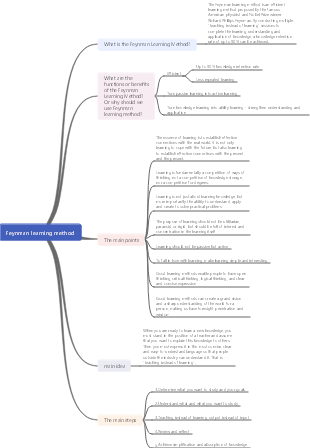
The Feynman learning method is inspired by Nobel Prize winner Richard Feynman. Using Feynman techniques, you can deeply understand knowledge points in just 20 minutes, and you will remember them deeply and be difficult to forget. . There are two types of knowledge, and most of us focus on the wrong kind. The first type of knowledge focuses on knowing the name of something. The second type of knowledge focuses on understanding something. This is not the same thing. The famous Nobel physicist Richard Feynman was able to understand the difference between the two, which was one of the most important reasons for his success. In fact, he created a learning method that ensured he would understand things better than anyone else.
Edited at 2022-08-14 16:14:43Mappa mentale per l’analisi del controllo della gestione del portata di progetto. Tre sezioni principali: 1. WBS Scope Breakdown – scomposizione gerarchica del lavoro con dettaglio dello Scopo del progetto. 2. Scope Boundary / Exclusions – definizione chiara dei confini del progetto e di ciò che è escluso per evitare scope creep. Strumento ideale per project manager e team di controllo per mantenere allineamento e ridurre rischi.

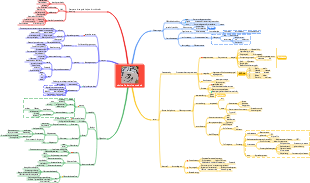
Questo template, ideato con EdrawMind, è un modello completo per il miglioramento continuo del sistema di gestione della qualità, con una descrizione di circa 500 parole. È strutturato come un diagramma a lisca di pesce, strumento efficace per analizzare le cause principali dei problemi di qualità e definire le leve di controllo necessarie per risolverli. Il processo è organizzato in quattro fasi chiave: la prima è lo standard e la pianificazione, dove si definiscono gli obiettivi di qualità, i criteri di accettazione, i requisiti di prova e le porte di qualità (Quality Gate). La seconda fase analizza i processi e le porte di controllo, per garantire che ogni passaggio del lavoro segua i standard stabiliti. La terza fase riguarda l’esecuzione QA/QC, con la definizione di metodi di prova e ispezione, nonché regole per la gestione dei difetti e delle non conformità. L’ultima fase è il miglioramento e le azioni correttive e preventive (CAPA), insieme a una catena di audit per monitorare l’efficacia delle misure adottate. In basso, una tabella "Quality Gate" permette di tracciare ogni punto di controllo, con criteri specifici, metodi di prova, proprietario e stato di avanzamento. Grazie alla visualizzazione chiara e intuitiva di EdrawMind, questo strumento aiuta il team a identificare le cause root dei problemi di qualità, implementare azioni efficaci e mantenere un ciclo di miglioramento continuo, garantendo la qualità finale del prodotto o servizio.
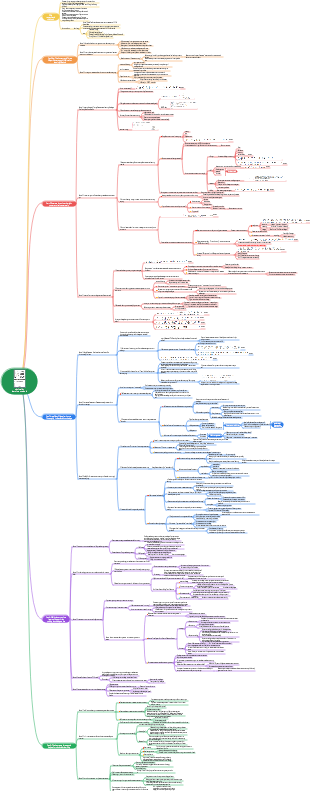
Questo template, creato con EdrawMind, è un modello di piano di comunicazione ottimizzato, con una descrizione di circa 500 parole. È uno strumento chiave per evitare incomprensioni tra stakeholder, garantire la trasparenza e mantenere il team allineato agli obiettivi del progetto. Il modello è composto da tre elementi fondamentali e interconnessi: la matrice di comunicazione, la cadenza timeline e le regole di comunicazione/SLA. La matrice di comunicazione è una tabella dettagliata dove per ogni pubblico o stakeholder, si definisce il tipo di informazioni da condividere, lo scopo della comunicazione, il canale da utilizzare (email, riunioni, piattaforme di progetto), la frequenza, il proprietario responsabile, il formato e il percorso di escalazione in caso di problemi. La cadenza timeline è una linea temporale che definisce le scadenze delle comunicazioni chiave, garantendo che le informazioni siano condivise in momento opportuno e non si verifichino ritardi o omissioni. Le regole di comunicazione e gli accordi sul livello di servizio (SLA) definiscono le norme formali della comunicazione, come i tempi di risposta, il tono da adottare e le responsabilità di ciascun membro del team. Grazie alla struttura visuale di EdrawMind, questo template permette di pianificare la comunicazione in modo strategico, trasparente e efficiente, riducendo i rischi di cattiva informazione, migliorando la collaborazione e garantendo che tutti gli stakeholder siano informati e coinvolti nel progetto.
Mappa mentale per l’analisi del controllo della gestione del portata di progetto. Tre sezioni principali: 1. WBS Scope Breakdown – scomposizione gerarchica del lavoro con dettaglio dello Scopo del progetto. 2. Scope Boundary / Exclusions – definizione chiara dei confini del progetto e di ciò che è escluso per evitare scope creep. Strumento ideale per project manager e team di controllo per mantenere allineamento e ridurre rischi.
Questo template, ideato con EdrawMind, è un modello completo per il miglioramento continuo del sistema di gestione della qualità, con una descrizione di circa 500 parole. È strutturato come un diagramma a lisca di pesce, strumento efficace per analizzare le cause principali dei problemi di qualità e definire le leve di controllo necessarie per risolverli. Il processo è organizzato in quattro fasi chiave: la prima è lo standard e la pianificazione, dove si definiscono gli obiettivi di qualità, i criteri di accettazione, i requisiti di prova e le porte di qualità (Quality Gate). La seconda fase analizza i processi e le porte di controllo, per garantire che ogni passaggio del lavoro segua i standard stabiliti. La terza fase riguarda l’esecuzione QA/QC, con la definizione di metodi di prova e ispezione, nonché regole per la gestione dei difetti e delle non conformità. L’ultima fase è il miglioramento e le azioni correttive e preventive (CAPA), insieme a una catena di audit per monitorare l’efficacia delle misure adottate. In basso, una tabella "Quality Gate" permette di tracciare ogni punto di controllo, con criteri specifici, metodi di prova, proprietario e stato di avanzamento. Grazie alla visualizzazione chiara e intuitiva di EdrawMind, questo strumento aiuta il team a identificare le cause root dei problemi di qualità, implementare azioni efficaci e mantenere un ciclo di miglioramento continuo, garantendo la qualità finale del prodotto o servizio.
Questo template, creato con EdrawMind, è un modello di piano di comunicazione ottimizzato, con una descrizione di circa 500 parole. È uno strumento chiave per evitare incomprensioni tra stakeholder, garantire la trasparenza e mantenere il team allineato agli obiettivi del progetto. Il modello è composto da tre elementi fondamentali e interconnessi: la matrice di comunicazione, la cadenza timeline e le regole di comunicazione/SLA. La matrice di comunicazione è una tabella dettagliata dove per ogni pubblico o stakeholder, si definisce il tipo di informazioni da condividere, lo scopo della comunicazione, il canale da utilizzare (email, riunioni, piattaforme di progetto), la frequenza, il proprietario responsabile, il formato e il percorso di escalazione in caso di problemi. La cadenza timeline è una linea temporale che definisce le scadenze delle comunicazioni chiave, garantendo che le informazioni siano condivise in momento opportuno e non si verifichino ritardi o omissioni. Le regole di comunicazione e gli accordi sul livello di servizio (SLA) definiscono le norme formali della comunicazione, come i tempi di risposta, il tono da adottare e le responsabilità di ciascun membro del team. Grazie alla struttura visuale di EdrawMind, questo template permette di pianificare la comunicazione in modo strategico, trasparente e efficiente, riducendo i rischi di cattiva informazione, migliorando la collaborazione e garantendo che tutti gli stakeholder siano informati e coinvolti nel progetto.
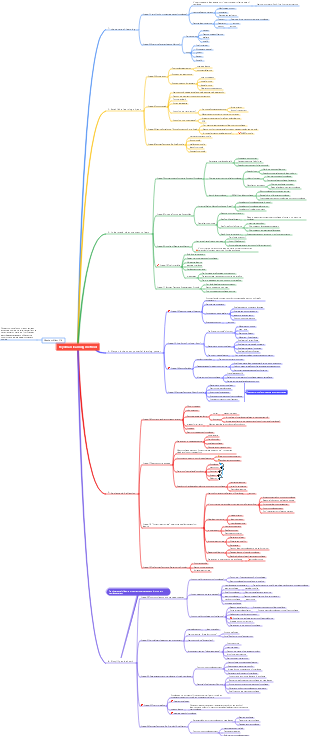
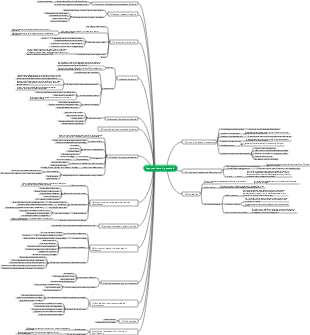
Feynman learning method
the nature of learning
Establish effective connections with the real world and focus on integrating knowledge with real-life scenarios
Foresight
By interpreting the information conveyed to us by knowledge, we can judge future trends instead of just memorizing this information.
Penetration
Through Feynman analysis skills, you can see the essence of things clearly from fragmented knowledge, quickly solve problems, and grasp the laws of things.
wisdom
By condensing and re-enacting knowledge in the form of output, absorbing the essence, making the knowledge available to me, matching it with the environment, and forming my own knowledge system.
Learning is fundamentally a competition of ways of thinking, not a competition of knowledge storage, nor a competition for degrees.
Feynman learning method
Establish goals; understand goals; output; review; simplify.
Good thinking requires positive feedback
Output accelerates the maturity of thinking
Matthew Effect: Once any individual, group or region achieves success and progress in a certain aspect (such as money, reputation, status, etc.), it will generate an accumulated advantage and have more opportunities to achieve greater success. and progress.
Feynman learning method makes thinking quantifiable
Establish a learning object
How to find the right direction
Ask yourself some key questions
What is the most important thing to me?
Make “the most important thing” your own direction
Planning: Establishing “strong connections” with goals
First, demonstrate the necessity of learning this knowledge/doing this thing.
Do I really need it?
Is it worth investing time and money into?
Do I need to think about it again?
Second, confirm the substantial connection between the plan and the goal.
How well does my study plan match my goals?
Is this plan feasible for me?
Is there a more time-saving and efficient way?
Two criteria for learning comfort zones
First, a correct and suitable learning direction that conforms to your own interests.
Second, a reasonable goal that is within your own abilities. It fits its own capabilities.
Five Principles of Learning Objectives
comprehensiveness of goals
Overall and overall concepts, matching your experience, experience and past knowledge accumulation
The principle of focus of goals
The goals set must be focused.
Develop a key goal and use limited energy on the most critical knowledge points.
The goals set must also be targeted.
For one of your own deficiencies, learning can hit the mark.
The challenge principle of goals
The goals you set should be challenging.
Challenging goals can stimulate our thirst for knowledge and enhance our motivation to learn.
The goals you set should be able to tap and stimulate your potential.
In the process of learning, train your own innovation ability and take your understanding of knowledge and the world to a higher level.
The goals set cannot be lowered in difficulty during the learning process.
Don't let your goals fall within easy reach, and don't give in to setbacks easily.
Goal feasibility principle
The goals set must be realistic and achievable.
It should be challenging but not beyond our capabilities.
The goals set must be consistent with our objective reality.
Only by allowing us to be confident and not take it lightly can we stimulate our potential.
The principle of target adjustability
As the environment and internal and external conditions change, we can make necessary adjustments to the learning goals and adapt to the changes.
Understand what we want to learn
Systematize knowledge logically
Understand why you study
Have a wide enough field of view
Establish the most objective and scientific logic possible
Filter and retain the most reliable knowledge
Identify “fake knowledge”
Block knowledge from uncertain sources
Be careful with differentiated knowledge
Use comparative methods to select and distinguish knowledge
Form a thinking and process map
Horizontal expansion: “visualizing” knowledge
Visualization of knowledge scenes
Visualization of knowledge relationships
Visualization of the learning process
Draw a “learning process”
Step one: short-term memory
Create a focus, or point a direction
Step Two: Mental Imagery
Visualize knowledge and express it visually
First, concise language expression, the text is easy to understand
Second, written expressions can be visualized
Step Three: Double Encoding
One is based on literal language (word language) and the other is based on representational language (image meaning).
Step 4: Long-term memory
Principles of Reading and Memory
Establish your own thinking framework
Get useful information quickly
Learn how to identify and analyze problems
first retelling
Repeating it can help you
Build long-term memory
Deepen your understanding of knowledge
Learn more actively
associate knowledge
Get feedback on an issue
Three stages of retelling
The first stage: retelling based on impressions
Describe the content that you remember most clearly and describe the parts that impressed you most.
The second stage: raising questions during the retelling
Consciously combine them with the knowledge you already know in the past, compare, doubt, analyze, and see if you can use your own logic to integrate them well.
The third stage: add your own opinions in the retelling
Add your own opinions to connect new knowledge with your existing knowledge system
Feynman Technique: Systematization Principle
Horizontal, divergent and convergent are three tools in systems thinking
First, level: classification and comparison
Look at the same thing from multiple aspects, that is, set up different or even completely opposite perspectives to analyze knowledge.
Second, divergence: mind map
Diffuse knowledge, associate it and analyze their relationships, establish connections between knowledge and knowledge, especially let them relate to different knowledge, and see what new things emerge.
Third, convergence: knowledge structure
Gather the scattered knowledge points and information you have learned, structure and systematize the knowledge, and simplify the knowledge you have learned.
Output is the most powerful learning power
Concise and in-depth analysis
First, the language is concise and easy to understand
Second, it is precise and without ambiguity.
Third, speak with a certain depth
Fourth, add your own understanding
second retelling
The first retelling is to think of yourself as the listener
The second retelling is to enter a real scene of imparting knowledge and explain your views on a certain piece of knowledge to others or even multiple people.
Feynman Technique: Output Principle
Scenario and thought simulation
Easy to understand language
Simplicity yet depth
Strengthen understanding of key knowledge
Use breakout sessions to get feedback
Review and Reflection
Re-compare data and facts
First, recheck the knowledge base
Second, re-verify the association of knowledge
Looking for counter-evidence
Reflection
First, reflection can help us discover misunderstandings in knowledge itself
Second, reflection can help us generate new knowledge based on existing knowledge.
Pay attention to negative evidence
First, contrary data
Second, logical loopholes
Third, outdated knowledge
Fourth, opposing authoritative views
Content retention rate
study method
First, clarify the direction of learning
career direction
Learning Content
knowledge attribute
conceptual knowledge
factual knowledge
procedural knowledge
principle knowledge
Second, when did you learn
know and understand
Ability to correctly understand the meaning of knowledge
Retell and convey
Can repeat it correctly and tell it to others
Practice and innovation
Ability to transform knowledge into action and then create new knowledge
Third, improve content retention rate
Review and re-learn
Re-learn knowledge through practical practice and innovation, and through necessary review and reflection
Organize and simplify
Organize knowledge and simplify it in a way that you like and are familiar with, which is convenient for memory and application
Systematize
Integrate learned knowledge into your own knowledge system or generate a new knowledge system
Repeat "useful learning"
First, focus on learning knowledge that has the ability to grow
Second, targeted learning of modular knowledge
Third, resolutely refuse to learn fragmented knowledge
Pay attention to what is behind the knowledge
First, the principles of knowledge are more valuable to us than the knowledge itself
Second, exploring the things behind knowledge is also a very important thinking training process.
Third, it can simplify the knowledge system, make learning simple and direct, and save valuable time.
Fourth, mastering the principles of knowledge can help us establish a basic concept of the field we study
Fifth, the above four points are very helpful for our application practice after learning.
Feynman Technique: Review Principles
The first step is to doubt and explore
Ensure data and facts are accurate, precise and scientifically compiled
Maintain a strong curiosity about the unknown and doubt all conclusions, even if it is an authoritative conclusion
Explore the nature of knowledge and the issues behind it, rather than just memorizing the content of knowledge
The second step is to find counter-evidence
Negative evidence plays an extremely important role and cannot be ignored.
Collect information from multiple sources on weak links, enhance understanding from multiple angles, and put forward your own opinions.
Pay attention to controversial opinions and obtain knowledge points that are more precious than gold from confusing controversies.
The third step is to increase the “content retention rate”
Pursue the effectiveness of learning rather than the quantity of knowledge
Focus on useful learning, that is, repeatedly understanding "useful knowledge"
To increase content retention, we need to have “principle thinking”
Simplify and absorb
Key points to simplify knowledge
First, turn on the “importance switch” of knowledge
Second, return knowledge from complexity to simplicity
Principles of simplifying knowledge in “online learning”
First, based on actual results
Second, for the purpose of practical application
Third, pay attention to content that can promote association
Fourth, avoid learning duplicate content on different platforms
Fifth, combine it with our current work
Sixth, pay attention to the growth of knowledge
Online learning from the perspective of "Feynman Learning Method"
Learn knowledge with an active and exploratory attitude
Focus on self-needs and seek knowledge in a planned way
The purpose of learning is to improve problem-solving abilities
When exporting knowledge, network sharing and discussion are the main features
Simplify knowledge with practical application as the main form of expression
Vertical expansion and refinement
First, vertical expansion
Second, learning requires “green light thinking.” Anything is allowed
Third, learning should be done "slowly". Focus on a learning object, learn it thoroughly and master it, and deeply understand its core knowledge
Fourth, improvement requires “deliberate practice.” Enhance our "cognitive horizons" and expand the "cognitive depth" of knowledge.
First, focus on studying the nature of the problem
Second, a lot of continuous practice
Third, start with what you are interested in
Dig deeply to internalize knowledge
Form your own knowledge system
Extending and strengthening skills
forward-looking understanding of knowledge
Systematic reinforcement of knowledge
Feynman's important advice
First, use notes to record the core elements of knowledge
Second, we must greatly organize the knowledge we have learned
Third, conduct structured induction and understanding of knowledge
Fourth, output and publish the knowledge you understand
Fifth, simplify, absorb and memorize knowledge
Feynman Technique: The Principle of Simplification
Simplification Principle 1: Systematically dig into the knowledge you have learned
Required knowledge
Target important knowledge
Targeted at core knowledge
Simplification Principle 2: Form your own knowledge system
become an expert in a field
Focused and targeted
Build your own knowledge system
Learning is not just for memorizing something, but for us to establish our own effective thinking framework through learning, and apply knowledge into practice to solve practical problems in life and work.
SMART principle
S: (Specific) clear and specific. - Goals must be clear and describable.
M: (Measurable) measurable/quantifiable. - Objectives must be quantifiable and evaluable.
A: (Achievable) Achievable by one’s own abilities. - Goals must be within capabilities.
R: (Rewarding) can produce a sense of satisfaction/achievement. ——The goal must have a positive meaning.
T: (Time-bound) Time-limited. ——Goals must have a deadline to be achieved.
Smart learners are good at questioning and introspecting, while stupid learners like to move themselves and stick to a wrong goal to the end.